
Global Stock Indexes Decline Amid Tech Sell-Off and Uncertain Rate Outlook
 Aime Summary
Major stock indexes around the world declined in early November 2025 as investors continued to unwind their positions in overvalued technology stocks. The selloff was exacerbated by a U.S. jobs report that failed to provide clarity on the Federal Reserve’s interest rate path. The lack of definitive signals from the labor market report left investors in a holding pattern, amplifying the bearish sentiment already present in equity markets.
, , . Asian and European markets extended the global decline, with Wall Street futures also pointing to a weak open. The selling pressure was particularly concentrated in the technology sector, where inflated valuations and ongoing concerns over the monetization of artificial intelligence-driven growth have increasingly come under scrutiny.
Bitcoin also experienced a sharp decline, reaching a seven-month low. This drop in the cryptocurrency’s price further pulled back leveraged investors who had previously fueled demand for high-flying tech stocks. The link between digital assets and equity valuations has grown stronger in recent months, with movements in one often influencing the other.
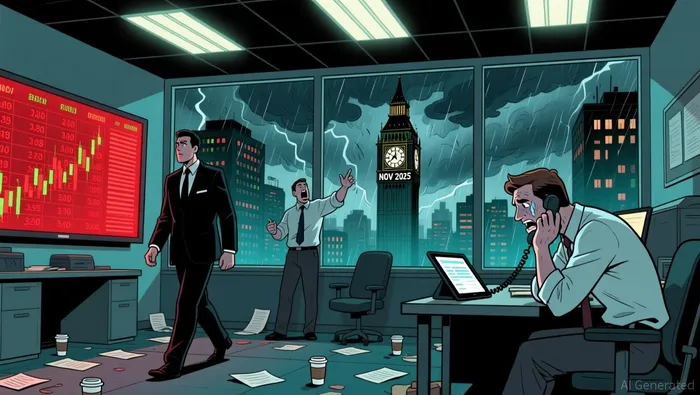
The U.S. , but the increase in the unemployment rate and downward revisions to prior months’ data painted an unclear picture of the labor market’s strength. This ambiguity left the door open for either a continuation of high interest rates or a potential rate cut in the coming months. However, the lack of clear signals from the data led to a broader retreat from risk assets, especially among investors with a short-term time horizon.
Several analysts pointed to liquidity-driven factors as potential contributors to the selloff. One noted that the decline appeared to be futures-led, driven by algorithmic and risk control funds at the close of trading. The thinning liquidity environment as the year-end approached made the markets more susceptible to sharp swings, with even routine end-of-day activity having a pronounced effect.
The selloff was not limited to equities. In currency markets, the U.S. dollar rose sharply against risk-sensitive currencies like the Australian and New Zealand dollars. Meanwhile, in the bond market, gained as investors increased their bets for a Fed rate cut in December. However, the shift in expectations remained moderate, , but still far from a consensus.
Defensive sectors, such as healthcare, outperformed in the broader market downturn. Investors rotated into these areas as they sought protection from the volatility. The sharp decline in tech stocks also raised questions about the sustainability of AI-driven revenue models beyond a few leading firms like Nvidia, whose recent earnings results, while strong, did not quell broader concerns about the sector’s valuation.
The market’s reaction to the jobs data and the lack of follow-through from Nvidia’s earnings highlighted a growing skepticism about the ability of the broader technology sector to deliver on the high multiples it has commanded. As the December approaches, the focus remains on whether a rate cut will occur and how quickly it may be followed by additional easing measures.

Stay ahead of the market.
Get curated U.S. market news, insights and key dates delivered to your inbox.


AInvest
PRO
AInvest
PRO



Comments
No comments yet