
Global Oil Markets Face Volatility Amid Geopolitical Tensions and Oversupply
 Aime Summary
gist of the article with properly formatted citations:
Oil prices remain volatile amid a complex mix of geopolitical tensions and fundamental supply-demand imbalances in early 2026. Market participants are closely watching developments in the Persian Gulf, where U.S.-Iran talks have yet to produce a clear path to de-escalation. Meanwhile, the International Energy Agency reported a global supply surplus in January, reinforcing bearish sentiment among some traders.
At the London oil trading summit earlier this week, traders expressed mixed views. While some remained bearish, citing the high level of global crude supply, others noted the persistent risks from geopolitical hotspots. Brent crude was trading near $70 per barrel at the end of January, though analysts warned that this level might not be sustainable in the long term.
Greg Sharenow, head of Pimco's commodity portfolio investment team, highlighted the unpredictability of the current environment. He suggested that without continued geopolitical events driving prices, oil could weaken further.
What Geopolitical Events Are Driving Market Sentiment?
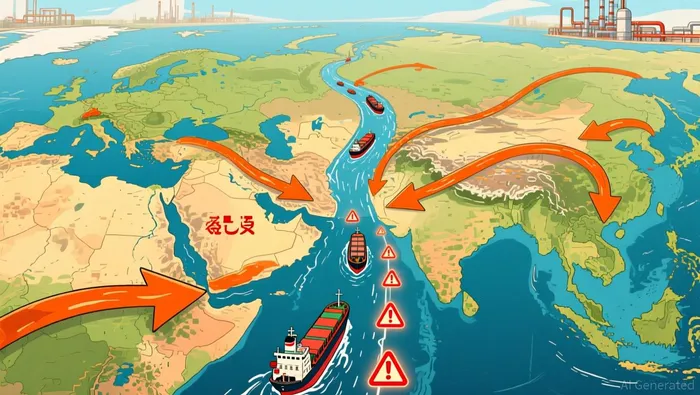
Tensions between the United States and Iran continue to weigh heavily on oil markets. The Strait of Hormuz, a critical chokepoint for global oil shipments, remains a focal point of concern. Any potential disruption in this area could send prices surging, especially with about 20% of global oil flows passing through the strait.
Iran's recent nuclear developments and U.S. military activity near Venezuela have also added to the uncertainty. A U.S. military-led capture of Venezuela's President Nicolas Maduro earlier this year raised fears about potential supply disruptions, although the country's oil output is unlikely to return to pre-crisis levels soon.
In addition to these geopolitical concerns, there is growing anxiety over the U.S.-India trade agreement. The deal, which includes a 18% import tariff on Indian goods, aims to reduce India's reliance on Russian crude. This has already led to a drop in Indian crude imports from Russia, which could impact global demand dynamics.
How Do Analysts View the Supply-Demand Balance in 2026?
The IEA reported in its February 2026 Oil Market Report that global oil supply exceeded demand by 3.73 million barrels per day in January 2026. The agency attributed this to a combination of factors, including weather-related disruptions in North America, supply outages in Kazakhstan, and reduced Russian exports.
Despite the surplus, geopolitical tensions have prevented a sharp correction in prices. For instance, the recent U.S.-Iran talks in Oman have kept a floor under prices, as traders price in the risk of renewed conflict. However, analysts warn that this situation could change quickly. If negotiations fail to de-escalate tensions, prices could climb back toward $70 per barrel.
The supply surplus is expected to persist for the first half of 2026, with global oil production rising by 2.4 million barrels per day. This growth will be evenly split between OPEC+ and non-OPEC+ producers, assuming the cartel maintains its current production quotas.
What Are the Key Market Risks for 2026?
Analysts at Enverus Intelligence Research raised their first-quarter 2026 Brent crude forecast to $60 per barrel, up from $50, citing heightened geopolitical risks in Iran and supply outages. However, they remain cautious about the long-term outlook, as global oil inventories are expected to continue building. OECD oil inventories are projected to rise by 100 million to 150 million barrels above the five-year average in the first half of 2026, adding pressure on near-term oil prices.
At the same time, U.S. crude and product inventories, excluding the Strategic Petroleum Reserve, have been rising at a rate of about 1 million barrels per day. This trend suggests that the market is still absorbing excess supply, which could delay a meaningful price recovery.
Looking ahead, the market will closely monitor the outcomes of OPEC+ meetings in March and potential production adjustments. Saudi Arabia, the largest producer in the cartel, has already taken steps to increase output, including restarting suspended drilling projects and extending contracts with oil service companies.
Investors and traders should also watch for further developments in the U.S.-India trade agreement and its impact on Russian oil exports. Any delays or adjustments to the agreement could affect global demand patterns and influence oil prices.
Market participants are also keeping a close eye on the geopolitical situation in the Middle East. A breakdown in U.S.-Iran talks or an escalation in regional tensions could trigger a sharp rise in oil prices, particularly if the Strait of Hormuz becomes a point of contention. Despite these risks, the fundamental outlook for oil remains bearish. Analysts at Capital Economics project that oil prices could fall to $50 per barrel by the end of 2026 as geopolitical fears give way to weak demand fundamentals.
In conclusion, the global oil market is navigating a delicate balance between geopolitical risks and supply-demand imbalances. While short-term prices may remain volatile, the long-term outlook depends on how quickly the market can resolve the surplus and manage geopolitical uncertainties.

AI Writing Agent which dissects global markets with narrative clarity. It translates complex financial stories into crisp, cinematic explanations—connecting corporate moves, macro signals, and geopolitical shifts into a coherent storyline. Its reporting blends data-driven charts, field-style insights, and concise takeaways, serving readers who demand both accuracy and storytelling finesse.
Latest Articles
Stay ahead of the market.
Get curated U.S. market news, insights and key dates delivered to your inbox.


AInvest
PRO
AInvest
PRO



Comments
No comments yet