
Global Markets Reel as US Tariff Shockwaves Ignite Economic Unrest
In recent days, global financial markets have endured a significant upheaval, driven by a pivotal 18-hour span that reshaped global dynamics. The catalyst for this market shock was the U.S.'s implementation of "reciprocal tariffs," effective as of April 2. This move entailed a minimum 10% tariff on all trade partners, with some reaching as high as 49%, sparking widespread concern over supply chain disruptions and soaring inflation.
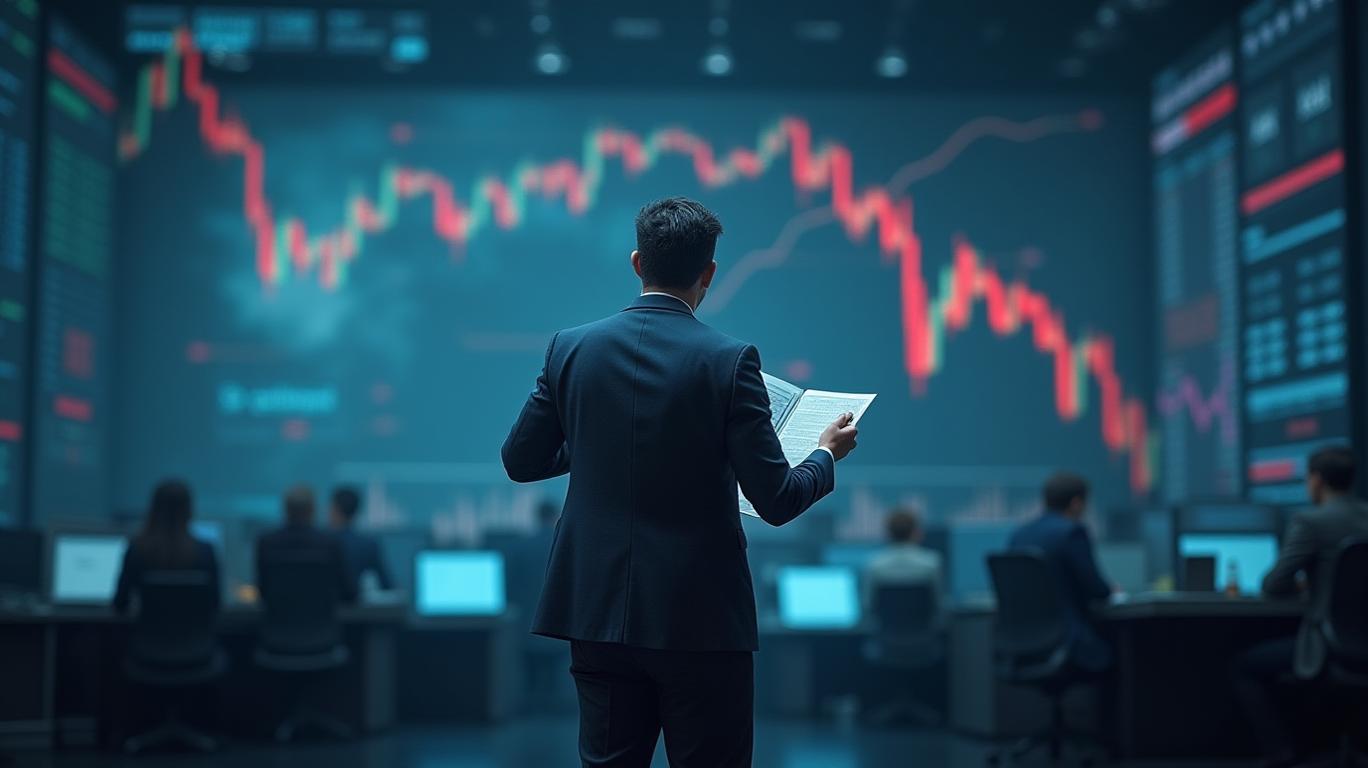
Starting with a "Black Monday" scenario on April 7, markets reacted strongly. U.S. equities saw futures plummet, with NASDAQ and S&P 500 futures diving over 5% and 4%, respectively. European indices mirrored this decline, and Asia's markets were no exception; indexes like Japan's Nikkei 225 halted trading after hitting their lower limits. Energy and precious metals markets suffered considerable losses alongside these declines, with WTI crudeWTI-- falling beneath $60 per barrel, marking the lowest point since April 2021.
The shockwave extended to digital currencies, where Bitcoin and Ethereum fell 5% and 10%, respectively. Even the Middle East, represented by Saudi Arabia's major indices, witnessed dramatic drops, with some stocks—as in the case of market heavyweight Saudi Aramco—losing considerable market value. The market's response was fueled by predictions of a potential 120 basis-point interest rate cut by the Fed, illustrating pervasive fears of a looming economic downturn.
The tariffs provoked immediate international reactions. Canada's Prime Minister and EU officials expressed severe disapproval, planning retaliatory measures which further fueled global trade tensions. These diplomatic escalations only added to the already volatile financial landscape, painting a picture of increased global economic uncertainty.
Amid these economic tremors, widespread public protest emerged against the policies. Notably, the U.S. witnessed extensive demonstrations involving millions, underlining the dramatic rise in public disapproval. Other Western capitals, from London to Berlin, saw similar outpourings of dissent, amplifying the political pressure against current trade strategies.
International bodies like the WTO and IMF have issued stern warnings regarding the long-term global impacts of the U.S.'s protectionist stance, predicting heightened risks and recession probabilities. The swift and impactful series of events reinforced the vulnerability of globally interwoven markets to sudden geopolitical maneuvers, illustrating the pressing need for strategic dialogue and cooperation.

Stay ahead of the market.
Get curated U.S. market news, insights and key dates delivered to your inbox.


AInvest
PRO
AInvest
PRO



Comments
No comments yet