
Global Market Cap Hits $4T as Crypto Struggles to Decouple From Bitcoin
 Aime Summary
- Global digital assets markets remain anchored to Bitcoin's performance, with sector-wide correlations between BTCBTC-- and other tokens ranging from +0.7 to +0.82 according to research.
- U.S. stocks are outperforming crypto in early 2026 due to macroeconomic stability, political narratives, and broader sector participation, while crypto faces consolidation and weak price momentum as reported.
- Recent BitcoinBTC-- price declines are attributed to leveraged trader deleveraging and ETF outflows, not an outright bear market, raising concerns among retail investors according to analysis.
The digital asset sector is navigating a period of structural underperformance, with Bitcoin's price trajectory heavily influencing the broader crypto market. Despite favorable macroeconomic conditions, including a weakening U.S. dollar and rising precious metal prices, cryptocurrencies have failed to capitalize on these tailwinds according to research. Instead, the market remains tethered to Bitcoin's direction, with altcoin prices exhibiting high correlations that limit diversification opportunities for investors.
Meanwhile, U.S. equities continue to attract capital, driven by political narratives and policy stability. This has led to a divergence in market performance, with stocks showing stronger price resilience and broader participation than digital assets as analysis shows. Analysts note that the crypto Fear & Greed Index remains at extreme fear levels, reinforcing a risk-off sentiment among investors according to reports.
The recent Bitcoin price correction is being driven by leveraged positions unwinding and ETF outflows rather than macroeconomic weakness. This has led to increased volatility, particularly for retail traders, who lack the tools to manage leveraged exposure effectively according to analysis. While the selloff is not indicative of a bear market, it has intensified short-term uncertainty in the sector.
Why Is the Sector Struggling to Decouple From Bitcoin?
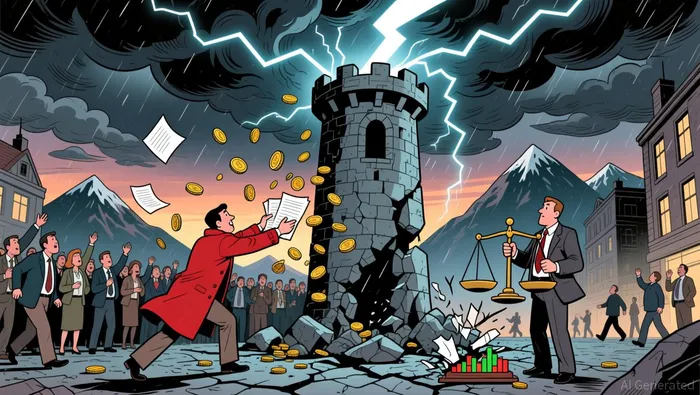
The digital asset market has long been dominated by Bitcoin's performance. With correlations between BTC and altcoins ranging from +0.7 to +0.82, price movements in Bitcoin largely dictate the direction of the broader sector according to research. Analysts suggest that this dependence is a structural issue, as many altcoins lack the distinct use cases or user adoption needed to justify independent price action according to research.
Factors such as stagnant user network growth, high transaction costs, and slow blockchain speeds are limiting Bitcoin's appeal, despite its scarcity-based value proposition according to research. As a result, the sector remains in a phase of consolidation, with traders and investors adopting a cautious stance.
What Risks Are Embedded in the Current Market Dynamics?
The recent leveraged trading activity and ETF outflows highlight the fragility of the current market structure. Leveraged positions can create a self-reinforcing cycle of selling, especially when traders are forced to liquidate positions to cover margin calls according to analysis. This dynamic increases volatility for retail investors, who are often less equipped to manage such risks according to analysis.
Additionally, the sector's underperformance relative to equities and other asset classes raises questions about its role as a hedge or risk-on trade. With the crypto Fear & Greed Index at extreme fear levels, the sector is increasingly being viewed as a pro-risk asset rather than a defensive play according to reports. This shift in sentiment could prolong the current consolidation phase unless alternative tokens with clearer use cases gain traction according to research.

Blending traditional trading wisdom with cutting-edge cryptocurrency insights.
Latest Articles
Stay ahead of the market.
Get curated U.S. market news, insights and key dates delivered to your inbox.


AInvest
PRO
AInvest
PRO



Comments
No comments yet