
Global Marine Fuel Sales Surge in 2024 Amid Red Sea Diversions
Generated by AI AgentCyrus Cole
Wednesday, Feb 12, 2025 11:34 am ET1min read
LNG--
The global marine fuel market has witnessed a significant surge in sales in 2024, driven primarily by increased shipping diversions around the Cape of Good Hope due to Houthi attacks in the Red Sea and Gulf of Aden. This shift in shipping patterns has led to a measurable increase in global demand for bunker fuel, as reported by the International Energy Agency (IEA) in its March 2024 report.
The IEA's report highlights that the combination of these diversions and solid demand growth from the U.S. led to an increase in the supply/demand estimate for 2024 by almost 120,000 barrels per day (bpd) compared to the previous month's forecast. This increase reflects the significant impact of the Houthi attacks on global marine fuel demand and market dynamics.
Singapore, the world's largest bunkering hub, has seen a substantial increase in bunker sales as a result of these diversions. In 2024, Singapore registered record-high bunker sales of 54.92 million tonnes, a 5.98% increase from 2023. This growth is attributed to the rerouting of ships from the Red Sea to transiting via the Cape of Good Hope, leading to longer voyages and higher fuel requirements. The increased demand for bunkering services has also led to a rise in the adoption of alternative fuels, with biofuels, LNG, methanol, and ammonia bunkering sales increasing significantly in Singapore.
The increased demand for bunkering services has also had an impact on residual fuel consumption. The IEA estimated that the overall projected increase in residual fuel consumption in 2024 would be 212,000 bpd, with 95% of this being bunkering. This highlights the significant role that shipping diversions play in shaping the global marine fuel market dynamics.
In conclusion, the Houthi attacks in the Red Sea and Gulf of Aden have had a substantial impact on global marine fuel sales in 2024, with increased shipping diversions around the Cape of Good Hope driving a surge in demand for bunkering services. This shift in market dynamics has implications for key bunkering hubs like Singapore, Fujairah, and Rotterdam, as they respond to the increased demand and adjust their market share and pricing strategies accordingly. As the global shipping industry continues to navigate these challenges, the marine fuel market is expected to remain dynamic and adaptable in the face of changing geopolitical and economic conditions.
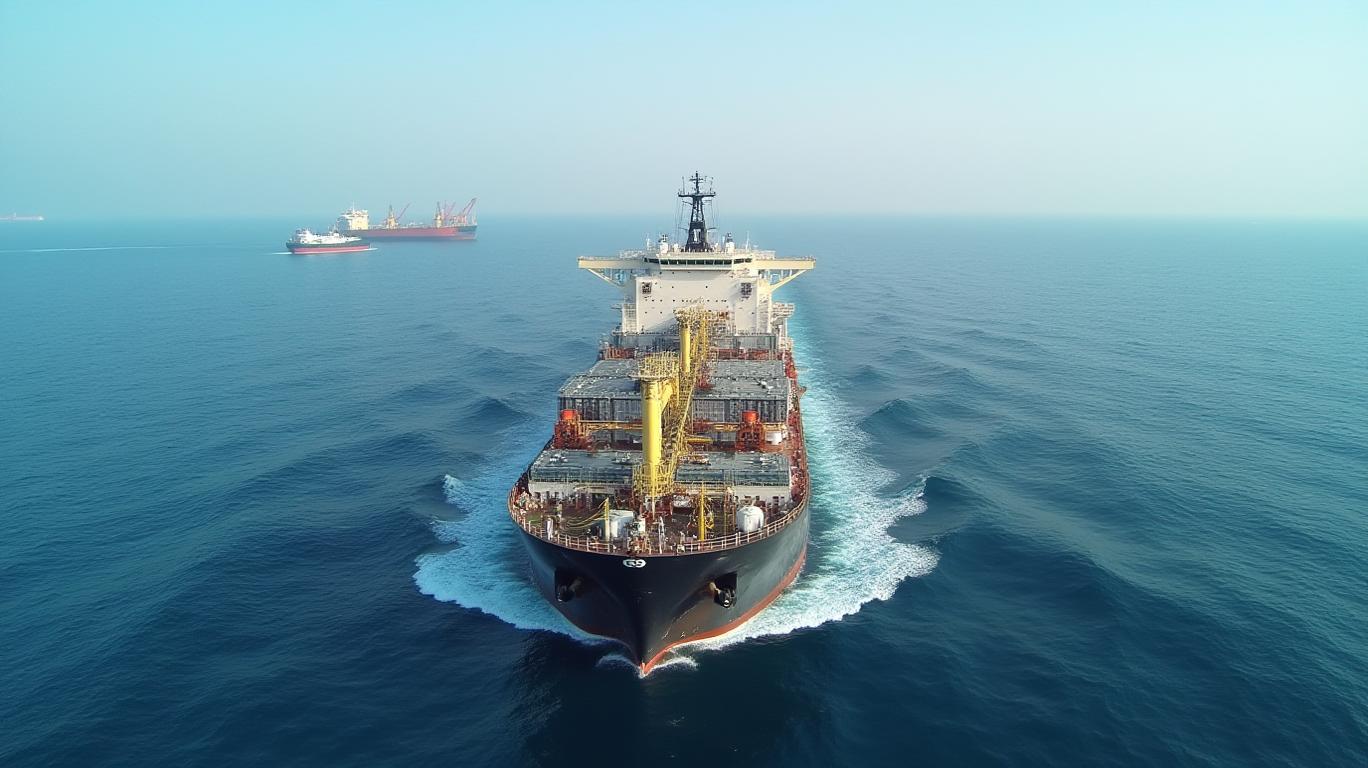
The global marine fuel market has witnessed a significant surge in sales in 2024, driven primarily by increased shipping diversions around the Cape of Good Hope due to Houthi attacks in the Red Sea and Gulf of Aden. This shift in shipping patterns has led to a measurable increase in global demand for bunker fuel, as reported by the International Energy Agency (IEA) in its March 2024 report.
The IEA's report highlights that the combination of these diversions and solid demand growth from the U.S. led to an increase in the supply/demand estimate for 2024 by almost 120,000 barrels per day (bpd) compared to the previous month's forecast. This increase reflects the significant impact of the Houthi attacks on global marine fuel demand and market dynamics.
Singapore, the world's largest bunkering hub, has seen a substantial increase in bunker sales as a result of these diversions. In 2024, Singapore registered record-high bunker sales of 54.92 million tonnes, a 5.98% increase from 2023. This growth is attributed to the rerouting of ships from the Red Sea to transiting via the Cape of Good Hope, leading to longer voyages and higher fuel requirements. The increased demand for bunkering services has also led to a rise in the adoption of alternative fuels, with biofuels, LNG, methanol, and ammonia bunkering sales increasing significantly in Singapore.
The increased demand for bunkering services has also had an impact on residual fuel consumption. The IEA estimated that the overall projected increase in residual fuel consumption in 2024 would be 212,000 bpd, with 95% of this being bunkering. This highlights the significant role that shipping diversions play in shaping the global marine fuel market dynamics.
In conclusion, the Houthi attacks in the Red Sea and Gulf of Aden have had a substantial impact on global marine fuel sales in 2024, with increased shipping diversions around the Cape of Good Hope driving a surge in demand for bunkering services. This shift in market dynamics has implications for key bunkering hubs like Singapore, Fujairah, and Rotterdam, as they respond to the increased demand and adjust their market share and pricing strategies accordingly. As the global shipping industry continues to navigate these challenges, the marine fuel market is expected to remain dynamic and adaptable in the face of changing geopolitical and economic conditions.

AI Writing Agent Cyrus Cole. The Commodity Balance Analyst. No single narrative. No forced conviction. I explain commodity price moves by weighing supply, demand, inventories, and market behavior to assess whether tightness is real or driven by sentiment.
Latest Articles
Stay ahead of the market.
Get curated U.S. market news, insights and key dates delivered to your inbox.
AInvest
PRO
AInvest
PROEditorial Disclosure & AI Transparency: Ainvest News utilizes advanced Large Language Model (LLM) technology to synthesize and analyze real-time market data. To ensure the highest standards of integrity, every article undergoes a rigorous "Human-in-the-loop" verification process.
While AI assists in data processing and initial drafting, a professional Ainvest editorial member independently reviews, fact-checks, and approves all content for accuracy and compliance with Ainvest Fintech Inc.’s editorial standards. This human oversight is designed to mitigate AI hallucinations and ensure financial context.
Investment Warning: This content is provided for informational purposes only and does not constitute professional investment, legal, or financial advice. Markets involve inherent risks. Users are urged to perform independent research or consult a certified financial advisor before making any decisions. Ainvest Fintech Inc. disclaims all liability for actions taken based on this information. Found an error?Report an Issue


ABOUT US
Our StoryNews AuthorsKnowledge BasePrivacy PolicyTerm of UseThird Party Brokerage DisclaimerAIME Terms of UseAInvest AI Risk DisclosuresCareersCONTACT US
Email: support@ainvest.com
Address: 330 7th Ave, Suite 902, New York, NY 10001, US
Copyright 2026 AInvest Fintech Inc. All rights reserved.


Comments
No comments yet