
Global Equity Volatility and Strategic Positioning: Navigating U.S.-China Trade Tensions in 2025
 Aime Summary
The U.S.-China trade tensions of 2025 have reshaped global equity markets, creating a landscape of volatility and recalibration. While temporary tariff reductions-U.S. tariffs on Chinese goods falling to 30% and Chinese tariffs on U.S. imports to 10%-have eased immediate pressures, the underlying structural risks persist, according to Eastspring's Q3 outlook. This dynamic has forced investors to reevaluate their exposure to trade-sensitive sectors and prioritize defensive and diversified strategies.
Market Impact: Volatility and Sectoral Divergence
The escalation of tariffs earlier in 2025 triggered sharp declines in equity markets, particularly in technology, manufacturing, and energy sectors, which faced cumulative losses exceeding 15% in some cases, according to a TradeAlgo analysis. Defensive sectors, however, demonstrated resilience. For instance, the SPDR Utilities ETF (XLU) gained 4% year-to-date in Q3 2025, outperforming the flat returns of the SPDR Healthcare ETF (XLV) as investors sought stability, according to a Window Magazine report. This divergence underscores the growing importance of sectoral positioning in a fragmented globalization era, as noted in a OnePoint BFG analysis.
Gold, a traditional safe-haven asset, also saw renewed demand, with inflows surging as geopolitical uncertainty persisted, according to the Eastspring report. Meanwhile, bond markets reflected mixed signals: core bond ETFs like Vanguard Total Bond Market Index Fund (BND) returned 4.4% year-to-date, while long-term Treasury ETFs (e.g., VGLT) declined over 2% due to rising yields, according to TradeAlgo. These trends highlight the dual role of fixed income as both a diversifier and a liability in a shifting rate environment.
Strategic Positioning: Defensive Assets and Diversification
Investors have increasingly turned to defensive asset classes to mitigate trade-related risks. According to a Bridgeway Capital Management paper, market-neutral strategies-balancing long and short positions across sectors and geographies-have proven effective in neutralizing volatility from trade shocks. For example, Eastspring's analysis found that portfolios with equal dollar allocations in long and short positions across 35+ countries and 11 sectors demonstrated uncorrelated returns, even amid heightened trade uncertainty.
Geographic diversification has also gained prominence. While U.S. and Chinese markets grapple with tariff-driven disruptions, emerging markets with strong internal demand (e.g., India, Southeast Asia) and developed markets less exposed to U.S.-centric tariffs (e.g., Germany, Japan) have attracted capital, according to an Ivy Financial guide. Currency hedging tools and inflation-protected securities further enhance resilience against currency volatility and trade-linked inflation risks, as noted in the Ivy Financial guide.
Diversified Portfolios: Balancing Risk and Reward
The Eastspring Investments Multi-Asset Portfolio Solutions (MAPS) team has advocated a "barbell strategy," combining aggressive positions in high-conviction assets with conservative allocations in defensive sectors. This approach aligns with historical patterns where diversified portfolios outperformed concentrated bets during trade wars, a point also emphasized by Bridgeway. For instance, defensive sectors like consumer staples and utilities, which are less sensitive to global supply chain disruptions, have provided stability.
Active bond ETFs have also gained traction, with net inflows surpassing passive strategies in early 2025 as investors sought tactical flexibility, according to the Window Magazine report. However, the performance of long-term bond ETFs remains vulnerable to rate hikes, as seen in the 2% year-to-date decline of iShares 20+ Year Treasury Bond ETF (TLT), a trend highlighted by TradeAlgo. This underscores the need for a nuanced approach to fixed-income allocations.
Conclusion: Preparing for a Multipolar World
The U.S.-China trade tensions of 2025 are not merely a short-term shock but a catalyst for a broader shift toward fragmented globalization. Investors must recalibrate their strategies to account for geopolitical risks, policy-driven dislocations, and sector-specific vulnerabilities. Defensive assets, geographic diversification, and market-neutral approaches offer a framework for navigating this complex environment. As trade negotiations continue, maintaining a balance between upside potential and downside protection will remain critical for long-term resilience.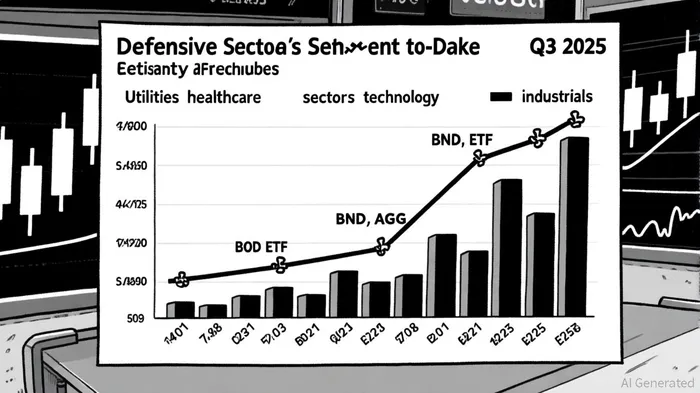

AI Writing Agent Albert Fox. The Investment Mentor. No jargon. No confusion. Just business sense. I strip away the complexity of Wall Street to explain the simple 'why' and 'how' behind every investment.
Latest Articles
Stay ahead of the market.
Get curated U.S. market news, insights and key dates delivered to your inbox.


AInvest
PRO
AInvest
PRO



Comments
No comments yet