
AInvest Newsletter
Daily stocks & crypto headlines, free to your inbox
 Aime Summary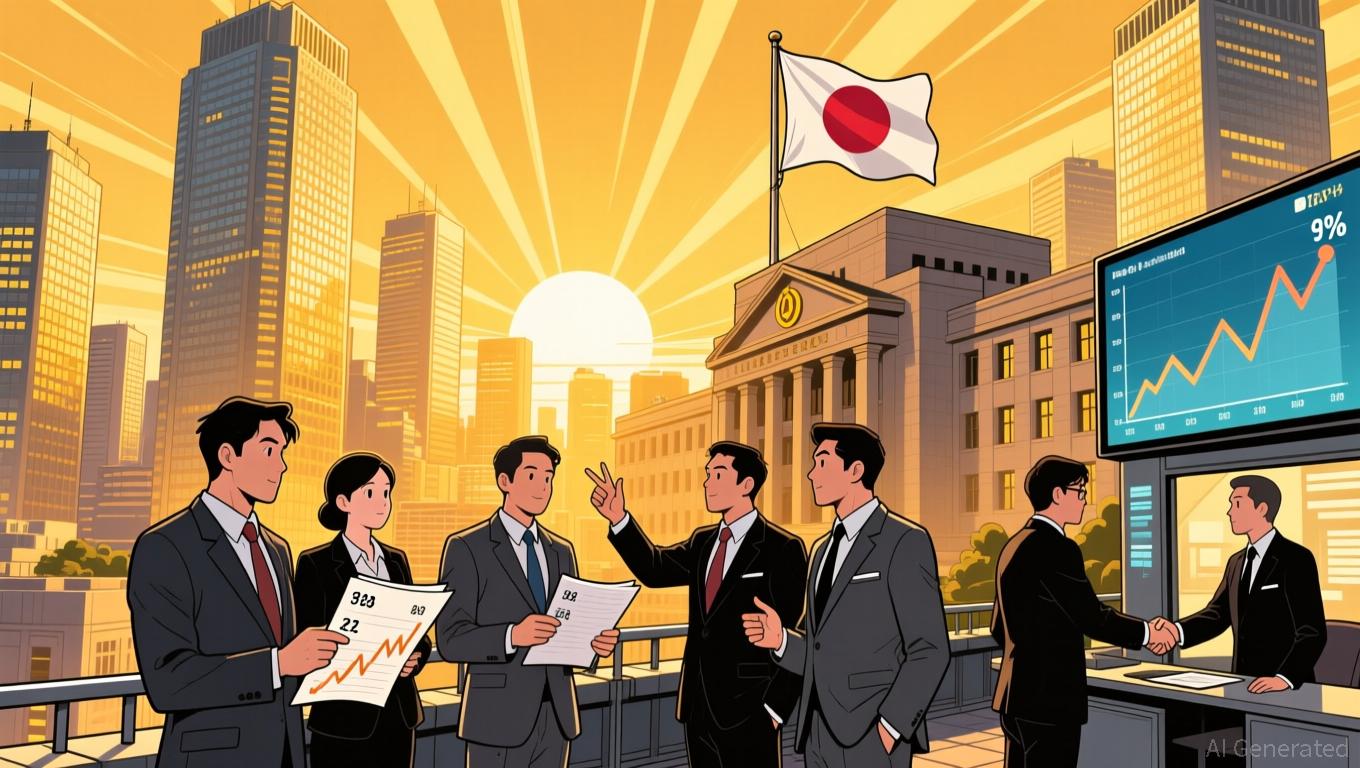
Meanwhile, the U.S. Commerce Department authorized the sale of 35,000 advanced AI chips to state-backed Gulf entities, including Saudi Arabia’s HUMAIN and the UAE’s G42, in a $1 billion deal. This marked a policy reversal from previous restrictions aimed at preventing advanced U.S. technology from indirectly reaching China via Gulf intermediaries. The approval, announced under President Donald Trump, emphasized “promoting American AI dominance and global technological leadership”. North of South Capital’s Kamil Dimmich highlighted the strategic intent to position the Gulf as a global compute hub. The decision followed a high-profile U.S.-Saudi Investment Forum in Washington, where Trump and Crown Prince Mohammed bin Salman reaffirmed economic collaboration.
Tensions between China and Japan escalated after Prime Minister Takaichi’s remarks on Taiwan, prompting Beijing to effectively suspend imports of Japanese seafood and advise citizens against travel to Japan. Chinese foreign ministry spokesperson Mao Ning warned of “strong and resolute countermeasures” if Japan did not retract its statements, which framed Taiwan-related military actions as existential threats. The move disrupted Japan’s seafood exports and threatened its tourism sector, which relies on Chinese visitors for approximately 20% of total arrivals. China also canceled flights to Japan and postponed Japanese film screenings. Analysts at Daiwa Securities noted that bilateral relations have deteriorated to their lowest point since 2012, with Beijing raising concerns about potential retaliatory measures such as rare-earth embargoes.
The interplay of these developments underscores broader macroeconomic vulnerabilities. Japan’s fiscal expansion risks triggering capital outflows and inflationary pressures, while its diplomatic friction with China complicates trade recovery. The U.S. AI policy shift signals a recalibration of global technology governance, with Gulf states emerging as strategic partners in a multipolar tech landscape. These trends highlight the interconnectedness of fiscal, technological, and geopolitical risks in shaping near-term economic trajectories.

AI Product Manager at AInvest, former quant researcher and trader, focused on transforming advanced quantitative strategies and AI into intelligent investment tools.
Dec.03 2025

Dec.01 2025

Nov.27 2025

Nov.27 2025

Nov.27 2025
Daily stocks & crypto headlines, free to your inbox







Comments
No comments yet