
Global Crypto Mining Regulation and Energy Policy Risks: Lessons from Interpol's African Crackdown


 Aime Summary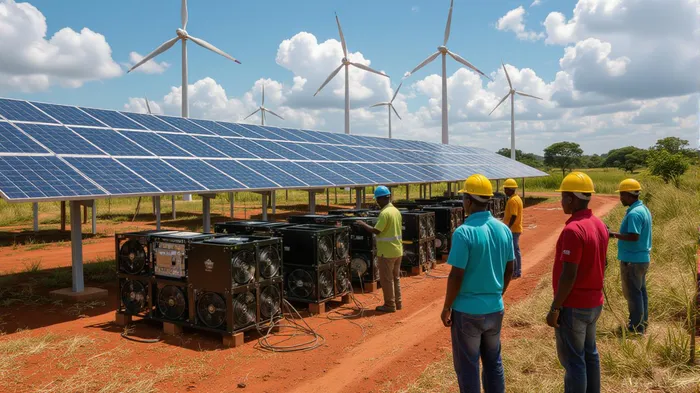
In 2025, Interpol's Operation Serengeti 2.0—a cross-border crackdown on illegal cryptocurrency mining and cybercrime in Africa—exposed the volatile intersection of energy policy, digital assetDAAQ-- speculation, and regulatory enforcement. The operation, spanning 18 African nations and the UK, dismantled 11,432 malicious infrastructures, arrested 1,209 individuals, and recovered $97.4 million in assets. Its most striking impact emerged in Angola, where 25 illegal mining centers operated by 60 Chinese nationals were seized, with $37 million in equipment repurposed for rural electrification. This case study underscores a critical shift in global energy markets: the repurposing of crypto infrastructure from speculative energy drains to tools for public infrastructure.
The Energy-Crypto Nexus: A New Regulatory Paradigm
Angola's 2024 national mining ban, enforced due to energy grid instability, exemplifies a growing trend. Governments worldwide—from Russia's Buryatia to New York—are restricting energy-intensive crypto mining to prioritize grid stability. In Angola, the crackdown not only curtailed illicit operations but also transformed seized Application-Specific Integrated Circuits (ASICs) into decentralized energy solutions. This pivot highlights a strategic reallocation of resources: energy previously diverted to speculative mining is now fueling rural electrification, reducing energy poverty, and creating hybrid revenue streams through renewable energy integration.
For investors, this signals a paradigm shift. The energy-crypto nexus is no longer a speculative play but a regulated, infrastructure-driven sector. Countries like Zambia and Namibia are now leveraging surplus ASICs from Angola's crackdown to build hydro-microgrids and green hydrogen projects, reducing electricity costs by 60% for 15,000 residents. These models demonstrate how repurposed crypto infrastructure can align with decarbonization goals while generating returns.
Investment Risks in Energy-Dependent Markets
The Angolan crackdown reveals three key risks for investors in energy-dependent markets:
1. Regulatory Volatility: Jurisdictions with unstable energy grids are increasingly criminalizing crypto mining. Angola's penalties—prison terms and asset seizures—mirror stricter policies in New York and Buryatia.
2. Energy Infrastructure Strain: Unregulated mining exacerbates grid instability, prompting governments to prioritize energy security over digital asset production.
3. Asset Repurposing: Seized equipment is being redirected to public infrastructure, reducing the availability of mining hardware for private operators.
Strategic Opportunities in the Post-Crackdown Era
Despite these risks, the repurposing of crypto infrastructure presents opportunities for investors aligned with sustainable development. For example:
- Gridless in Zambia has integrated repurposed ASICs into hydro-microgrids, reducing costs and expanding access.
- Hyphen Hydrogen Energy in Namibia is using surplus mining hardware in green hydrogen production, aligning with global decarbonization trends.
- Bitcoin Mining Namibia is distributing mining equipment with solar energy credit programs, creating dual-income models for households.
These projects highlight a shift from speculative mining to infrastructure-driven value creation. Investors should prioritize markets where crypto hardware is being integrated with renewable energy, such as South Africa's solar-powered mining initiatives or Ethiopia's decentralized microgrid projects.
Policy Implications and Global Trends
Interpol's collaboration with private sector partners like TRM Labs and Trend Micro underscores the role of international coordination in addressing cross-border cybercrime. The Angolan government's success in repurposing seized assets for public use sets a precedent for other energy-constrained nations. As of 2025, 70% of African countries are revising energy policies to balance crypto innovation with grid stability, according to the African Joint Operation Against Cybercrime (AFJOC).
Investment Advice: Navigating the Energy-Crypto Transition
For investors, the key takeaway is to diversify into energy infrastructure projects that integrate crypto technologies with renewable energy. Avoid jurisdictions with strict mining bans, and instead focus on regions repurposing surplus hardware for public use. Key sectors to monitor include:
- Decentralized energy systems (e.g., microgrids, solar-wind hybrids).
- Green hydrogen production leveraging repurposed ASICs.
- Energy poverty alleviation projects in sub-Saharan Africa.
The Angolan crackdown demonstrates that crypto mining and energy infrastructure are not mutually exclusive but complementary when strategically managed. By aligning with countries that repurpose mining assets for sustainable development, investors can mitigate regulatory risks while capitalizing on the energy transition.
In conclusion, the global crackdown on energy-intensive crypto mining is reshaping investment landscapes. The future of the sector lies in hybrid models that balance digital innovation with energy security—a shift that rewards long-term, infrastructure-focused strategies over short-term speculation.

Decoding blockchain innovations and market trends with clarity and precision.
Latest Articles
Stay ahead of the market.
Get curated U.S. market news, insights and key dates delivered to your inbox.






Comments
No comments yet