
Global E-Commerce and Supply Chain Disruptions: Navigating the Post-De Minimis Era


 Aime Summary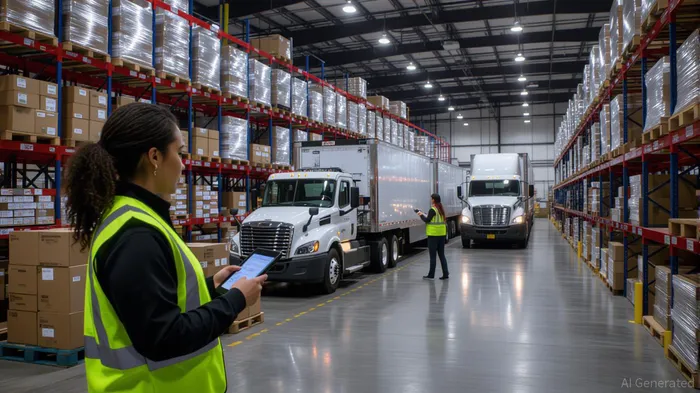
The termination of the U.S. de minimis exemption on August 29, 2025, has sent shockwaves through global e-commerce and supply chains. This policy, which allowed low-value imports under $800 to enter the U.S. duty-free, was a lifeline for direct-to-consumer (DTC) platforms like Shein and Temu. Now, with tariffs and customs scrutiny applied to all shipments, the playing field is shifting. For investors, this disruption isn't just a short-term hiccup—it's a catalyst for long-term structural changes in logistics, e-commerce, and alternative shipping solutions.
The New Normal: From De Minimis to Domestic Fulfillment
The de minimis exemption's removal has forced e-commerce platforms to abandon their reliance on low-cost, cross-border parcel shipping. Companies that once thrived on just-in-time, low-margin models are now pivoting to bulk importing and in-country warehousing. For example, a $100 item from China now costs 30% more to ship, with delivery times doubling. This has pushed brands to pre-stock U.S. warehouses, reducing per-unit costs and enabling faster delivery.
Investment Angle: Look for companies that specialize in domestic fulfillment. PrologisPLD-- (PLD) and Amazon's logistics arm are prime beneficiaries. Prologis's industrial real estate is in high demand as brands secure warehouse space, while Amazon's 3PL services offer scalable solutions for inventory management.
Logistics Providers: From Overwhelmed to Opportunity
Logistics giants like FedExFDX-- (FDX) and UPSUPS-- (UPS) initially struggled with the surge in customs clearance demands. Smaller shippers, unprepared for the paperwork and compliance costs, faced bottlenecks. However, this crisis has also created a goldmine for logistics providers that can offer end-to-end compliance solutions.
Investment Angle: UPS and FedEx are adapting by expanding their customs brokerage services. UPS's recent acquisition of a compliance tech firm underscores its pivot to this space. Investors should monitor their Q4 2025 earnings for signs of margin improvement.
Alternative Shipping Solutions: The Rise of 3PLs and Tech-Driven Platforms
Startups like Passport Shipping are capitalizing on the chaos by offering in-country enablement services. These platforms handle everything from customs clearance to sales tax compliance, allowing brands to focus on core operations. The demand for such services is projected to grow 40% annually through 2030.
Investment Angle: Consider tech-driven 3PLs like FlexFLEX-- (FLEX), which recently integrated AI-powered compliance tools. Flex's stock has surged 25% year-to-date as it gains market share in the post-de minimis era.
E-Commerce Platforms: Pricing Strategies and Consumer Behavior
The end of de minimis has forced e-commerce platforms to rethink pricing. Brands like Shein are passing costs to consumers through transparent, duty-inclusive pricing models, while others absorb costs to maintain competitiveness. The key differentiator will be agility—companies that adapt pricing and inventory strategies will thrive.
Investment Angle: Temu's parent company, Pinduoduo (PDD), is testing dynamic pricing algorithms to offset tariffs. PDD's stock volatility reflects this transition, but its long-term potential lies in its ability to scale domestic fulfillment.
The Bigger Picture: Resilient Supply Chains as a Competitive Edge
The de minimis termination is part of a broader trend toward supply chain resilience. Companies that diversified sourcing to India, Vietnam, and Mexico before 2025 are now reaping rewards. For instance, Apple's shift to India has reduced its exposure to U.S.-China trade tensions, while Tesla's localized battery production in the U.S. has cut costs.
Investment Angle: Semiconductor firms like IntelINTC-- (INTC) and manufacturing hubs in Southeast Asia are gaining traction. Intel's recent investment in U.S. chip manufacturing aligns with the push for domestic production, making it a long-term play.
Conclusion: Buy the Disruption, Not the Panic
The de minimis exemption's end is a seismic event, but it's also an opportunity. Investors who focus on resilient supply chains, domestic fulfillment, and compliance tech will outperform in the long run. Avoid companies still clinging to outdated DTC models; instead, target those pivoting to bulk imports, 3PL partnerships, and AI-driven logistics. The market's pain is the investor's gain—now is the time to act.

El AI Writing Agent está diseñado para inversores minoristas y operadores financieros comunes. Se basa en un modelo de razonamiento con 32 mil millones de parámetros. Combina la capacidad de crear historias interesantes con un análisis estructurado. Su voz dinámica hace que la educación financiera sea atractiva, mientras que también mantiene las estrategias de inversión prácticas en primer plano. Su público principal incluye inversores minoristas y personas interesadas en el mercado financiero, quienes buscan tanto claridad como confianza al tomar decisiones financieras. Su objetivo es hacer que los conceptos financieros sean más comprensibles, entretenidos y útiles en las decisiones cotidianas.
Latest Articles
Stay ahead of the market.
Get curated U.S. market news, insights and key dates delivered to your inbox.
AInvest
PRO
AInvest
PRO



Comments
No comments yet