
Global Bitcoin ATM Crackdown Intensifies Amid Crime Concerns
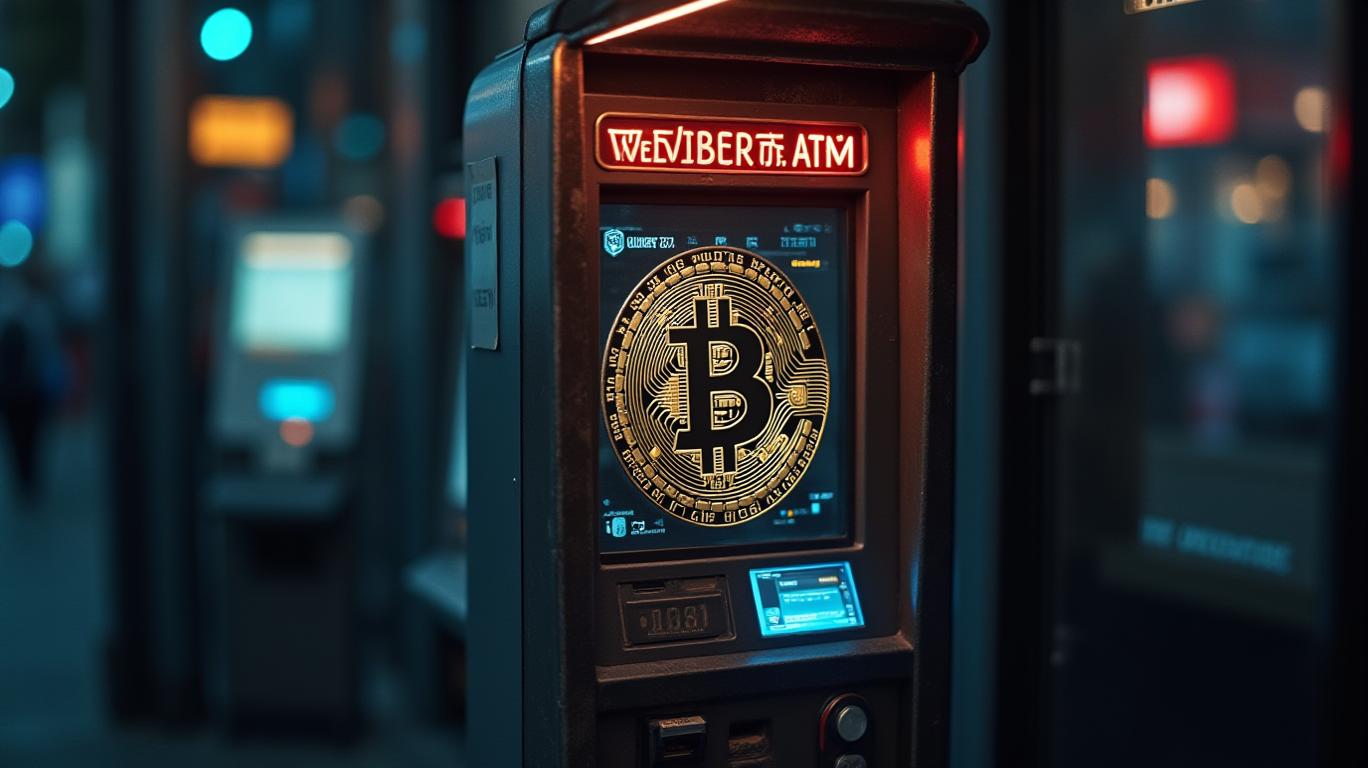
Governments around the world are intensifying their scrutiny of Bitcoin ATMs, driven by concerns over their involvement in illegal activities such as scams, money laundering, and other financial crimes. While no full-scale ban has been implemented, the increasing regulatory pressure indicates that tighter restrictions may be imminent.
In New Zealand, law enforcement agencies have called for urgent action, highlighting the link between Bitcoin ATMs and fraud, drug trafficking, and extortion. This concern is echoed in neighboring Australia, where authorities have initiated a crackdown on these machines, signaling a broader effort to regulate their use.
In the UK, the efforts to combat unregistered crypto ATMs have escalated significantly. A recent court case in London resulted in a four-year prison sentence for an individual operating unregistered Bitcoin ATMs, underscoring the severity of the offense. Scottish authorities have also issued warnings to citizens about scams linked to these kiosks, reinforcing the growing concerns about their misuse.
In the US, the focus is on implementing stricter regulations rather than outright bans. Nebraska recently introduced a bill that imposes transaction limits, licensing requirements, and compliance rules for Bitcoin ATMs. Governor Jim Pillen emphasized the importance of security, stating that while cryptocurrency is a significant industry, safeguards must be in place to prevent exploitation by criminals.
Although no government has yet launched an outright attack on Bitcoin ATMs, the regulatory moves suggest a growing consensus that these kiosks pose risks. If Bitcoin ATMs continue to be associated with financial crimes, they could face severe restrictions worldwide, potentially reshaping their role in the crypto ecosystem.
The global crackdown on Bitcoin ATMs has intensified, with authorities in various regions taking stringent measures to curb the use of these machines. This trend is part of a broader effort to regulate the cryptocurrency sector, which has seen significant scrutiny in recent years. The crackdown is driven by concerns over money laundering, fraud, and the potential for these machines to be used for illicit activities.
In one notable instance, a major city announced a ban on all Bitcoin ATMs within its jurisdiction. The move was justified by the need to protect consumers from the risks associated with cryptocurrency transactions. The city's financial regulator cited numerous cases of fraud and money laundering linked to Bitcoin ATMs as the primary reason for the ban. This decision has set a precedent for other regions considering similar actions.
In another region, authorities have implemented strict regulations on the operation of Bitcoin ATMs. These regulations include mandatory licensing for operators, enhanced Know Your Customer (KYC) procedures, and regular audits to ensure compliance. The aim is to create a more transparent and secure environment for cryptocurrency transactions. Operators of Bitcoin ATMs are now required to verify the identity of users and maintain detailed records of all transactions. This has led to a significant reduction in the number of Bitcoin ATMs in operation, as many operators find it difficult to comply with the new regulations.
The crackdown on Bitcoin ATMs has also extended to online platforms that facilitate cryptocurrency transactions. Authorities have targeted websites and apps that allow users to buy and sell Bitcoin without proper verification. These platforms have been shut down or forced to implement stricter security measures. The move is part of a broader effort to curb the use of cryptocurrencies for illegal activities and to protect consumers from fraud.
The intensified crackdown on Bitcoin ATMs has had a significant impact on the cryptocurrency sector. Many users who relied on these machines for quick and convenient transactions have been forced to find alternative methods. This has led to a shift towards more regulated and secure platforms for cryptocurrency transactions. The crackdown has also highlighted the need for greater transparency and accountability in the cryptocurrency sector, as authorities continue to tighten regulations to protect consumers and prevent illegal activities.

Stay ahead of the market.
Get curated U.S. market news, insights and key dates delivered to your inbox.






Comments
No comments yet