
Glittering Heights: Gold & Silver's Historic 2025 Rally and the Path to 2026
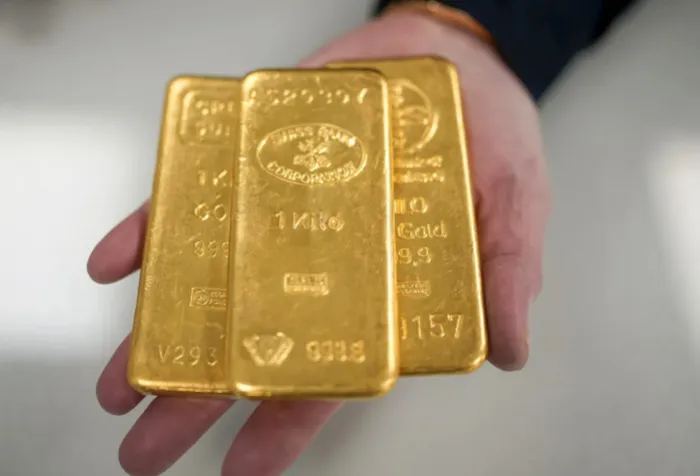
- Historic Milestones: Gold surged approximately 67% in 2025, shattering records to reach highs above $4,400/oz, driven by central bank accumulation and the "debasement trade."
Silver's Industrial Renaissance: Silver outperformed gold in percentage terms, nearing $70/oz, fueled by a fifth consecutive year of supply deficits and surging demand from the AI and solar sectors.
2026 Outlook: Goldman SachsGS-- projects gold could reach $4,900/oz by year-end 2026, though gains may moderate compared to 2025.
Macro Drivers: The "Fed pivot" (expected rate cuts), US fiscal concerns (rising debt), and deepening geopolitical fractures (Ukraine, Venezuela) remain the primary engines for the bull market.
As 2025 draws to a close, precious metals have cemented their status as the year's undisputed champions. In a market environment defined by "fiscal dominance" and shifting geopolitical alliances, gold and silver have not just appreciated—they have re-rated.
Gold's ascent to over $4,441 per ounce and silver's march toward $70 mark the culmination of a "perfect storm" for hard assets: a weakening US dollar, aggressive central bank buying, and the return of western investment demand.
The 2025 Recap: A Year for the History Books
The rally of 2025 was relentless. After breaking the psychological $3,000 barrier earlier in the year following tariff announcements, gold accelerated through $4,000 during the US government shutdown scare in October.
According to data from the World Gold Council, this year's performance is the strongest since 1979. The rally has been underpinned by a structural shift in global capital. Unlike previous cycles driven primarily by fear, the 2025 bull run has been fueled by the "debasement trade"—a collective retreat from sovereign bonds by investors concerned about ballooning global debt levels, which now exceed $340 trillion.
"Today's rally is largely driven by early positioning around Fed rate-cut expectations, amplified by thin year-end liquidity." — Dilin Wu, Strategist at Pepperstone Group Ltd via Bloomberg.
The Catalysts: Why Prices Are Soaring
1. The "Fed Put" and Real Rates
With inflation softening, traders are betting heavily that the Federal Reserve will cut interest rates twice in 2026. Lower interest rates reduce the opportunity cost of holding non-yielding assets like bullion. Furthermore, President Donald Trump's advocacy for looser monetary policy has stoked expectations that the Fed may tolerate higher inflation to support growth, a classic tailwind for gold.
2. Geopolitics: The Safe-Haven Premium
Geopolitical hedging has evolved from a short-term trade to a long-term portfolio anchor.
Venezuela: The intensified US oil blockade has renewed tensions in Latin America.
Ukraine & Russia: The first-ever attack on a "shadow fleet" oil tanker in the Mediterranean marked a dangerous escalation, reminding markets of the fragility of energy supply chains.
These events drive investors toward "Safe Haven" assets. According to Investopedia, a safe haven is an asset that is expected to retain or increase in value during times of market turbulence.
3. Central Bank Accumulation
Central banks, particularly in emerging markets, have been voracious buyers. Diversifying away from the US dollar (the "de-dollarization" trend) has led nations to swap Treasury bonds for physical gold bars. This official sector buying effectively puts a "floor" under the gold price, preventing deep corrections.
Silver: The High-Beta Industrial Play
While gold grabs the headlines, silver has quietly delivered explosive returns, rallying over 100% in 2025. Silver's dual identity as a monetary metal and a critical industrial input has created a "squeeze" scenario.
The AI Boom: Silver's conductivity makes it essential for high-performance computing connectors used in AI data centers.
Green Energy: The photovoltaic (solar) sector continues to consume record amounts of silver paste.
Analysts at MarketWatch note that the silver market is in its fifth consecutive year of supply deficit, with mining output failing to keep pace with demand. The "short squeeze" in October, which saw volumes spike in Shanghai, highlighted just how tight physical inventories have become.
2026 Outlook: Can the Rally Continue?
Wall Street remains bullish, though expecting a change in pace. The consensus is that while the velocity of gains may slow, the direction remains upward.
Goldman Sachs has issued a base-case scenario of $4,900 an ounce for 2026. Their rationale cites that ETF investors are now competing with central banks for limited physical supply, creating a "scarcity premium."
However, risks remain. If the Fed pauses rate cuts due to sticky inflation, or if the US dollar stages a surprise recovery, we could see a period of consolidation.
2026 Forecasts at a Glance
Source: Aggregated analyst consensus from TradingView.
Frequently Asked Questions (FAQ)
Q: What is the "Debasement Trade" mentioned by institutional investors?
A: The debasement trade refers to investors buying real assets (like gold, silver, or real estate) to protect purchasing power against the devaluation of currency. This often happens when governments run high fiscal deficits and print money to service debt. As global debt levels rise, investors fear that fiat currencies will lose value over time, making finite assets like gold more attractive. (See Investopedia: Debasement).
Q: Why is Silver more volatile than Gold?
A: Silver's market cap is significantly smaller than gold's, meaning it takes less capital to move the price. Additionally, roughly 50-60% of silver demand is industrial (vs. ~10% for gold). This exposes silver to the business cycle; in a recession, industrial demand drops, hurting silver even if investment demand is high. Conversely, in a growth economy with inflation, silver fires on both cylinders, leading to the outsized gains seen in 2025.
Q: How does the "Shadow Fleet" impact precious metals?
A: The "Shadow Fleet" refers to aging tankers used by sanctioned nations (like Russia or Iran) to transport oil outside Western insurance and regulatory networks. The attack on such a vessel (as seen in the Mediterranean) signals a breakdown in the informal rules of engagement. This increases geopolitical risk premiums, driving oil prices up (inflationary) and sending investors fleeing to safe havens like gold.
Q: Is it too late to buy at all-time highs?
A: While buying at a peak carries risk, many analysts, including those at Morgan Stanley, view this as a structural super-cycle rather than a bubble. If the 2026 outlook of rate cuts and central bank buying holds true, current prices may establish a new "base" rather than a ceiling. However, dollar-cost averaging is often recommended over lump-sum investing at record highs.

The AInvest News Editorial Team consists of experienced financial journalists and editors who oversee all published content. While our newsroom leverages advanced AI tools to assist in data gathering and draft generation, every article is reviewed, fact-checked, and approved by human editors to ensure accuracy, clarity, and transparency.
Latest Articles
Stay ahead of the market.
Get curated U.S. market news, insights and key dates delivered to your inbox.
AInvest
PRO
AInvest
PRO



Comments
No comments yet