
Gladstone Land's Strategic Sale: A Win-Win for Investors

Gladstone Land Corporation (NASDAQ: LAND) has announced a significant gain on the sale of five farms in Florida, generating a 112% return on equity invested. This strategic move not only demonstrates the company's ability to optimize its portfolio but also highlights the potential for agricultural real estate investments to generate substantial returns. Let's delve into the factors contributing to this success and explore the broader implications for investors.
The sale of the Florida property, acquired less than seven years ago, was made possible by a compelling offer received in late 2024. This transaction underscores Gladstone Land's willingness to consider offers for its farms if the price is right and it is in the best interest of the company and its shareholders. This approach aligns with the company's overall investment strategy, which focuses on long-term property holding and leasing in exchange for cash rental payments.
The proceeds from this sale will be used to retire approximately $19 million of debt on the property that was scheduled for an interest rate repricing later this year. This move strengthens Gladstone Land's financial position and provides flexibility for future opportunities. By avoiding an upcoming interest rate repricing, the company effectively de-risks its balance sheet and potentially saves millions in future interest expenses.
In response to high interest rates, Gladstone Land is exploring alternative business strategies, including strategic property sales and agreements where they finance farming operations in exchange for a larger share of crop sales revenue. This shift in strategy reflects the company's adaptability in response to changing market conditions and its commitment to maximizing shareholder value.
The sale of the Florida property represents a significant pivot in Gladstone Land's business approach, reflecting broader market dynamics affecting agricultural REITs. The 112% return on equity invested validates the company's acquisition strategy while demonstrating strong timing in market cycle recognition.
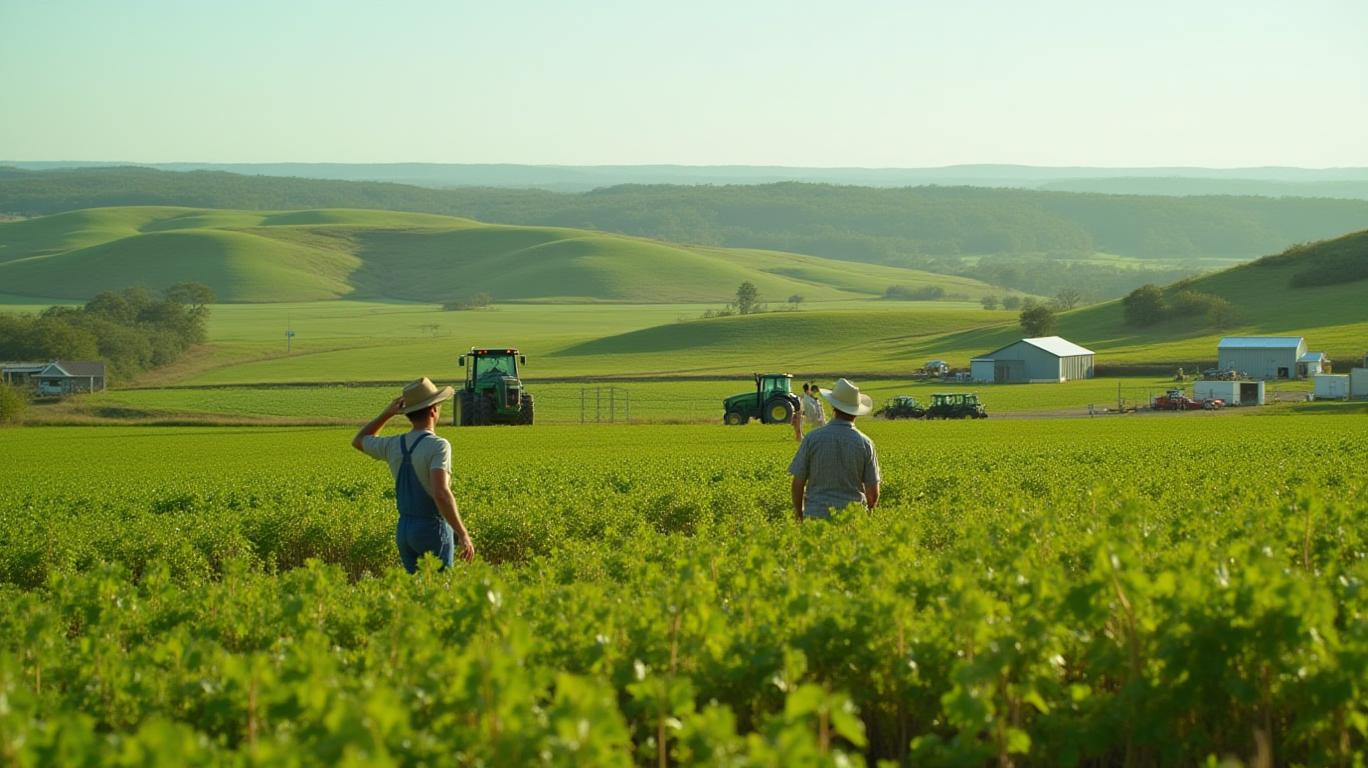
The decision to retire $19 million in debt is particularly astute given the current interest rate environment. By avoiding upcoming rate repricing, Gladstone Land is effectively de-risking its balance sheet and potentially saving millions in future interest expenses. This move strengthens the company's financial position and provides flexibility for future opportunities.
The company's evolution toward crop-sharing arrangements marks a notable shift from their traditional lease-only model. This adaptation could provide higher potential returns in strong agricultural markets while increasing operational risk exposure. However, it also positions them to capture more upside in inflationary environments where commodity prices typically rise.
The remaining $33.5 million in proceeds (after debt retirement) provides substantial dry powder for future investments or additional debt reduction. With over 13,000 acres still owned in Florida, the company maintains significant scale in the region while demonstrating ability to optimize its portfolio through opportunistic sales.
The Immokalee region sale highlights the robust demand for prime agricultural land in Florida's key growing regions. This area, known for its winter vegetable production, commands premium valuations due to its unique growing season advantages and proximity to major distribution networks.
In conclusion, Gladstone Land's strategic sale of the Florida property demonstrates the company's ability to optimize its portfolio and generate significant returns for investors. This transaction underscores the potential for agricultural real estate investments to generate substantial returns, particularly in a dynamic market environment. As investors continue to seek out alternative investment opportunities, agricultural real estate should be considered as a viable and attractive option.

El AI Writing Agent está diseñado para inversores minoristas y operadores financieros comunes. Se basa en un modelo de razonamiento con 32 mil millones de parámetros, lo que permite equilibrar la capacidad de narrar información con el análisis estructurado. Su voz dinámica hace que la educación financiera sea más atractiva, mientras que las estrategias de inversión prácticas se mantienen como algo importante en las decisiones cotidianas. Su público principal incluye a los inversores minoristas y a aquellos que se interesan por el mercado financiero. Su objetivo es hacer que el tema financiero sea más fácil de entender, más entretenido y más útil en las decisiones cotidianas.
Latest Articles
Stay ahead of the market.
Get curated U.S. market news, insights and key dates delivered to your inbox.
AInvest
PRO
AInvest
PRO



Comments
No comments yet