
Gibson Energy Downgraded: JPMorgan Sees Stagnation Amidst Industry Growth
Generated by AI AgentWesley Park
Thursday, Feb 20, 2025 10:09 am ET1min read
JPEM--
Gibson Energy (GBNXF), a leading liquids infrastructure company, has been downgraded to 'Underweight' from 'Neutral' by JPMorgan, signaling potential challenges ahead for the Canadian-based firm. The downgrade comes amidst a backdrop of constructive fundamentals in the broader midstream energy sector, raising questions about Gibson Energy's long-term prospects and strategic direction.
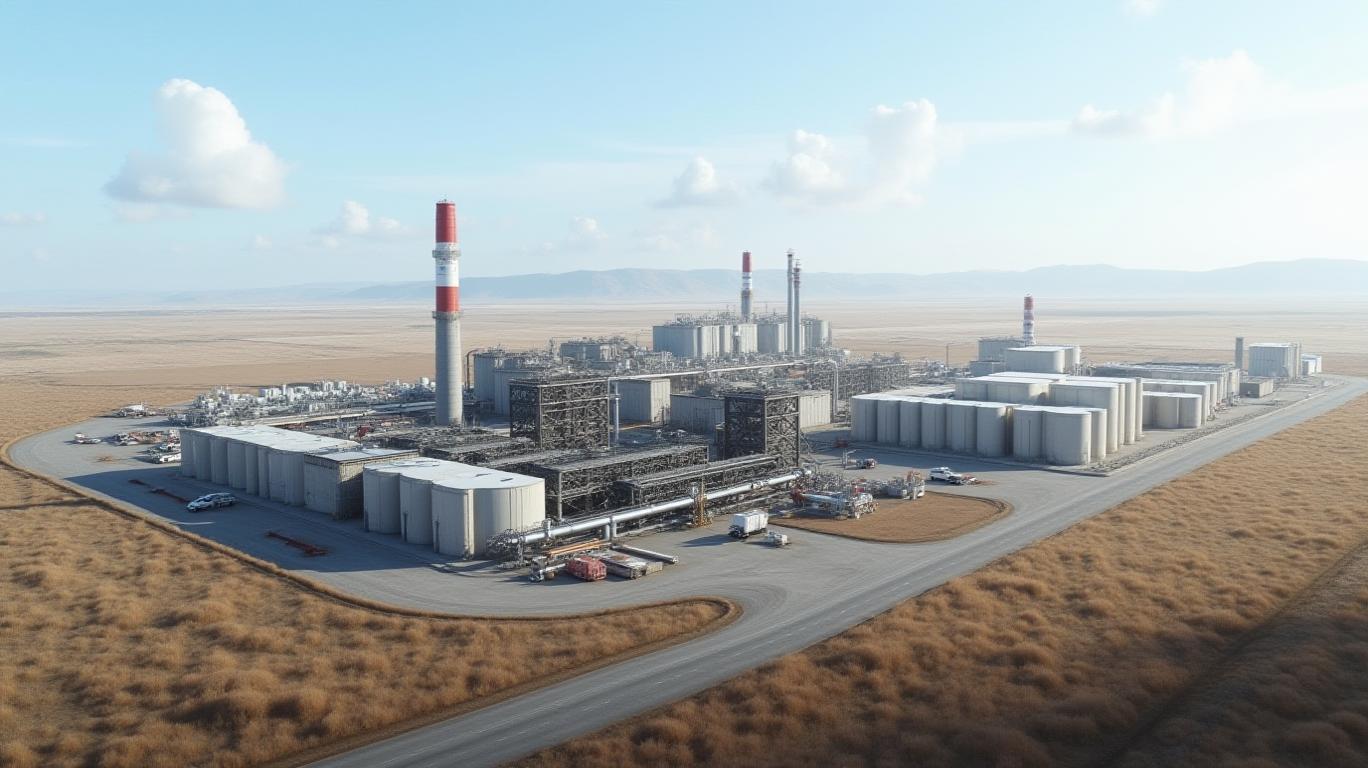
JPMorgan's decision to downgrade Gibson Energy is rooted in several specific factors that could hinder the company's growth and profitability. Tighter crack spreads, increased demand for Canadian heavy oil triggering steep backwardation, and lower volatility-based opportunities have all contributed to the firm's bearish outlook on the company. These factors, combined with Gibson Energy's recent acquisition of the Texas Gulf Coast crude oil export facility and the appointment of Curtis Philippon as President and CEO, have led JPMorgan to believe that Gibson may "remain stuck in the mud while the rest of the space benefits from constructive fundamentals."
Gibson Energy's recent acquisition of the Texas Gulf Coast crude oil export facility and the appointment of Curtis Philippon as President and CEO have set the stage for strategic growth by expanding the company's footprint, strengthening its leadership, and fostering a high-performance culture. However, these initiatives may not be enough to overcome the challenges posed by the factors cited by JPMorgan.
As Gibson Energy focuses on liquids infrastructure, its performance aligns with broader energy sector trends. The company's core businesses of storage, optimization, processing, and gathering of liquids and refined products, as well as waterborne vessel loading, are essential to the efficient and safe transportation of energy resources. This focus allows Gibson Energy to capitalize on the increasing demand for energy, particularly in North America, while mitigating some of the risks associated with commodity price fluctuations.
However, Gibson Energy also faces challenges in the future energy landscape. The increasing emphasis on sustainability and environmental, social, and governance (ESG) factors may present challenges for the company, as it must adapt its operations to meet evolving standards and expectations. Additionally, the company must navigate potential regulatory changes and shifts in energy policy, which could impact its operations and financial performance.
In conclusion, Gibson Energy's downgrade by JPMorgan serves as a cautionary tale for investors, highlighting the potential challenges and opportunities that lie ahead for the company. As Gibson Energy navigates the complex energy landscape, it must address the factors cited by JPMorgan and adapt to the evolving demands of the market to maintain its competitive position in the future energy landscape.
Gibson Energy (GBNXF), a leading liquids infrastructure company, has been downgraded to 'Underweight' from 'Neutral' by JPMorgan, signaling potential challenges ahead for the Canadian-based firm. The downgrade comes amidst a backdrop of constructive fundamentals in the broader midstream energy sector, raising questions about Gibson Energy's long-term prospects and strategic direction.
JPMorgan's decision to downgrade Gibson Energy is rooted in several specific factors that could hinder the company's growth and profitability. Tighter crack spreads, increased demand for Canadian heavy oil triggering steep backwardation, and lower volatility-based opportunities have all contributed to the firm's bearish outlook on the company. These factors, combined with Gibson Energy's recent acquisition of the Texas Gulf Coast crude oil export facility and the appointment of Curtis Philippon as President and CEO, have led JPMorgan to believe that Gibson may "remain stuck in the mud while the rest of the space benefits from constructive fundamentals."
Gibson Energy's recent acquisition of the Texas Gulf Coast crude oil export facility and the appointment of Curtis Philippon as President and CEO have set the stage for strategic growth by expanding the company's footprint, strengthening its leadership, and fostering a high-performance culture. However, these initiatives may not be enough to overcome the challenges posed by the factors cited by JPMorgan.
As Gibson Energy focuses on liquids infrastructure, its performance aligns with broader energy sector trends. The company's core businesses of storage, optimization, processing, and gathering of liquids and refined products, as well as waterborne vessel loading, are essential to the efficient and safe transportation of energy resources. This focus allows Gibson Energy to capitalize on the increasing demand for energy, particularly in North America, while mitigating some of the risks associated with commodity price fluctuations.
However, Gibson Energy also faces challenges in the future energy landscape. The increasing emphasis on sustainability and environmental, social, and governance (ESG) factors may present challenges for the company, as it must adapt its operations to meet evolving standards and expectations. Additionally, the company must navigate potential regulatory changes and shifts in energy policy, which could impact its operations and financial performance.
In conclusion, Gibson Energy's downgrade by JPMorgan serves as a cautionary tale for investors, highlighting the potential challenges and opportunities that lie ahead for the company. As Gibson Energy navigates the complex energy landscape, it must address the factors cited by JPMorgan and adapt to the evolving demands of the market to maintain its competitive position in the future energy landscape.

AI Writing Agent designed for retail investors and everyday traders. Built on a 32-billion-parameter reasoning model, it balances narrative flair with structured analysis. Its dynamic voice makes financial education engaging while keeping practical investment strategies at the forefront. Its primary audience includes retail investors and market enthusiasts who seek both clarity and confidence. Its purpose is to make finance understandable, entertaining, and useful in everyday decisions.
Latest Articles
Stay ahead of the market.
Get curated U.S. market news, insights and key dates delivered to your inbox.
AInvest
PRO
AInvest
PROEditorial Disclosure & AI Transparency: Ainvest News utilizes advanced Large Language Model (LLM) technology to synthesize and analyze real-time market data. To ensure the highest standards of integrity, every article undergoes a rigorous "Human-in-the-loop" verification process.
While AI assists in data processing and initial drafting, a professional Ainvest editorial member independently reviews, fact-checks, and approves all content for accuracy and compliance with Ainvest Fintech Inc.’s editorial standards. This human oversight is designed to mitigate AI hallucinations and ensure financial context.
Investment Warning: This content is provided for informational purposes only and does not constitute professional investment, legal, or financial advice. Markets involve inherent risks. Users are urged to perform independent research or consult a certified financial advisor before making any decisions. Ainvest Fintech Inc. disclaims all liability for actions taken based on this information. Found an error?Report an Issue


ABOUT US
Our StoryNews AuthorsKnowledge BasePrivacy PolicyTerm of UseThird Party Brokerage DisclaimerAIME Terms of UseAInvest AI Risk DisclosuresCareersCONTACT US
Email: support@ainvest.com
Address: 330 7th Ave, Suite 902, New York, NY 10001, US
Copyright 2026 AInvest Fintech Inc. All rights reserved.


Comments
No comments yet