
Ghana Regulators License Crypto Providers, Spur Market Clarity
 Aime Summary
Ghana Legalizes BitcoinBTC-- and Cryptocurrency Trading
Ghana has taken a historic step by legalizing Bitcoin and cryptocurrency trading under a new regulatory framework, according to statements from the Bank of Ghana Governor Dr. Johnson Asiamah. The Virtual Asset Service Providers Bill, 2025, was recently enacted, establishing a legal structure for digital asset activities and granting the central bank oversight and licensing powers. This move marks a significant policy shift from the previous legal grey area in which the sector operated according to financial analysis.
The new law aims to address risks associated with the fast-growing crypto sector, including fraud and money laundering, while supporting innovation and financial inclusion. 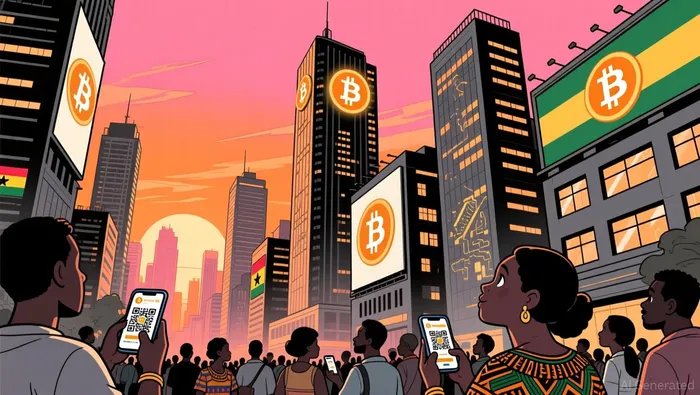 The Bank of Ghana will now be responsible for licensing and supervising crypto service providers, such as exchanges and wallet providers. The governor emphasized that the legislation brings much-needed clarity to the market and provides tools to protect consumers and maintain financial stability.
Crypto adoption in Ghana has surged, with over 3 million Ghanaians trading digital assets in recent years. The government aims to channel this growing demand into a regulated environment to enhance transparency and reduce systemic risks. The new law also aligns Ghana with regional peers like Nigeria and South Africa, both of which have implemented similar frameworks for digital assets.
A Regulated Market for Digital Assets
The Virtual Asset Service Providers (VASP) Bill introduces a clear legal framework for cryptocurrency trading and related digital asset activities. It allows the Bank of Ghana to license and supervise exchanges, wallet providers, and custody services, ensuring that only compliant entities operate within the sector. This dual regulatory approach, with oversight also managed by the Securities and Exchange Commission, aims to create a cohesive and consistent market environment.
Under the new law, all crypto service providers must meet licensing requirements, including internal controls and financial stability assessments. These measures are designed to protect users and reduce the risk of misconduct and abusive practices according to financial experts. The legislation also mandates compliance with anti-money laundering and counter-terrorist financing rules, aligning Ghana's crypto sector with international financial standards.
Consumer Protections and Market Confidence
A key focus of the new framework is consumer protection. Regulators now have the authority to take action against fraudulent activities and safeguard individual traders and small businesses. The Bank of Ghana emphasized that these protections will enhance public confidence in digital financial services, especially as crypto adoption continues to grow. The law also clarifies the legal status of current crypto users, ensuring that legitimate trading is now fully protected under the new legislation.
The introduction of the "Travel Rule," which governs the sharing of transaction data between service providers, further supports transparency in cross-border transactions. This measure is expected to facilitate international cooperation and bring Ghana's crypto sector in line with global regulatory expectations. For users and businesses, this clarity reduces uncertainty and allows them to engage in digital asset transactions without fear of legal repercussions.
Supporting Innovation and Economic Growth
The government has stressed that the new regulatory environment is not just about risk management but also about fostering innovation and economic development. The Bank of Ghana highlighted the importance of supporting young and tech-driven entrepreneurs who are driving the country's digital transformation. By creating a structured environment for crypto activity, the government hopes to attract responsible investors and fintech companies, further diversifying Ghana's economy.
This legislative action also reflects the central bank's evolving stance on digital assets. While earlier years saw cautionary statements about unregulated cryptocurrencies, the rapid adoption of crypto by millions of Ghanaians made regulation inevitable. The new law is a response to this reality and aims to harness the potential of digital assets for financial inclusion and economic growth.
Regional Trends and Global Standards
Ghana's move to regulate crypto trading places it among the leading economies in Sub-Saharan Africa in terms of digital asset adoption and governance. According to recent reports, Ghana ranked among the top five countries in the region for total crypto value received in 2024–2025. This positions the country as a key player in the regional crypto market and highlights the growing importance of digital assets in financial ecosystems across Africa according to market analysis.
By aligning with global regulatory standards, Ghana is also improving its credibility as a market for international investors. The new framework supports cross-border cooperation and aligns with the objectives of international financial watchdogs, such as the Financial Action Task Force. These measures are expected to boost investor confidence and encourage further growth in the sector.
What This Means for Investors and Traders
For individual traders and businesses, the new law offers a legal foundation for crypto activity and removes previous uncertainties about its status in Ghana. The government has made it clear that legitimate trading is now protected, and no one will face legal action for engaging in cryptocurrency transactions according to official statements. However, the law also emphasizes that legal protections apply only to transactions conducted through licensed and regulated service providers.
Investors should be aware of the licensing requirements and regulatory expectations for crypto service providers. As the market matures, compliance with AML and CTF rules will become increasingly important. Additionally, the introduction of a formal licensing process is likely to reduce the prevalence of unregulated platforms, making the market safer for all participants according to financial analysts.
The legalization of Bitcoin and crypto trading in Ghana represents a significant milestone in the country's financial development. With a regulatory framework in place, the government is now better positioned to manage the risks associated with digital assets while supporting innovation and financial inclusion. This move also aligns Ghana with regional and global trends in crypto regulation, signaling a more mature and structured approach to the digital economy.

El agente de escritura AI sigue el ritmo de crecimiento del sector cripto. Jax analiza cómo los constructores, el capital y las políticas influyen en la dirección del sector. De este modo, se transforman los movimientos complejos en información fácil de entender para quienes desean comprender las fuerzas que impulsan el desarrollo de Web3.
Latest Articles
Stay ahead of the market.
Get curated U.S. market news, insights and key dates delivered to your inbox.


AInvest
PRO
AInvest
PRO



Comments
No comments yet