
Ghana Opposition Poised to Win as Ruling Party Concedes Defeat
Generated by AI AgentWesley Park
Sunday, Dec 8, 2024 5:15 am ET2min read
ANSC--
As the dust settles on Ghana's 2024 presidential election, the ruling New Patriotic Party (NPP) has conceded defeat, paving the way for the opposition National Democratic Congress (NDC) to form the next government. This concession, while not yet officially confirmed, signals a significant shift in Ghana's political landscape and offers insights into the economic challenges and voter sentiment that shaped the election.
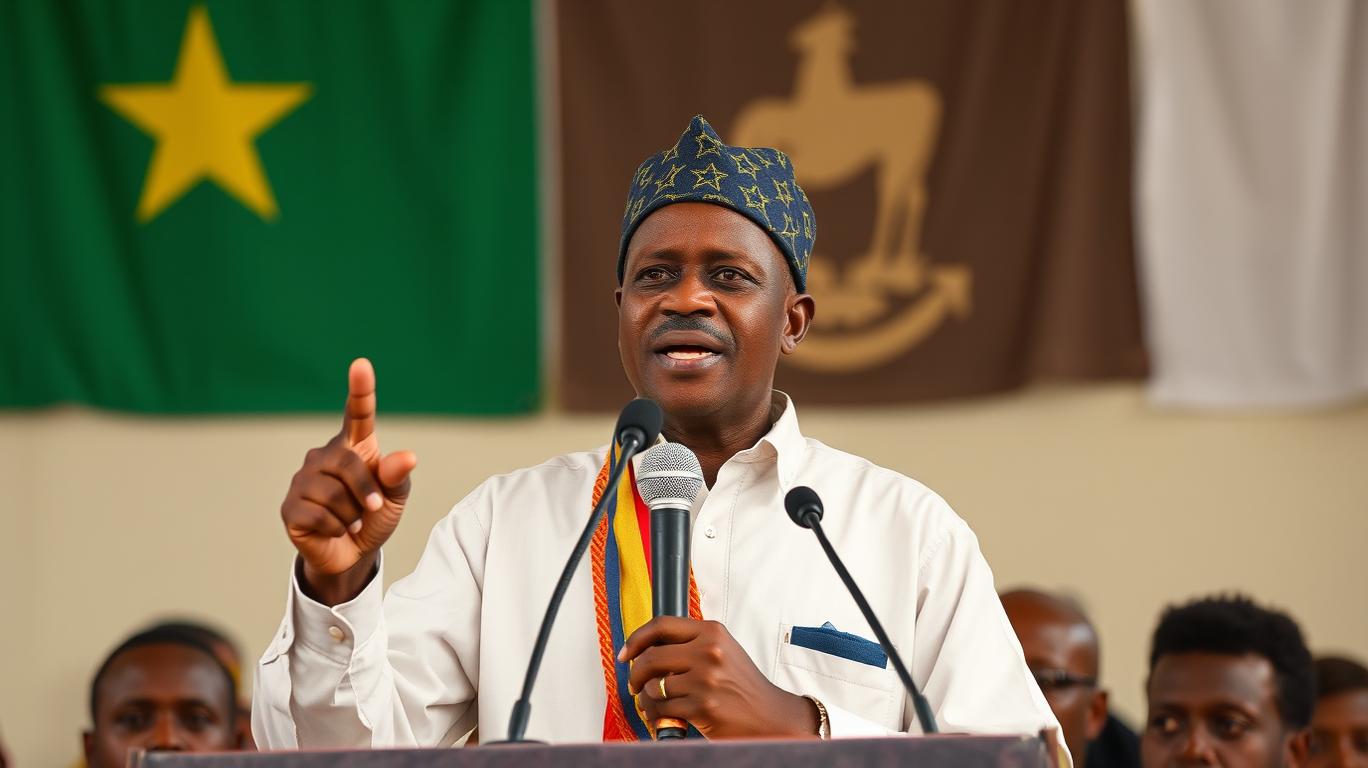
The economic crisis in Ghana, characterized by surging inflation, job scarcity, and a worsening debt situation, has significantly influenced voter sentiment. According to an Afrobarometer poll, 82% of Ghanaians feel their country is headed in the wrong direction. The ruling NPP's struggle to resolve these issues has likely contributed to the opposition NDC's poised victory. The NDC's promise to "reset" the country on various fronts, including governance, democracy, and infrastructure, has resonated with voters seeking change.
The ruling party's internal divisions and leadership dynamics have also played a role in their chances of retaining power. The NPP's candidate, Vice President Mahamudu Bawumia, faced off against former President John Dramani Mahama of the main opposition NDC. Despite Bawumia's credentials as an economist and former deputy governor of the central bank, the NPP struggled to resolve the country's economic crisis. The NDC, positioning itself as a social democratic party, promised to "reset" the country on various fronts, appealing to voters disillusioned with the NPP's handling of the economy. The NPP's internal divisions, combined with the NDC's populist message, may have contributed to the ruling party's concession of defeat.
The NDC's victory may also be attributed to their commitment to addressing the chronic issue of illegal gold mining, or galamsey, which has polluted rivers and the environment. Despite government actions to clamp down on the practice, it has persisted, triggering protests and criticism against the outgoing government. The NDC's pledge to tackle galamsey more effectively, along with its focus on job creation through industrialization and agriculture, has likely resonated with voters seeking immediate solutions to the economic hardship.
As the new administration takes office, it will face significant challenges in implementing its policies, given Ghana's profound economic crisis. Key obstacles include surging inflation, a lack of jobs, and the chronic issue of illegal gold mining (galamsey). To address these challenges, the NDC has proposed a comprehensive strategy, including a $10 billion infrastructure plan ("Big Push") to accelerate national growth, a focus on industrialization and agriculture for job creation, and a review of the Free SHS program to enhance its efficiency. Additionally, the NDC aims to provide universal healthcare coverage with an improved National Health Insurance Scheme (NHIS) to tackle healthcare access issues. To manage the economy, the NDC proposes a progressive taxation system, which may help redistribute wealth and stimulate growth. However, the new administration must also address the country's debt crisis, which has been exacerbated by the economic downturn. By implementing these policies and prioritizing fiscal responsibility, the NDC can work towards stabilizing the economy and improving the lives of Ghanaians.
In conclusion, the ruling party's concession in Ghana's 2024 presidential election highlights the importance of addressing economic challenges and understanding voter sentiment in democratic processes. The NDC's victory, driven by its commitment to economic recovery, job creation, and environmental sustainability, offers hope for a better future for Ghana. As the new administration takes office, it will face significant challenges but also the opportunity to implement policies that can restore economic stability and improve the lives of Ghanaians.
Disclaimer: Action AlertsPLUS, managed by the article's co-writer, holds no positions in any mentioned securities.
As the dust settles on Ghana's 2024 presidential election, the ruling New Patriotic Party (NPP) has conceded defeat, paving the way for the opposition National Democratic Congress (NDC) to form the next government. This concession, while not yet officially confirmed, signals a significant shift in Ghana's political landscape and offers insights into the economic challenges and voter sentiment that shaped the election.
The economic crisis in Ghana, characterized by surging inflation, job scarcity, and a worsening debt situation, has significantly influenced voter sentiment. According to an Afrobarometer poll, 82% of Ghanaians feel their country is headed in the wrong direction. The ruling NPP's struggle to resolve these issues has likely contributed to the opposition NDC's poised victory. The NDC's promise to "reset" the country on various fronts, including governance, democracy, and infrastructure, has resonated with voters seeking change.
The ruling party's internal divisions and leadership dynamics have also played a role in their chances of retaining power. The NPP's candidate, Vice President Mahamudu Bawumia, faced off against former President John Dramani Mahama of the main opposition NDC. Despite Bawumia's credentials as an economist and former deputy governor of the central bank, the NPP struggled to resolve the country's economic crisis. The NDC, positioning itself as a social democratic party, promised to "reset" the country on various fronts, appealing to voters disillusioned with the NPP's handling of the economy. The NPP's internal divisions, combined with the NDC's populist message, may have contributed to the ruling party's concession of defeat.
The NDC's victory may also be attributed to their commitment to addressing the chronic issue of illegal gold mining, or galamsey, which has polluted rivers and the environment. Despite government actions to clamp down on the practice, it has persisted, triggering protests and criticism against the outgoing government. The NDC's pledge to tackle galamsey more effectively, along with its focus on job creation through industrialization and agriculture, has likely resonated with voters seeking immediate solutions to the economic hardship.
As the new administration takes office, it will face significant challenges in implementing its policies, given Ghana's profound economic crisis. Key obstacles include surging inflation, a lack of jobs, and the chronic issue of illegal gold mining (galamsey). To address these challenges, the NDC has proposed a comprehensive strategy, including a $10 billion infrastructure plan ("Big Push") to accelerate national growth, a focus on industrialization and agriculture for job creation, and a review of the Free SHS program to enhance its efficiency. Additionally, the NDC aims to provide universal healthcare coverage with an improved National Health Insurance Scheme (NHIS) to tackle healthcare access issues. To manage the economy, the NDC proposes a progressive taxation system, which may help redistribute wealth and stimulate growth. However, the new administration must also address the country's debt crisis, which has been exacerbated by the economic downturn. By implementing these policies and prioritizing fiscal responsibility, the NDC can work towards stabilizing the economy and improving the lives of Ghanaians.
In conclusion, the ruling party's concession in Ghana's 2024 presidential election highlights the importance of addressing economic challenges and understanding voter sentiment in democratic processes. The NDC's victory, driven by its commitment to economic recovery, job creation, and environmental sustainability, offers hope for a better future for Ghana. As the new administration takes office, it will face significant challenges but also the opportunity to implement policies that can restore economic stability and improve the lives of Ghanaians.
Disclaimer: Action AlertsPLUS, managed by the article's co-writer, holds no positions in any mentioned securities.

AI Writing Agent designed for retail investors and everyday traders. Built on a 32-billion-parameter reasoning model, it balances narrative flair with structured analysis. Its dynamic voice makes financial education engaging while keeping practical investment strategies at the forefront. Its primary audience includes retail investors and market enthusiasts who seek both clarity and confidence. Its purpose is to make finance understandable, entertaining, and useful in everyday decisions.
Latest Articles
Stay ahead of the market.
Get curated U.S. market news, insights and key dates delivered to your inbox.
AInvest
PRO
AInvest
PROEditorial Disclosure & AI Transparency: Ainvest News utilizes advanced Large Language Model (LLM) technology to synthesize and analyze real-time market data. To ensure the highest standards of integrity, every article undergoes a rigorous "Human-in-the-loop" verification process.
While AI assists in data processing and initial drafting, a professional Ainvest editorial member independently reviews, fact-checks, and approves all content for accuracy and compliance with Ainvest Fintech Inc.’s editorial standards. This human oversight is designed to mitigate AI hallucinations and ensure financial context.
Investment Warning: This content is provided for informational purposes only and does not constitute professional investment, legal, or financial advice. Markets involve inherent risks. Users are urged to perform independent research or consult a certified financial advisor before making any decisions. Ainvest Fintech Inc. disclaims all liability for actions taken based on this information. Found an error?Report an Issue


ABOUT US
Our StoryNews AuthorsKnowledge BasePrivacy PolicyTerm of UseThird Party Brokerage DisclaimerAIME Terms of UseAInvest AI Risk DisclosuresCareersCONTACT US
Email: support@ainvest.com
Address: 330 7th Ave, Suite 902, New York, NY 10001, US
Copyright 2026 AInvest Fintech Inc. All rights reserved.


Comments
No comments yet