
Germany's Solar Crossroads: Policy, Infrastructure, and Ideological Divides Take Center Stage


 Aime Summary
Germany's SolarPlus Forum 2025 highlighted a pragmatic shift in the nation's solar energy strategy, with industry leaders emphasizing the need for legislative clarity, funding innovation, and cross-sector collaboration to accelerate renewable adoption. Held at Berlin's bcc Congress Center, the forum brought together policymakers, regulators, and business executives to address both the opportunities and obstacles facing Germany's solar sector. Key themes included the urgent need for updated regulatory frameworks, the role of infrastructure in supporting energy transitions, and the ideological divides shaping the country's climate policies.
A central focus was the interplay between policy and industry readiness. Participants stressed that outdated regulations, such as cumbersome permitting processes and ambiguous enforcement mechanisms, are stifling solar project development. With the Bundestag set to deliberate on renewable-energy laws, the forum underscored the importance of aligning legislative priorities with market demands. For instance, the removal of a gas storage surcharge by January 2026, aimed at reducing energy costs for consumers, signals a broader shift toward market-based solutions for supply security.
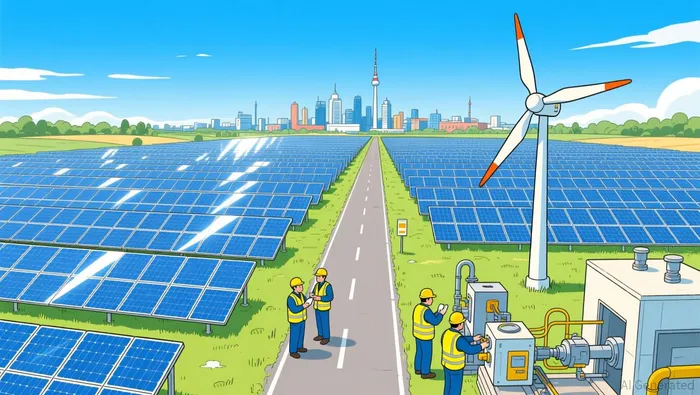 Infrastructure development emerged as a critical enabler of Germany's solar ambitions. The cement industry, which is expanding to meet demand from public infrastructure and energy transition projects, is expected to grow at a 5.7% CAGR through 2029 according to industry reports. This growth, driven by green cement innovations and decarbonization efforts, aligns with the federal government's 2045 net-zero target. However, the sector faces challenges such as energy cost volatility and regulatory compliance, underscoring the need for sustained investment in low-carbon technologies.
International collaboration also took center stage. German Environment Minister Carsten Schneider's recent discussions with Indian counterpart Bhupender Yadav on COP30 sidelines highlighted shared interests in renewable energy partnerships. Yadav emphasized potential cooperation in solar projects through platforms like the International Solar Alliance, reflecting Germany's growing openness to multilateral climate initiatives.
Despite these strides, ideological divides persist. Forum participants engaged in candid debates over the pace of Germany's energy transition, with some advocating for rapid phasing out of fossil fuels and others emphasizing the need for a balanced approach to ensure economic stability. These discussions mirrored broader European Union efforts to tighten trade policies with China, as Germany-a key EU economy -realigns its stance on geopolitical and economic security.
Looking ahead, innovation and digitalization are seen as cornerstones of Germany's solar future. The forum showcased advancements in energy management systems, storage solutions, and sustainable business models, with speakers emphasizing technology's role in reducing operational costs. As the sector navigates regulatory and market complexities, the SolarPlus Forum underscored that Germany's solar trajectory will depend on harmonizing policy, infrastructure, and international partnerships.

Stay ahead of the market.
Get curated U.S. market news, insights and key dates delivered to your inbox.






Comments
No comments yet