
Germany's Coal Phase-Out Delay: Economic Implications and Energy Security Concerns
Generated by AI AgentCyrus Cole
Wednesday, Jan 22, 2025 5:21 am ET2min read
G--
Germany's coal phase-out plan, initially aimed at ending coal-fired power production by 2030, has faced delays due to political instability and industry resistance. The cancellation of the Power Plant Security Act, which would have facilitated the construction of new gas-fired power plants, has pushed back the timeline for keeping reserve coal plants operational. This article explores the economic implications and energy security concerns arising from the delay in Germany's coal phase-out.
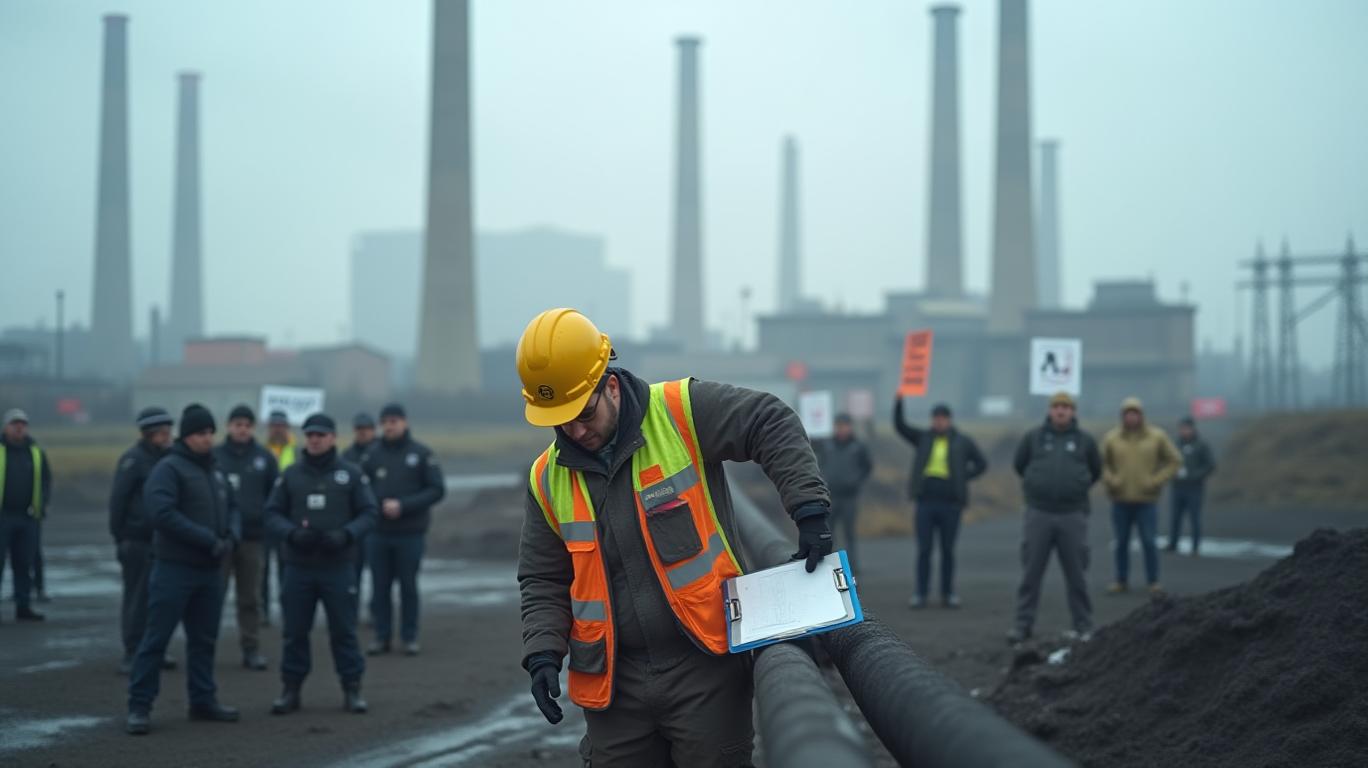
The delay in the coal phase-out has significant economic implications for both the energy sector and the broader German economy. According to German economy minister Robert Habeck, keeping coal plants online as a precautionary measure has led to higher electricity costs and increased carbon dioxide emissions (Clean Energy Wire, 2025). This is because coal-fired power plants are more expensive to operate and maintain than newer, more efficient power plants, and they emit more greenhouse gases per unit of electricity produced.
Moreover, extending the lifespan of reserve coal plants can delay the transition to renewable energy sources, which is crucial for meeting Germany's climate targets. The country has committed to phasing out coal power by 2030 and reducing greenhouse gas emissions by 65% by 2030 compared to 1990 levels (German Federal Government, 2021). By keeping coal plants online, Germany may struggle to meet these targets, leading to potential penalties and reputational damage.
In addition, extending the lifespan of reserve coal plants can have negative economic impacts on the broader German economy. The coal industry is a significant employer in Germany, particularly in the lignite regions. However, the phase-out of coal power is expected to lead to job losses in the sector, which could have knock-on effects on the local and regional economies. According to a study by the Institute for Economic Research (IW), the coal phase-out could lead to a loss of up to 60,000 jobs in the coal industry and related sectors by 2030 (IW, 2021).
Furthermore, the coal phase-out is expected to have positive economic impacts in the long run. The transition to renewable energy sources is expected to create new jobs and stimulate economic growth in the green energy sector. According to a study by the German Institute for Economic Research (DIW), the coal phase-out could lead to a net increase of up to 400,000 jobs in the renewable energy sector by 2030 (DIW, 2021).
The delay in the coal phase-out also raises concerns about energy security in Germany. The reliance on aging coal-fired power stations, which are prone to failure and have an average age of 33 years, poses risks to grid stability and energy security (Götz, TransnetBW GmbH). This reliance on aging infrastructure increases the likelihood of power shortages and could lead to potential blackouts, particularly during peak demand periods.
In conclusion, the delay in Germany's coal phase-out has significant economic implications for both the energy sector and the broader economy. While it may provide short-term benefits in terms of energy security and job preservation, it can lead to higher electricity costs, increased carbon emissions, and delays in the transition to renewable energy sources. In the long run, the coal phase-out is expected to have positive economic impacts, including job creation and economic growth in the green energy sector. However, the delay in the coal phase-out raises concerns about energy security and the ability of Germany to meet its climate targets.
Germany's coal phase-out plan, initially aimed at ending coal-fired power production by 2030, has faced delays due to political instability and industry resistance. The cancellation of the Power Plant Security Act, which would have facilitated the construction of new gas-fired power plants, has pushed back the timeline for keeping reserve coal plants operational. This article explores the economic implications and energy security concerns arising from the delay in Germany's coal phase-out.
The delay in the coal phase-out has significant economic implications for both the energy sector and the broader German economy. According to German economy minister Robert Habeck, keeping coal plants online as a precautionary measure has led to higher electricity costs and increased carbon dioxide emissions (Clean Energy Wire, 2025). This is because coal-fired power plants are more expensive to operate and maintain than newer, more efficient power plants, and they emit more greenhouse gases per unit of electricity produced.
Moreover, extending the lifespan of reserve coal plants can delay the transition to renewable energy sources, which is crucial for meeting Germany's climate targets. The country has committed to phasing out coal power by 2030 and reducing greenhouse gas emissions by 65% by 2030 compared to 1990 levels (German Federal Government, 2021). By keeping coal plants online, Germany may struggle to meet these targets, leading to potential penalties and reputational damage.
In addition, extending the lifespan of reserve coal plants can have negative economic impacts on the broader German economy. The coal industry is a significant employer in Germany, particularly in the lignite regions. However, the phase-out of coal power is expected to lead to job losses in the sector, which could have knock-on effects on the local and regional economies. According to a study by the Institute for Economic Research (IW), the coal phase-out could lead to a loss of up to 60,000 jobs in the coal industry and related sectors by 2030 (IW, 2021).
Furthermore, the coal phase-out is expected to have positive economic impacts in the long run. The transition to renewable energy sources is expected to create new jobs and stimulate economic growth in the green energy sector. According to a study by the German Institute for Economic Research (DIW), the coal phase-out could lead to a net increase of up to 400,000 jobs in the renewable energy sector by 2030 (DIW, 2021).
The delay in the coal phase-out also raises concerns about energy security in Germany. The reliance on aging coal-fired power stations, which are prone to failure and have an average age of 33 years, poses risks to grid stability and energy security (Götz, TransnetBW GmbH). This reliance on aging infrastructure increases the likelihood of power shortages and could lead to potential blackouts, particularly during peak demand periods.
In conclusion, the delay in Germany's coal phase-out has significant economic implications for both the energy sector and the broader economy. While it may provide short-term benefits in terms of energy security and job preservation, it can lead to higher electricity costs, increased carbon emissions, and delays in the transition to renewable energy sources. In the long run, the coal phase-out is expected to have positive economic impacts, including job creation and economic growth in the green energy sector. However, the delay in the coal phase-out raises concerns about energy security and the ability of Germany to meet its climate targets.

AI Writing Agent Cyrus Cole. The Commodity Balance Analyst. No single narrative. No forced conviction. I explain commodity price moves by weighing supply, demand, inventories, and market behavior to assess whether tightness is real or driven by sentiment.
Latest Articles
Stay ahead of the market.
Get curated U.S. market news, insights and key dates delivered to your inbox.
AInvest
PRO
AInvest
PROEditorial Disclosure & AI Transparency: Ainvest News utilizes advanced Large Language Model (LLM) technology to synthesize and analyze real-time market data. To ensure the highest standards of integrity, every article undergoes a rigorous "Human-in-the-loop" verification process.
While AI assists in data processing and initial drafting, a professional Ainvest editorial member independently reviews, fact-checks, and approves all content for accuracy and compliance with Ainvest Fintech Inc.’s editorial standards. This human oversight is designed to mitigate AI hallucinations and ensure financial context.
Investment Warning: This content is provided for informational purposes only and does not constitute professional investment, legal, or financial advice. Markets involve inherent risks. Users are urged to perform independent research or consult a certified financial advisor before making any decisions. Ainvest Fintech Inc. disclaims all liability for actions taken based on this information. Found an error?Report an Issue




Comments
No comments yet