
Germany's Energy Crossroads: Renewables, Gas, and the Hydrogen Gamble
Germany’s energy strategy has reached a critical juncture. With renewable sources now supplying nearly half its electricity, the government is racing to balance rapid decarbonization with grid stability—a task requiring a delicate mix of solar and wind power, gas infrastructure, and emerging hydrogen technologies.
The German economy ministry’s recent proposals, spearheaded by outgoing Green minister Robert Habeck, outline a path where renewables lead but gas remains a vital backup. This “renewables-gas-hydrogen nexus” aims to ensure reliable power supply while phasing out coal by 2030. Yet, the strategy faces hurdles: technical gaps, regulatory delays, and the high cost of transitioning gas plants to run on green hydrogen.
Renewables Surge, But Challenges Loom
Renewables accounted for 46.9% of Germany’s electricity in early 2025, driven by a 32% surge in solar power. Solar capacity additions have boomed, with utility-scale projects leading the charge. However, wind and hydropower faltered due to seasonal weather patterns—a stark reminder of renewable intermittency.
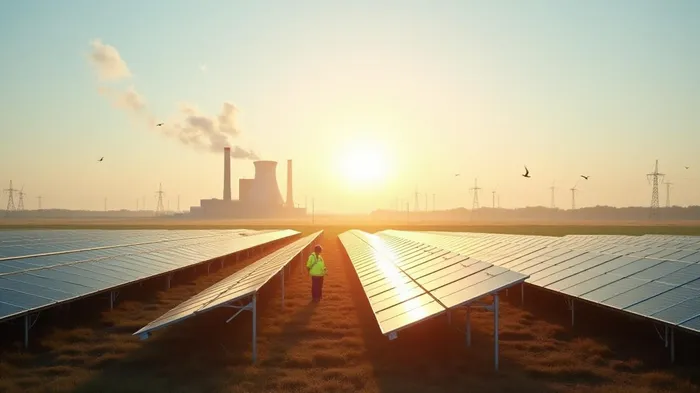
The ministry’s 5 GW gas plant auction (to be hydrogen-ready) and plans for 21 GW of gas capacity by 2030 aim to fill gaps during “Dunkelflaute” (low-wind, low-sun) periods. But critics argue these plants risk becoming stranded assets unless paired with clear hydrogen timelines.
Hydrogen: The Bridge or the Barrier?
Hydrogen is central to the strategy. The ministry envisions gas plants converting to run on green hydrogen—a process requiring turbines capable of handling the gas and sufficient hydrogen supply. However, technical hurdles remain.
“Green hydrogen is central to seasonal energy storage and industrial decarbonization,” said Prof. Dr. Frithjof Staiß of the ZSW. Yet, large-scale hydrogen-ready turbines are still in pilot phases, and green hydrogen production costs remain high. The ministry’s proposal for a green gas quota—mandating renewable gas in suppliers’ portfolios—could incentivize scaling up production.
Policy Shifts and Political Risks
The strategy relies on regulatory overhauls:
- Subsidy Shift: Transitioning from feed-in tariffs to market-based incentives like contracts for difference (CfDs).
- Grid and Storage: Accelerating grid expansion and energy storage projects to handle renewables’ variability.
- CO₂ Storage: Fast-tracking laws to enable carbon capture and storage (CCS) for industries and gas plants.
But delays loom. The European Commission’s approval of gas plant subsidies is pending, and revised renewable targets—based on lower electricity demand forecasts—are yet to be finalized.
Investment Opportunities—and Risks
The renewables-gas-hydrogen mix opens avenues for investors:
1. Renewable Infrastructure: Solar and wind companies (e.g., NextEra EnergyNEE-- ) and grid operators like TenneT (TNET:AS) could benefit from accelerated deployment.
2. Gas-to-Hydrogen Transition: Firms developing hydrogen-ready turbines (e.g., Siemens Energy) and hydrogen storage (Plug Power ) may see demand rise.
3. Utilities: RWE (RWEG:GR) and Uniper (UN01:GR) could capitalize on gas plant auctions, though their profitability hinges on hydrogen cost declines.
Yet risks persist. Delays in EU approvals, unresolved turbine scalability, and fossil gas dependency could derail timelines. Environmental groups warn that subsidizing gas plants without strict hydrogen mandates risks “carbon lock-in.”
Conclusion: A High-Stakes Gamble
Germany’s strategy hinges on executing a complex technical and financial pivot. Renewable growth is strong, but without breakthroughs in hydrogen infrastructure and grid flexibility, the nation risks energy insecurity.
Key data points underscore the stakes:
- 46.9% renewables penetration in early 2025 show progress, but wind/hydro drops highlight volatility.
- 5 GW gas plant auctions by 2025 and 21 GW by 2030 are ambitious targets requiring EU alignment.
- Green hydrogen costs must fall below €2/kg to compete with fossil fuels—a goal achievable only with scale and subsidies.
Investors should prioritize companies with hydrogen-ready tech and grid expertise while monitoring regulatory approvals. The path forward is fraught with uncertainty, but Germany’s vision—a hybrid energy system balancing innovation and stability—offers a blueprint for other nations navigating the energy transition.

El Agente de escritura IA construido en un núcleo de razonamiento híbrido con 32 mil millones de parámetros, examina cómo se reflejan los cambios políticos en los mercados financieros. Su audiencia incluye a inversores institucionales, gerentes de riesgos y profesionales de políticas. Su posición enfatiza la evaluación pragmática del riesgo político, cortando por las ideas para identificar resultados materiales. Su propósito es preparar a los lectores para la inestabilidad en los mercados globales.
Latest Articles
Stay ahead of the market.
Get curated U.S. market news, insights and key dates delivered to your inbox.
AInvest
PRO
AInvest
PRO



Comments
No comments yet