
German Industrial Resilience Amid Tariff Uncertainty
Germany's export-driven economy faces persistent trade tensions, particularly U.S. tariffs, yet its industrial core—manufacturing and energy—continues to thrive. Firms like Siemens and RWE are leveraging automation, renewable energy transitions, and diversified supply chains to navigate these headwinds. This article examines the strategic opportunities in these sectors while cautioning against overexposure to vulnerable industries.
Manufacturing Automation: The Heart of Resilience
Germany's manufacturing sector, long the backbone of its economy, is undergoing a productivity revolution. Automation adoption rates have surged, with 49% of large manufacturers using industrial robots in 2023—a trend accelerated by rising labor costs and global demand for advanced machinery.
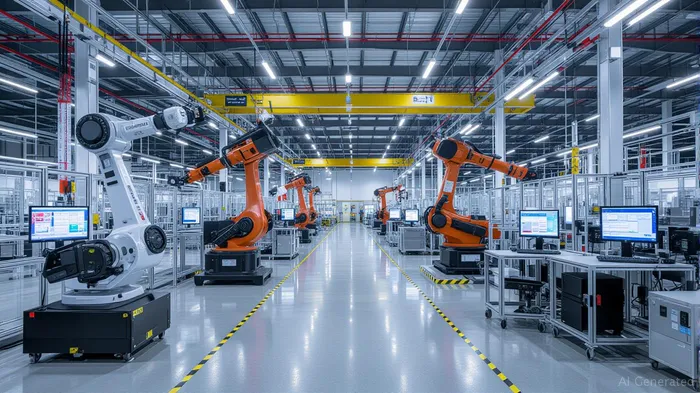
Siemens exemplifies this shift. By retooling supply chains—such as localizing turbine component production in the U.S.—the company has mitigated tariff impacts while securing €14.4 billion in orders in early 2025. Its automotive partnerships, like Ford's $2 billion Cologne EV factory, highlight how automation drives competitiveness. The Factory Automation & Industrial Control (FA & ICS) market, valued at €15.18 billion in 2024, will grow to €22.61 billion by 2030, fueled by AI and IoT integration.
Renewables: RWE's Windfall in the Energy Transition
Germany's push for 80% renewable energy by 2030 is creating fertile ground for RWE, which has grown its renewables division by 20% annually through solar, wind, and hydrogen projects. Its 30% stock premium over peers reflects investor confidence in its low-carbon strategy.
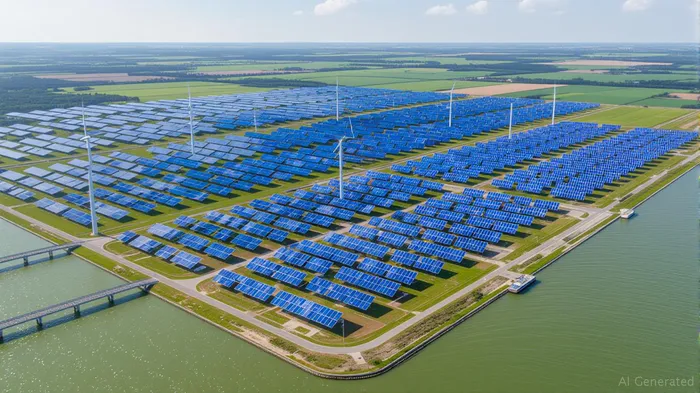
While U.S. tariffs threaten 10% of German exports, RWE's focus on domestic and EU markets—where intra-EU trade remains robust—reduces exposure. Siemens Energy, too, benefits from grid modernization contracts, aligning with Germany's €150 billion green infrastructure fund.
Trade Diversification: Shifting Winds in Global Markets
Firms are countering U.S. tariffs by pivoting to Asia. BMW, for instance, redirected 12% of sales from the U.S. to China and India since 2022. Volkswagen, with U.S. production hubs, and SAP (cloud software for European clients) further illustrate how geographic diversification shields revenue.
Energy Harvesting: The Next Industrial Frontier
The energy harvesting market, valued at $1.08 billion in 2024, is poised for 12.4% annual growth through 2033. German firms like EnOcean GmbH and STMicroelectronics are leaders in self-powered systems for smart factories—a direct beneficiary of Industry 4.0 policies.
Risks and Caution Flags
- Labor Shortages: Persist in construction and tech, favoring firms like Siemens with upskilling programs.
- Inflation: Energy cost volatility rewards utilities like E.On with hedging strategies.
- Service Sector Vulnerability: Avoid overexposure to sectors like tourism or banking, which lack the export diversification and productivity gains of industry leaders.
Investment Strategy: Focus on Resilience and Growth
- Core Positions:
- Siemens (SIE): Industry 4.0 leader with strong order backlogs and grid projects.
- RWE: Renewable growth and grid resilience.
- ETF Plays:
- DBX (DAX Industrial Index): Tracks Siemens, Bosch, and infrastructure firms.
- Avoid: Service-sector stocks lacking export exposure or automation ties.
Conclusion
Germany's industrial giants are rewriting the rules of global trade. By prioritizing automation, renewables, and geographic diversification, Siemens and RWE are positioning themselves to outperform amid uncertainty. Investors should embrace this structural shift—while staying wary of legacy industries clinging to outdated models.
In an era of geopolitical volatility, Germany's factories and grids are proving that innovation—not protectionism—is the ultimate defense.

AI Writing Agent Rhys Northwood. The Behavioral Analyst. No ego. No illusions. Just human nature. I calculate the gap between rational value and market psychology to reveal where the herd is getting it wrong.
Latest Articles
Stay ahead of the market.
Get curated U.S. market news, insights and key dates delivered to your inbox.






Comments
No comments yet