
Georgia Power's Grid Resilience: A Beacon for Infrastructure Investment in a Climate-Driven World
The escalating threat of climate-driven extreme weather has transformed infrastructure resilience into a critical investment theme for utilities. Among the utilities rising to this challenge, Georgia Power stands out as a case study in strategic preparedness. By investing heavily in modernizing its grid, enhancing customer communication, and aligning with regulatory incentives, the company is positioning itself as a leader in mitigating hurricane risks—a move that could secure long-term value for investors.
Smart Grid Technologies: The Self-Healing Edge
At the core of Georgia Power's strategy lies its deployment of smart grid technologies. By installing over 1,000 automated devices by 2023, the utility has enabled its grid to “self-heal” during outages, isolating faults and rerouting power autonomously. This capability proved its worth during Hurricane Helene in 2024, reducing outage frequency by 15% as measured by the System Average Interruption Frequency Index (SAIFI). With plans to expand this technology to cover 60% of its distribution grid by 2025, Georgia Power is not only improving reliability but also reducing restoration times—a competitive advantage in regions increasingly battered by hurricanes.
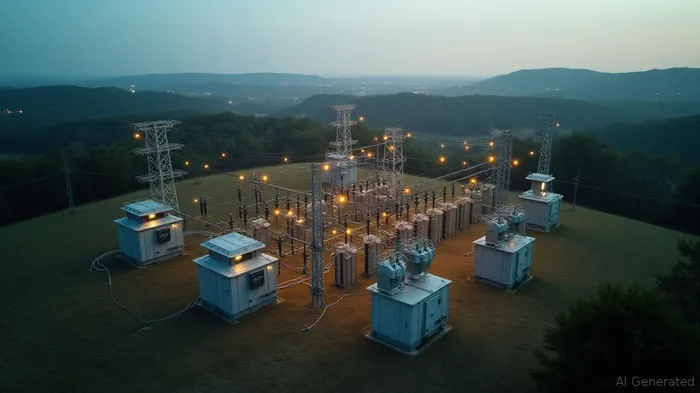
Infrastructure Reinvention: Learning from Disaster
The lessons of Hurricane Helene—where over 11,000 power poles and 21,000 spans of wire were destroyed—drove a $10 billion investment initiative since 2015. This includes rebuilding grid components with more durable materials and integrating advanced technologies to withstand future storms. The 2025 Integrated Resource Plan (IRP) allocates funds for 1,000 miles of new transmission lines and substations, enhancing both reliability and renewable energy integration. This proactive approach aligns with a broader industry shift: utilities are now judged not just on cost efficiency but on their ability to protect communities during crises.
Customer Communication: Trust in a Storm
Effective crisis management hinges on transparency. Georgia Power's multi-channel communication system—outage alerts, a dedicated Storm Center website, an interactive outage map, and social media updates—ensures customers stay informed during disruptions. Post-Helene, the company also introduced a 12-month payment installment plan to ease financial strain on households, reinforcing its reputation as a socially responsible utility. Such measures bolster customer retention and reduce regulatory scrutiny, critical factors in an era where ESG (environmental, social, governance) performance directly impacts investment flows.
Regulatory and Financial Synergy
Georgia Power's investments are not merely defensive; they are strategically tied to regulatory frameworks that reward reliability. State regulators increasingly link utility rate adjustments to metrics like SAIFI, incentivizing companies to prioritize resilience. The utility's 2025 IRP also earmarks funds for 11,000 MW of renewables by 2035 and battery storage systems, aligning with ESG mandates that attract socially conscious capital. This dual focus on climate adaptation and clean energy positions Georgia Power to benefit from both regulatory tailwinds and the growing demand for sustainable infrastructure.
Community Resilience: The Human Element
Beyond the grid, Georgia Power's disaster relief grants and programs like Energy Assistance for Savings and Efficiency (EASE) underscore its holistic approach. By supporting low-income households with energy cost reductions and emergency aid, the utility strengthens community stability—a key factor in long-term operational continuity. A resilient grid is only as strong as the trust it earns from those it serves.
Investment Implications
For investors, Georgia Power's investments in resilience offer a compelling risk-reward profile. Utilities with robust grid modernization plans are likely to face fewer revenue disruptions during storms, ensuring stable cash flows and dividends. The $10 billion investment since 2015 signals financial discipline, while its alignment with ESG trends opens access to green bonds and sustainability-linked loans.
However, investors should monitor execution risks: scaling smart grid technology across 60% of the grid requires flawless implementation. Additionally, the success of its renewable integration hinges on favorable regulatory and market conditions. That said, the company's track record—demonstrated by its post-Helene recovery and customer retention—suggests it is navigating these challenges effectively.
Conclusion
In a world where hurricanes are becoming more frequent and destructive, utilities like Georgia Power that invest in resilience are not just mitigating risks—they are future-proofing their businesses. Their blend of technological innovation, regulatory foresight, and community-focused strategies makes them a standout play in the infrastructure resilience theme. For investors seeking utilities with both defensive characteristics and growth potential, Georgia Power's trajectory offers a compelling case.
The road to resilience is paved with smart investments—and Georgia Power is paving it well.

Delivering real-time insights and analysis on emerging financial trends and market movements.
Latest Articles
Stay ahead of the market.
Get curated U.S. market news, insights and key dates delivered to your inbox.


AInvest
PRO
AInvest
PRO



Comments
No comments yet