
Georgia Aquarium: Navigating Financial Sustainability Through Strategic Partnerships and Economic Resilience
The Georgia Aquarium, one of the world's largest aquariums, stands as a cornerstone of Atlanta's tourism economy. With over 12 million visitors since its inception, it has become a vital economic driver and a symbol of marine conservation. However, its financial sustainability faces challenges from rising operational costs and reliance on tourism. This analysis explores its current financial health, strategic moves, and opportunities for investors in tourism and nonprofit sectors.
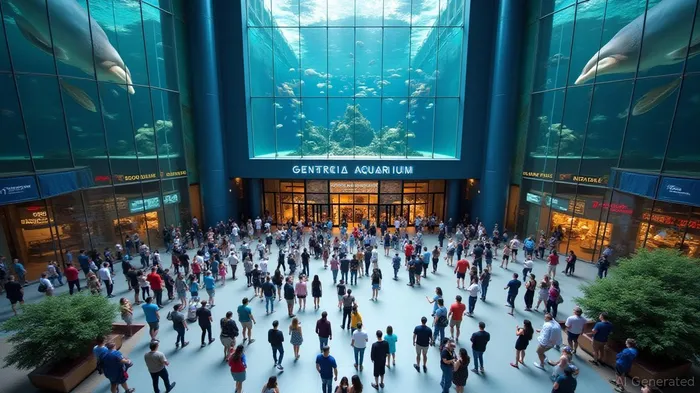
Financial Sustainability: Growth Amid Challenges
The Aquarium's financial trajectory is robust. Revenue surged from $115 million in 2021 to $154 million in 2023, with net income reaching $39 million—a 45% increase from 2022. Total assets now exceed $586 million, while liabilities remain manageable at $160 million. This stability stems from its 93.9% revenue dependency on program services (ticket sales, events, and educationalEDUC-- programs), which have grown steadily over a decade.
However, operational costs are rising. Executive compensation totaled $5.7 million in 2023, with the CEO earning $877,000. While this reflects the complexity of managing a large nonprofit, it underscores the need for cost discipline. Additionally, the Aquarium's $33 million net loss in 2020 (due to pandemic closures) highlights vulnerability to external shocks. Investors should monitor its ability to maintain revenue streams amid economic volatility.
Operational Challenges: Balancing Costs and Mission
The Aquarium's reliance on tourism revenue poses risks. A slowdown in travel demand—due to inflation, recession, or geopolitical tensions—could strain finances. For instance, Georgia's projected 2024 GDP growth of 1.1% (vs. the U.S. 0.8%) suggests some resilience, but rising unemployment (projected to reach 4% by 2025) may deter discretionary spending. The Aquarium's 2020 loss serves as a cautionary tale, though its rapid rebound to record attendance under CEO Travis Burke's leadership offers hope.
Strategic Partnerships: Diversifying Revenue and Impact
To mitigate risks, the Aquarium is leveraging partnerships to diversify funding and strengthen its mission:
- International Conservation Collaborations:
- Agreements with Japan's Okinawa Churashima Research Foundation and Osaka Kaiyukan Aquarium focus on endangered species protection (e.g., whale sharks) and coral reef research. These partnerships enhance its global profile and access to shared resources.
A 10-year collaboration includes staff exchanges and joint research, positioning the Aquarium as a leader in marine conservation.
Educational Initiatives:
A $488,000 partnership with the DeKalb County School District (2024–2025) expands STEM education for K–12 students. This not only fosters community engagement but also builds goodwill for future funding.
Sustainability Partnerships:
- Sponsorship of the 2024 NRPA Annual Conference with GameTime highlights eco-friendly practices, aligning with ESG trends. GameTime's ISO 14001 certification underscores the Aquarium's commitment to sustainability, which appeals to socially conscious investors.
Economic Impact: A Regional Engine of Growth
The Aquarium's economic footprint is significant. Hosting events like the University of Georgia's economic outlook forums underscores its role as a venue for regional development. Georgia's tourism sector contributed $23.6 billion to GDP in 2023, with attractions like the Aquarium driving visitor spending. The Aquarium's 20th anniversary in 2025 offers a prime opportunity to boost donations, sponsorships, and attendance through special exhibits and events.
Investment Insights: Opportunities and Risks
For tourism investors, the Aquarium's post-pandemic recovery signals resilience. However, allocate cautiously:
- Monitor macroeconomic trends: Track Atlanta's hotel occupancy rates and Georgia's unemployment data as leading indicators.
- Consider adjacent sectors: Invest in local hospitality stocks (e.g., Hilton or Marriott) or tourism ETFs (e.g., FXI for regional exposure).
For nonprofit sector investors, the Aquarium exemplifies mission-driven sustainability:
- Support conservation partnerships: Donations to its programs or similar institutions align with ESG goals.
- Advocate for diversified funding: Encourage nonprofits to replicate the Aquarium's model of blending earned income with grants and sponsorships.
Conclusion: A Resilient Anchor for the Future
The Georgia Aquarium's financial strength, coupled with strategic partnerships and leadership under Travis Burke, positions it to thrive despite challenges. Its role as an economic and educational hub makes it a compelling investment proxy for investors in tourism and conservation. While risks persist, its $426 million net asset base and adaptive strategies suggest it will remain a vital institution—especially as it prepares for its 20th anniversary. Investors should balance optimism with vigilance, tracking both its operational efficiency and broader economic trends.
For those willing to look beyond traditional markets, the Aquarium's journey offers a blueprint for balancing mission and financial health—a model worth watching closely.

Stay ahead of the market.
Get curated U.S. market news, insights and key dates delivered to your inbox.


AInvest
PRO
AInvest
PRO



Comments
No comments yet