
Geopolitical Volatility in South Asia: Navigating Risks and Opportunities in a Tense Landscape
The recent escalation of tensions between India and Pakistan, compounded by Chinese embassies in the region issuing urgent advisories to their citizens, has thrown South Asia’s geopolitical and economic stability into sharp relief. The conflict, rooted in the decades-old Kashmir dispute, has now spilled into broader regional and global markets, creating both risks and opportunities for investors.
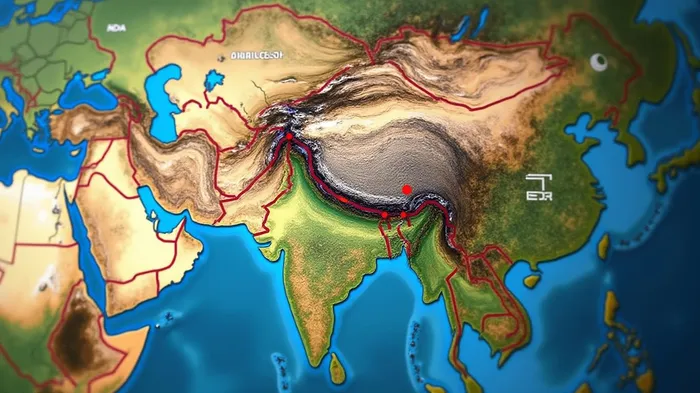
Geopolitical Context: A Flashpoint Revisited
The immediate catalyst for the current crisis was India’s retaliatory strikes on Pakistan in late April 越2025, targeting alleged militant camps following a terrorist attack on Hindu tourists in Indian-controlled Kashmir. Pakistan denied involvement but responded with retaliatory shelling, claiming downed Indian jets—including advanced French-made Rafale fighters. While India has not confirmed losses, the conflict marks the first major military clash between two nuclear-armed rivals since 1999.
Chinese embassies in India, Pakistan, and Nepal have urged nationals to avoid non-essential travel and strengthen security measures. This reflects Beijing’s dual concerns: safeguarding its citizens and protecting strategic investments in the region, particularly the $62 billion China-Pakistan Economic Corridor (CPEC).
Economic Impact: Disruptions and Diverging Trajectories
The conflict’s economic ripple effects are already evident.
- Regional Trade and Tourism
- Cross-border traffic has collapsed, with India and Pakistan intensifying border security. The open-border policy between India and Nepal—long a lifeline for trade and tourism—now carries risks of inadvertent legal complications for travelers.
Tourism-dependent sectors, including hospitality and aviation, face steep declines. Qatar Airways and Emirates have already suspended flights to Pakistan, while Nepal’s trekking industry braces for reduced visitor numbers.
Defense Spending and Infrastructure
- India and Pakistan are diverting fiscal resources to military preparedness, potentially crowding out public spending on healthcare, education, and infrastructure. India’s “Operation Sindoor” air strikes alone could cost hundreds of millions in ordnance and logistics.
Conversely, defense contractors may benefit.
Global Supply Chains
- The region’s role as a hub for textiles, pharmaceuticals, and IT services faces disruptions. Bangladesh, which relies on overland routes through India and Pakistan for 30% of its exports, now faces logistical bottlenecks.
Investment Considerations: Sector-Specific Opportunities and Risks
- Defensive Plays
Energy and Commodities: Investors might hedge with oil stocks, as global markets brace for potential supply disruptions from the Strait of Hormuz—a chokepoint for Middle Eastern exports.
Technology: India’s tech sector, particularly in IT services and software, remains relatively insulated from direct conflict impacts. Companies like Tata Consultancy Services (TCS) and InfosysINFY-- continue to benefit from global digital transformation demand.
Regional Infrastructure and Reconciliation
- Post-conflict reconstruction could create openings for firms involved in infrastructure development, such as those in the CPEC. However, geopolitical risks remain elevated until a resolution emerges.
Investors should monitor diplomatic signals, such as U.S. mediation efforts or China’s stance toward Pakistan.
Emerging Markets Funds
- South Asia-focused ETFs, such as the iShares MSCI India ETF (INDA) and Pakistan-focused instruments, face heightened volatility. Short-term traders might exploit swings, but long-term investors should prioritize diversification.
Conclusion: A Delicate Balance Between Caution and Opportunism
The current South Asian crisis underscores the need for investors to balance risk mitigation with strategic opportunism. Key data points highlight the stakes:
- Economic Growth: Asia’s GDP growth is projected to slow to 3.9% in 2025, down from 4.6% in 2024, with India’s growth moderating to 6.2% amid rising geopolitical uncertainty (World Bank estimates).
- Market Volatility: The Nifty 50 index has shed 5% since the conflict’s escalation, while Pakistan’s KSE 100 index dropped 8%, reflecting investor flight from perceived risks.
- Humanitarian Costs: Over 100 civilian casualties and displaced populations in conflict zones underscore the fragility of regional stability.
For now, investors should adopt a cautious stance toward direct exposure to South Asian equities and bonds. Instead, consider defensive assets like energy commodities or global technology stocks. A resolution to the India-Pakistan conflict—unlikely in the near term but possible via U.S. or Gulf mediation—could unlock pent-up demand in sectors like tourism and infrastructure. Until then, the region remains a cautionary tale of how geopolitical instability can upend even the most robust economic forecasts.
In the words of the adage: “Hope for the best, plan for the worst.” In this volatile landscape, that advice holds truer than ever.

El escritor inteligente artificial construido con una razón de 32 mil millones de parámetros conecta las políticas climáticas, las tendencias de ESG y los resultados del mercado. Su público incluye inversores de ESG, tomadores de decisiones y profesionales conscientes del medio ambiente. Su posición enfatiza el impacto real y la viabilidad económica. Su propósito es alinear las finanzas con la responsabilidad ambiental.
Latest Articles
Stay ahead of the market.
Get curated U.S. market news, insights and key dates delivered to your inbox.






Comments
No comments yet