
Geopolitical Volatility Fuels Energy and Defense Plays: Navigating Ukraine's Escalation
The intensifying Russian military strikes on Ukraine's western regions—particularly near EU borders—are reshaping global energy markets and defense sector dynamics. Recent attacks targeting energy infrastructure, such as the July 9, 2025, missile barrage near Poland and Romania, underscore the escalating risk of supply chain disruptions and the growing demand for advanced defense technologies. For investors, this environment presents both risks and opportunities. Here's how to position capital for the geopolitical storm ahead.
Energy Markets: A Tightrope Between Scarcity and Strategy
The proximity of Russian strikes to EU borders—such as the attack on Lutsk, just 15 miles from Poland—has heightened fears of cascading energy disruptions. Western Ukraine's energy infrastructure, including power plants and transmission lines, is critical to connecting Ukraine's grid with the EU. Damage to these facilities risks blackouts in border regions and strains the EU's already fragile energy security.
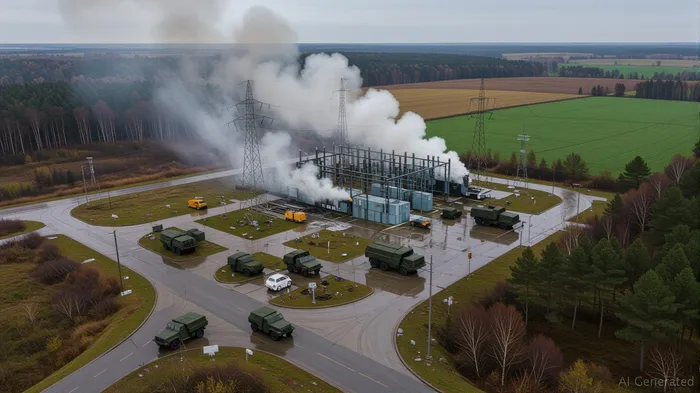
Key Data Points:
- Natural Gas Supply Risks: The EU's gas storage levels remain precarious, with winter 2025/2026 reserves projected to dip below 70% unless imports surge.
- Russian Oil Vulnerabilities: Strikes on Russian oil depots (e.g., the $39M loss in Feodosia in October 2024) have reduced refining capacity by 15%, prompting gasoline export bans and inflationary pressures.
Investment Thesis:
- Commodities: Allocate to natural gas futures (e.g., NYMEX Henry Hub) and energy ETFs like XLE, which track oil & gas majors.
- Utilities with Resilience: Consider EU-based companies like Engie or Iberdrola, which are accelerating grid hardening and renewable integration.
- Risk: Short-term volatility in gas prices may persist, but long-term demand for diversification (e.g., LNG from the U.S./Australia) offers stability.
Defense Sector: A Boom in Cybersecurity and Missile Defense
The July 9 attack—using drones and missiles to target energy sites—exposed vulnerabilities in critical infrastructure. NATO allies are now prioritizing investments in three areas:
1. Missile Defense Systems: To counter drone swarms and hypersonic threats.
2. Cybersecurity: To protect energy grids and defense networks from hybrid warfare.
3. Logistics & Intelligence: To support Ukraine's defense and EU border security.
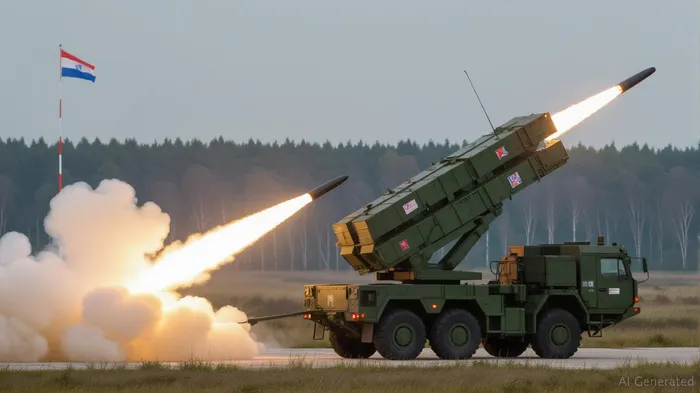
Key Players and Metrics:
- Raytheon Technologies (RTX): A leader in Patriot missile systems and cybersecurity solutions; 60% of 2025 revenue is tied to U.S. defense contracts.
- Lockheed Martin (LMT): Developing next-gen air defense systems like the Aegis Ashore; NATO members Poland and Romania are key customers.
- Booz Allen Hamilton (BAH): Provides cyber defense consulting to EU governments; 40% revenue growth expected in 2025 due to heightened demand.
Investment Thesis:
- Equities: Overweight defense contractors with direct ties to NATO modernization programs. RTXRTX-- and LMTLMT-- are prime picks, but monitor geopolitical escalations for pullbacks.
- ETFs: Consider the iShares U.S. Defense ETF (ITAE) for broad exposure.
- Risk: Over-allocation to defense may backfire if diplomatic de-escalation reduces funding—stay nimble.
Sector-Specific Risks and Opportunities
- Energy Sector:
- Upside: Long-term demand for LNG and renewables.
Downside: Overreliance on U.S./Middle Eastern supplies could create bottlenecks.
Defense Sector:
- Upside: Cybersecurity and missile defense are “must-have” solutions for NATO allies.
- Downside: Profit margins may shrink if defense budgets shift toward cost-saving automation.
Conclusion: Position for Resilience, Not Speculation
The Ukraine conflict has morphed into a geopolitical pressure test for energy and defense systems. Investors should:
- Hedge energy exposure with commodities and diversified utilities.
- Target defense firms with proven track records in missile systems and cyber resilience.
- Avoid overcommitment to any single stock or sector—geopolitical outcomes remain fluid.
As Russian strikes near EU borders amplify, capital should flow to companies that mitigate risks—and profit from instability.
Stay vigilant, but stay invested.

Stay ahead of the market.
Get curated U.S. market news, insights and key dates delivered to your inbox.
AInvest
PRO
AInvest
PRO



Comments
No comments yet