
Geopolitical Uncertainty and Commodity Markets: Distinguishing Between Supply Shocks and Demand Uncertainty
 Aime Summary
As an investor, understanding how global events impact financial markets is essential for making informed decisions. One area where this is especially true is the relationship between geopolitical uncertainty and commodity markets. While both supply shocks and demand uncertainty can cause market volatility, they differ in cause, effect, and how investors can respond.
What Are Supply Shocks and Demand Uncertainty?
A supply shock is an unexpected event that disrupts the supply of a commodity, such as oil, gas, or agricultural products. These events can be geopolitical in nature—such as a war, trade embargo, or sanctions—or natural, like a hurricane or drought. Supply shocks tend to cause sharp price increases due to sudden shortages. For example, when a major oil-producing country experiences political instability, the global supply of oil may drop, leading to higher prices.
On the other hand, demand uncertainty refers to unpredictable shifts in consumer or industrial demand for a commodity. This might happen due to a global economic slowdown, changes in consumer behavior, or policy changes. Unlike supply shocks, demand uncertainty can lead to price declines if investors expect lower consumption.
How These Concepts Affect the Market
When a supply shock occurs, commodity prices tend to rise quickly. This often leads to inflationary pressure and shifts in investor behavior. For example, investors may shift funds to energy or agriculture stocks or buy physical commodities like gold as a hedge against inflation.
Demand uncertainty, however, tends to lead to more cautious market behavior. Investors may sell off positions in commodity-related stocks, anticipating weaker future earnings. In contrast to a supply shock, this can lead to a bearish market sentiment.
Real-Life Example: The 2022 Russia-Ukraine War
A recent example of geopolitical uncertainty impacting commodity markets is the 2022 Russia-Ukraine war. Russia and Ukraine are major producers of wheat, sunflower oil, and natural gas. The war caused a supply shock, leading to a surge in global wheat and oil prices. 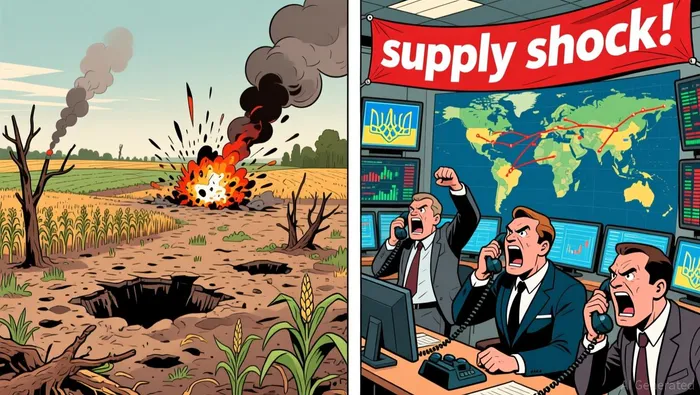 At the same time, the uncertainty around global demand—due to the war's economic impact and energy transition efforts—created demand uncertainty, making market predictions more complex.
For investors, this mix of factors created both opportunities and risks. Those who understood the difference between a supply shock and demand uncertainty could make more informed decisions—such as hedging with energy ETFs or investing in alternative energy producers.
Risks and Considerations
At the same time, the uncertainty around global demand—due to the war's economic impact and energy transition efforts—created demand uncertainty, making market predictions more complex.
For investors, this mix of factors created both opportunities and risks. Those who understood the difference between a supply shock and demand uncertainty could make more informed decisions—such as hedging with energy ETFs or investing in alternative energy producers.
Risks and Considerations
While geopolitical events can present investment opportunities, they also carry risks. Prices can be volatile, and it's difficult to predict the duration of supply or demand imbalances. Additionally, investing in commodities can be more speculative than buying stocks or bonds.
To manage these risks, investors should: - Diversify their portfolios to avoid overexposure to a single commodity or region. - Stay informed about global events that may impact supply and demand. - Use stop-loss orders or options to protect against sudden price swings. - Avoid making investment decisions based solely on short-term news without considering long-term trends.
Conclusion
Understanding the difference between supply shocks and demand uncertainty is crucial for investors navigating commodity markets during times of geopolitical uncertainty. By recognizing these factors, investors can better anticipate market movements, manage risk, and make more informed decisions. Whether it's a war in the Middle East or trade tensions between global powers, knowing how to distinguish between these market drivers can help you stay ahead in the ever-changing world of investing.

Stay ahead of the market.
Get curated U.S. market news, insights and key dates delivered to your inbox.


AInvest
PRO
AInvest
PRO



Comments
No comments yet