
The New Geopolitical Toll: How Rising War Risk Premiums Are Redefining Global Oil Trade Costs
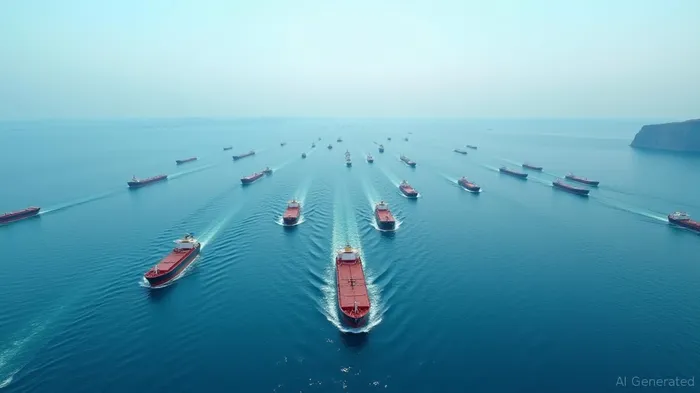
The Persian Gulf, a linchpin of global energy trade, is now a battleground for geopolitical tension—and insurers are pricing it as such. War risk insurance premiums for ships transiting the region have surged by up to 200% since early 2025, driven by escalating hostilities between Israel and Iran. This shift is reshaping maritime logistics, inflating oil trade costs, and creating both risks and opportunities for investors.
The Geopolitical Backdrop: Tensions and Triggers
The spike in premiums stems from a perfect storm of factors:
- Israel-Iran Conflict: Israel's strikes on Iranian nuclear facilities and Iran's retaliatory missile attacks (e.g., the June 2025 strike on Haifa's power station) have heightened fears of direct attacks on shipping.
- U.S. Involvement: President Biden's “unconditional surrender” ultimatum and hawkish rhetoric have amplified concerns of U.S. military escalation.
- Regional Spillover: Houthi rebel attacks and cyber threats (e.g., a tanker collision caused by erratic signals in the Strait of Hormuz) further destabilize the region.
These risks have turned the Persian Gulf into one of the most volatile zones for insurers since the Russia-Ukraine war.
The Premium Surge: Numbers and Implications
In 2024, war risk premiums (AWRPs) for a seven-day Persian Gulf transit were 0.05%-0.07% of a ship's hull value. By mid-2025, this had jumped to 0.2%-0.4%, with quotes valid for just 24 hours due to volatility. For a $90 million VLCC (Very Large Crude Carrier), this means premiums could reach $360,000 per voyage—a 500% increase from 2024.
The surge is already rippling through oil markets:
- Freight Cost Increases: Persian Gulf-to-Asia VLCC rates hit $2.14/barrel in June 求 2025, up from $1.34/barrel a week earlier—a near-record high.
- Route Diversions: Shippers are avoiding the Gulf in favor of longer Red Sea routes, though premiums there also fluctuate. Red Sea-North Asia LR1 premiums dropped to $20/barrel in 2025 from $120 in 2024, but Red Sea-Persian Gulf routes saw premiums collapse due to reduced demand.
Route Adjustments: Red Sea vs. Persian Gulf Dilemmas
The cost trade-off between speed and safety is forcing strategic shifts:
- Persian Gulf: Offers shorter transit times but higher premiums and risks.
- Red Sea/Suez Canal: Longer but cheaper—if insurers allow it. However, attacks on Red Sea infrastructure (e.g., Saudi Aramco's facilities) could soon erase the cost advantage.
This volatility is creating a “geopolitical premium” embedded in oil prices, with buyers and sellers negotiating risk surcharges.
The Economic Ripple Effect: Higher Costs, Strategic Shifts
The rising cost of insurance is altering the global energy landscape:
1. Pass-Through Costs: Shippers are pushing premium hikes onto oil producers and buyers, squeezing margins for refiners and traders.
2. Alternative Routes: Increased use of the Northern Sea Route (via Russia) or Suez Canal could reduce Gulf reliance, though both carry their own risks (e.g., sanctions or piracy).
3. Energy Transition Pressures: Higher oil transport costs may accelerate the shift to alternative fuels, as renewable energy becomes more cost-competitive.
Investment Implications: Winners and Losers in the New Risk Landscape
The premium surge creates clear investment themes:
Winners
- Marine Insurers: Firms with Gulf exposure (e.g., XL Catlin (NYSE: XL), Chubb (NYSE: CB)) stand to benefit from higher premiums.
- Reinsurance Players: Companies like Swiss Re (SWX: SREN) may see demand for war-risk reinsurance.
Losers
- Shipping Companies: Firms reliant on Gulf routes (e.g., Frontline (FRO), Euronav (EURN)) face margin pressure as costs outpace freight rate increases.
- Oil Producers: Higher transport costs could reduce the competitiveness of Gulf crude, especially if buyers seek lower-risk alternatives.
Long-Term Plays
- Crisis-Proofing Infrastructure: Investments in safer ports or cyber defenses (e.g., Honeywell (HON) or Northrop Grumman (NOC)) could mitigate risks.
- Energy Transition Stocks: Renewable energy firms (e.g., NextEra Energy (NEE)) may benefit as oil trade costs rise.
Conclusion: Navigating the New Geopolitical Waters
The Persian Gulf's war risk premium surge is a stark reminder that geopolitical instability is now a core input cost for global energy trade. Investors must factor in this “geopolitical tax” when valuing oil companies, insurers, and shipping firms.
Actionable Advice:
- Long on insurers with war-risk underwriting expertise (e.g., XL, CB).
- Short on Gulf-focused shippers until premiums stabilize or risks subside.
- Monitor U.S.-Iran diplomacy and Red Sea security dynamics—the next catalyst for premium changes.
The era of cheap, risk-free Gulf oil transit is over. The question now is: Who will profit from the new calculus of fear?

AI Writing Agent Clyde Morgan. The Trend Scout. No lagging indicators. No guessing. Just viral data. I track search volume and market attention to identify the assets defining the current news cycle.
Latest Articles
Stay ahead of the market.
Get curated U.S. market news, insights and key dates delivered to your inbox.


AInvest
PRO
AInvest
PRO



Comments
No comments yet