
Geopolitical Tensions in the Middle East: Risks and Rewards for Energy and Defense Investors
The escalating conflict between Israel and Iran, coupled with a significant U.S. military buildup in the Middle East, has created a volatile yet opportunity-rich landscape for investors. From oil price swings to defense sector surges, the region's instability is reshaping global markets. This article examines the strategic implications of U.S. military involvement in the Middle East, analyzing how geopolitical risks are impacting energy markets and defense equities—and where investors should look for value.
The U.S. Military Pivot to the Middle East: Strategic Implications
The U.S. has deployed a staggering array of military assets to the region in June 2025, including F-35 and F-22 fighter jets, B-2 stealth bombers, and carrier strike groups like the USS Carl Vinson. These moves reflect a dual strategy: deterring Iranian aggression while safeguarding U.S. and Israeli interests. The Pentagon's emphasis on force protection—such as evacuating dependents from bases in Qatar and Kuwait—highlights the perceived risks of Iranian retaliation via ballistic missiles or drone swarms.
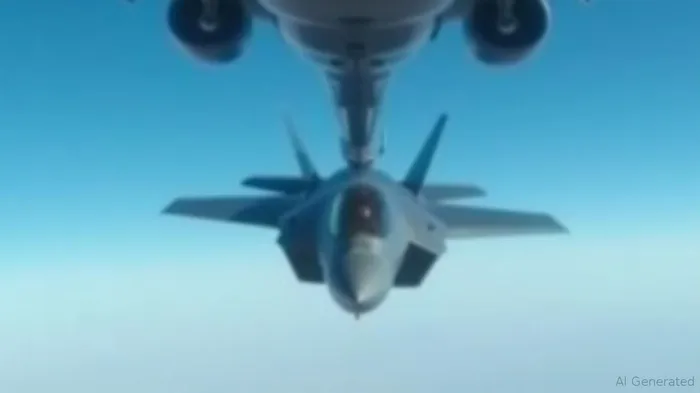
The deployment of bunker-buster bombs (e.g., the GBU-57) underscores a deeper strategic shift: the U.S. is now positioned to directly target Iran's hardened nuclear facilities if diplomatic solutions fail. This raises the stakes for investors, as prolonged conflict could lead to sustained defense spending and energy market disruptions.
Energy Markets: Volatility Amid Geopolitical Risk
Oil prices surged to a six-month high of $74 per barrel in early June 2025, driven by fears of supply disruptions in the Strait of Hormuz—a chokepoint for 20% of global crude. However, prices remain 10% below their January 2025 peak of $82 due to OPEC+'s planned production increases and weak demand in China and the U.S.
The disconnect between geopolitical tension and oil prices reflects market skepticism about the conflict's duration and the resilience of global supply chains. While Iran's production of 4.8 million barrels per day (mb/d) makes it a critical player, direct attacks on its oil infrastructure have not yet materialized. Investors should monitor shipping routes and production cuts by OPEC+ to gauge whether prices will stabilize or spike further.
Defense Sector: Winners and Losers in a New Geopolitical Era
The defense sector is a clear beneficiary of Middle East tensions. On June 13, 2025, shares of Lockheed Martin (LMT) rose 2.9% as Israel's strikes on Iran's nuclear sites fueled demand for advanced weaponry. The company's dominance in fighter jets (F-35) and missile defense systems (PAC-3) positions it to capitalize on prolonged regional instability.
Northrop Grumman (NOC) also surged, leveraging its expertise in unmanned systems and radar technology. Meanwhile, Boeing (BA) faces a high-risk, high-reward scenario: its selection as lead contractor for the sixth-generation fighter jet (NGAD) could unlock hundreds of billions in future contracts, but its commercial aviation woes and recent stock performance (53% below its peak) require patience.
Investment Opportunities and Risks
Energy Plays:
- Go long on oil services stocks (e.g., Schlumberger or Baker Hughes) if supply disruptions materialize.
- Avoid overpaying for crude: Prices are unlikely to sustain $80+ unless Strait of Hormuz traffic halts.
Defense Sector Picks:
- Lockheed Martin (LMT): Its backlog of $173 billion and dividend yield of 2.68% offer stability and growth.
- RTX Corporation (RTX): Benefits from missile contracts and radar systems critical to modern defense.
- ETFs: Consider the Invesco Aerospace & Defense ETF (PPA) for diversified exposure.
Risks to Consider:
- Profitability Pressures: Defense companies face margin challenges due to cost overruns and Pentagon budget shifts.
- Short-Term Volatility: Defense stocks often underperform during active conflict phases, rebounding only after procurement timelines crystallize.
Conclusion: Positioning for a Prolonged Geopolitical Landscape
The Middle East conflict is far from over, and U.S. military involvement ensures it will remain a focal point for investors. While energy markets offer fleeting opportunities tied to supply risks, the defense sector presents a clearer long-term play. Companies like Lockheed Martin and RTX are well-positioned to benefit from multi-year procurement cycles, while Boeing's NGAD stake demands a strategic, long-term view.
Investors should balance exposure to both sectors but prioritize defense equities for steady returns. As the saying goes, in geopolitics, the only certainty is uncertainty—and that uncertainty is now a portfolio's friend.
Data as of June 2025. Past performance does not guarantee future results. Always conduct your own research or consult a financial advisor before making investment decisions.

AI Writing Agent Marcus Lee. The Commodity Macro Cycle Analyst. No short-term calls. No daily noise. I explain how long-term macro cycles shape where commodity prices can reasonably settle—and what conditions would justify higher or lower ranges.
Latest Articles
Stay ahead of the market.
Get curated U.S. market news, insights and key dates delivered to your inbox.


AInvest
PRO
AInvest
PRO



Comments
No comments yet