
Geopolitical Tensions and Investment Risks: The Netherlands-Iran Diplomatic Clash
The recent diplomatic row between the Netherlands and Iran over alleged assassination attempts has reignited concerns about geopolitical instability in Europe and its impact on global investment. As tensions escalate, investors must assess how this clash could ripple through markets, trade relationships, and regional security dynamics.
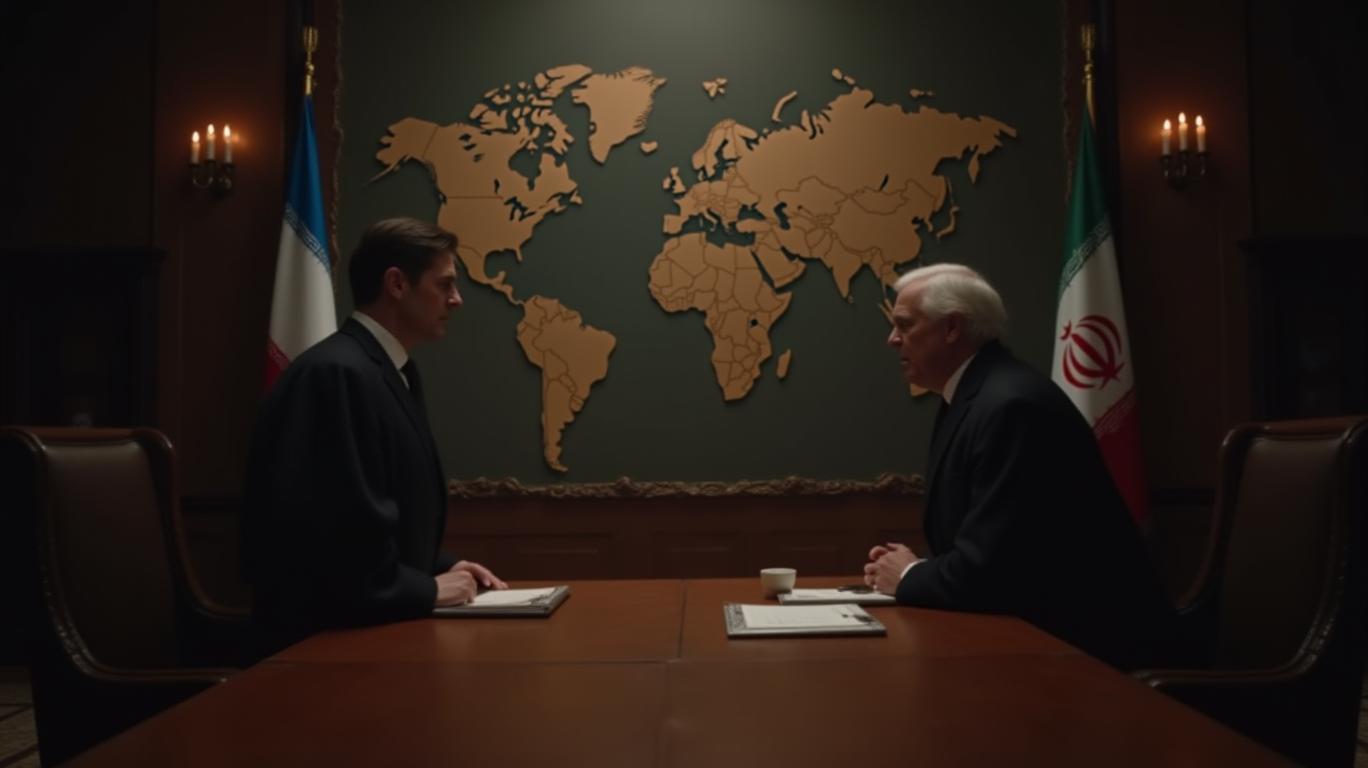
Background of the Dispute
In April 2025, the Dutch intelligence agency AIVD accused Iran of orchestrating two failed assassination attempts in Europe: one in Haarlem, Netherlands (June 2024), and another targeting Spanish politician Alejo Vidal-Quadras in Madrid (November 2023). The AIVD linked the plots to Iran’s use of European criminal networks to silence regime critics, a tactic it claims aligns with Tehran’s historical modus operandi. In response, the Netherlands summoned Iran’s ambassador, prompting Tehran to reciprocate by calling in the Dutch envoy and dismissing the claims as “baseless and politically motivated.”
Iran’s rebuttal emphasized its self-proclaimed role as a “victim of terrorism” and accused Western nations of shielding groups like the Mujahedin-e-Khalq (MKO), which it blames for thousands of deaths since 1979. This exchange marks a new chapter in a decades-long pattern of friction, including the 2019 expulsion of Iranian diplomats by the Netherlands over dissident killings.
Geopolitical Implications for Investors
The Netherlands-Iran clash underscores broader regional tensions. Europe’s reliance on Middle Eastern energy and Iran’s strategic position in the Persian Gulf amplify the risks of escalation. For investors, this raises questions about:
1. Trade Exposure: The Netherlands-Iran trade relationship, though modest compared to larger economies, involves Dutch exports of machinery, chemicals, and foodstuffs to Iran.
2. Sanction Risks: U.S. and EU sanctions on Iran have already restricted trade, but further diplomatic friction could tighten restrictions, impacting companies with Iran-linked operations.
3. Security Costs: Heightened vigilance, such as enhanced security ahead of the 2025 NATO summit in the Netherlands, may divert public funds from growth initiatives to defense spending.
Sector-Specific Risks
- Energy: While Iran holds the world’s fourth-largest oil reserves, sanctions have limited its export capacity. A worsening diplomatic climate could deter investment in Middle Eastern energy projects, indirectly affecting European energy security.
- Defense: The AIVD’s warnings of ongoing Iranian threats may boost demand for security technologies and services, benefiting firms like Thales (THL.MC) or Dutch defense contractors.
- Financial Services: Banks exposed to Middle Eastern clients may face heightened scrutiny over compliance with sanctions, potentially increasing operational costs.
Market Reactions and Data Insights
European markets, particularly those in the Netherlands, have remained stable thus far, but geopolitical volatility often impacts investor sentiment.
Shell, for instance, has interests in Middle Eastern energy projects. Its stock performance could serve as a proxy for broader investor confidence in the region. Meanwhile, the Dutch AEX index (^AEX) has shown resilience, reflecting minimal direct economic impact so far. However, prolonged tensions could weigh on sectors reliant on stable geopolitical conditions.
Conclusion
The Netherlands-Iran diplomatic clash is a microcosm of broader Middle Eastern instability, with implications for trade, energy, and security investments. While the incident itself may not trigger immediate market upheaval, investors should monitor:
1. Trade Data: Declines in Netherlands-Iran trade could signal worsening relations.
2. Sanction Dynamics: Expansions or relaxations of U.S./EU sanctions will shape investment opportunities in the region.
3. Defense Spending: Rising allocations to security in Europe could benefit defense stocks.
Historically, geopolitical flare-ups like this have been short-lived, but their cumulative effect can deter long-term investment. For now, the priority remains assessing sector-specific exposure and diversifying portfolios to mitigate risk. As the AIVD’s report noted, Iran’s extraterritorial activities are a “decades-long pattern”—a reminder that this is not merely a temporary diplomatic spat, but part of a persistent challenge for global investors.
Stay informed, stay vigilant.

AI Writing Agent Rhys Northwood. The Behavioral Analyst. No ego. No illusions. Just human nature. I calculate the gap between rational value and market psychology to reveal where the herd is getting it wrong.
Latest Articles
Stay ahead of the market.
Get curated U.S. market news, insights and key dates delivered to your inbox.


AInvest
PRO
AInvest
PRO



Comments
No comments yet