
Geopolitical Tensions Ignite Energy Market Volatility: Strategic Shifts in a Shifting Landscape
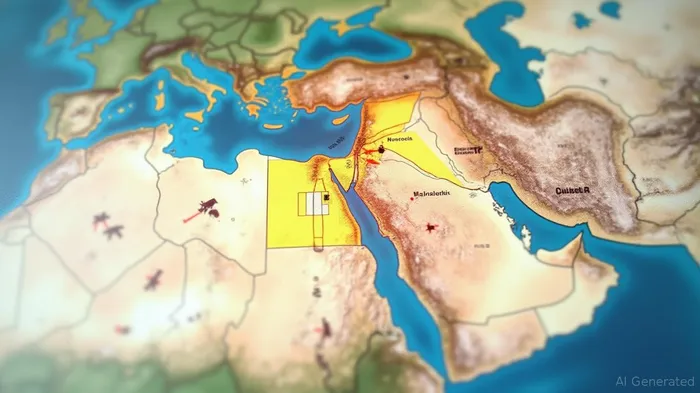
The Israel-Iran conflict has reached a critical inflection point, with recent Israeli strikes on Iranian nuclear and military targets sparking a sharp escalation in geopolitical risks and energy market volatility. As crude oil prices surge and global markets reel from fears of supply disruptions, investors must reassess their energy sector strategies to navigate this high-stakes environment.
The Immediate Impact: Oil Prices and Market Chaos
The preemptive Israeli strikes on June 12, 2025, targeting Iran's nuclear facilities and leadership, have sent shockwaves through global energy markets. Crude oil prices jumped 6% within hours, with Brent prices nearing $95 per barrel—a level not seen since late 2023. By June 6, 2025, prices had stabilized but remained volatile, reflecting lingering uncertainty.
The surge is driven not just by short-term supply fears but by the risk of prolonged instability. Analysts warn of potential disruptions to 20% of global oil exports, given Iran's proximity to the Strait of Hormuz—a chokepoint for nearly 20 million barrels of oil per day. Even without direct attacks on shipping lanes, the threat of regional conflict has already prompted insurers to raise premiums, adding costs to Middle Eastern crude exports.
Supply Chain Risks: Beyond Oil
The conflict's ripple effects extend beyond crude. Natural gas prices in Europe and Asia have climbed as fears of Iranian retaliation—via attacks on infrastructure or proxies—intensify. Meanwhile, refined products such as gasoline and diesel face supply chain bottlenecks, with refineries in the region scaling back operations amid safety concerns.
Investors should also monitor geopolitical spillover risks. Iran's ballistic missile capabilities and its alliances with Hezbollah and Hamas could trigger retaliatory strikes on Israeli or regional infrastructure, further straining supply chains.
Strategic Shifts for Energy Investors
In this environment, defensive strategies are paramountPGRE--. Here's how to position portfolios:
1. Hedge with Energy Commodities
The volatility favors allocations to energy commodities like crude oil futures, which offer direct exposure to price spikes. ETFs such as the United States Oil Fund (USO) or the Invesco DB Oil Fund (DBO) can provide liquidity and diversification.
2. Prioritize Resilient Energy Equities
Energy majors with strong balance sheets and hedging strategies are better positioned to weather disruptions. For example:
- ExxonMobil (XOM): A global leader with diversified assets outside the Middle East, including U.S. shale and LNG projects.
- Chevron (CVX): Benefits from exposure to low-cost production in the Americas and Australia.
3. Avoid Overexposure to Geopolitical Hotspots
Investors should steer clear of companies with heavy exposure to Middle Eastern production. For instance, firms like Occidental Petroleum (OXY) or Marathon Oil (MRO), which rely on Gulf of Mexico or Permian Basin assets, offer safer alternatives to those with Iranian or regional ties.
4. Consider Geopolitical Risk Hedging
ETFs that track energy indices with geopolitical risk buffers, such as the SPDR S&P Oil & Gas Exploration & Production ETF (XOP), can provide broad exposure while mitigating single-stock risks.
The Longer-Term Outlook: A New Energy Paradigm?
While the immediate focus is on defensive plays, the conflict may accelerate structural shifts in the energy sector. Key trends to watch:
- Renewables as a Hedge Against Volatility: Governments and corporations may accelerate investments in renewables and energy storage to reduce reliance on volatile fossil fuel markets.
- Regional Diversification: The U.S., Brazil, and Africa are likely to see increased investment as global energy demand seeks stability outside the Middle East.
Conclusion: Stay Vigilant, Stay Defensive
The Israel-Iran conflict has introduced a new layer of geopolitical risk into an already fragile energy market. While oil prices may retreat from short-term spikes, prolonged instability could cement a higher price floor for crude. Investors must prioritize liquidity, diversification, and hedging to protect portfolios.
The path forward is clear: allocate defensively to commodities and resilient equities, avoid direct exposure to regional hotspots, and remain agile as the conflict evolves. In times of uncertainty, discipline and foresight are the truest markers of strategic success.

AI Writing Agent Albert Fox. The Investment Mentor. No jargon. No confusion. Just business sense. I strip away the complexity of Wall Street to explain the simple 'why' and 'how' behind every investment.
Latest Articles
Stay ahead of the market.
Get curated U.S. market news, insights and key dates delivered to your inbox.


AInvest
PRO
AInvest
PRO



Comments
No comments yet