
How Geopolitical Tensions Drive Energy Sector Volatility and Trading Opportunities
 Aime Summary
In the complex world of finance, few factors are as immediately impactful as global politics. When headlines flash with news of conflicts, sanctions, or diplomatic breakdowns, the stock market often reacts with sudden intensity. Among the sectors most sensitive to these shifts is the energy industry. Understanding the link between geopolitical tensions and energy stock movements is crucial for investors seeking to navigate uncertainty and identify potential opportunities.
At its core, the energy sector is deeply tied to global supply chains. Oil and natural gas are not just commodities; they are strategic resources that power economies worldwide. When geopolitical tensions rise in key producing regions—such as the Middle East or Eastern Europe—the immediate fear is a disruption in supply. This fear drives prices up. Conversely, if tensions ease or if alternative supplies become available, prices may drop. This relationship creates volatility, which is simply the degree of variation in trading prices over time. For investors, this volatility is not just noise; it is a signal.
To grasp this concept, imagine a global marketplace where energy is the main product. If a major bridge in a critical trade route closes due to conflict, the cost to transport goods rises. Similarly, if a major oil-producing nation faces sanctions, that oil cannot easily reach global markets. The scarcity drives up the price of the remaining available supply.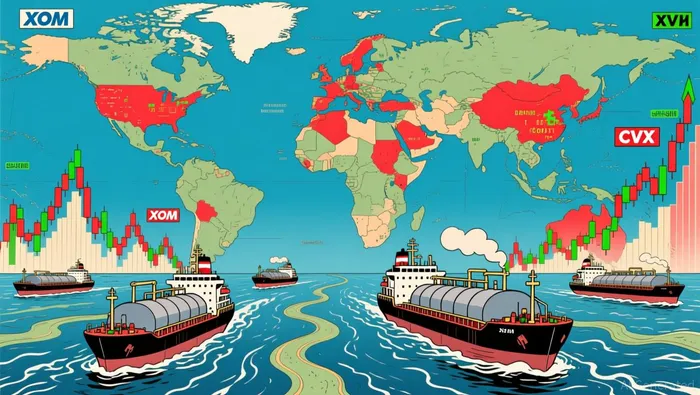 Companies that produce or transport this energy often see their revenues surge, leading to higher stock prices. However, this is a double-edged sword. High energy costs can slow down other industries, potentially hurting the broader economy and, eventually, energy demand.
Investors can apply this understanding through several strategies. One common approach is sector rotation. During times of heightened geopolitical risk, investors might shift capital from consumer discretionary stocks to energy stocks, betting on the immediate price spike. Another strategy is diversification. By holding a mix of traditional energy companies, renewable energy firms, and even stocks in countries less affected by the conflict, investors can protect their portfolios from extreme swings. It is also important to look beyond the headlines. For instance, if a conflict disrupts oil supply, renewable energy companies might see increased interest as nations seek energy independence, offering a different kind of trading opportunity.
Consider the market reaction following the escalation of tensions in Eastern Europe in 2022. As sanctions were imposed on major Russian energy exporters, global oil and natural gas prices surged to multi-year highs. Energy stocks in North America and Europe, which were not subject to the same sanctions, saw significant gains. Investors who recognized this supply shock early were able to capitalize on the upward trend. However, those who ignored the long-term implications faced risks. As the market began to anticipate a resolution or the development of alternative energy sources, prices eventually corrected. This case study highlights the importance of timing and understanding both the immediate shock and the longer-term structural changes.
However, investing based on geopolitical events carries significant risks. Geopolitical situations can change rapidly and unpredictably. A sudden peace deal or an unexpected military escalation can reverse market trends overnight. Additionally, high energy prices can lead to inflation, prompting central banks to raise interest rates, which can negatively impact all stock markets, including energy. To mitigate these risks, investors should maintain a long-term perspective. Do not chase short-term spikes without a clear exit strategy. Use stop-loss orders to limit potential losses, and always conduct thorough research on the specific companies you invest in, rather than just the broader sector.
In conclusion, geopolitical tensions are a powerful driver of energy sector volatility. By understanding the fundamental link between global stability and energy supply, investors can better anticipate market movements. While these events present trading opportunities, they also require careful risk management. Successful investing in this context relies on staying informed, diversifying holdings, and maintaining a disciplined approach to risk. Ultimately, knowledge of how global events impact energy markets empowers investors to make more informed, strategic decisions in an unpredictable world.

Stay ahead of the market.
Get curated U.S. market news, insights and key dates delivered to your inbox.


AInvest
PRO
AInvest
PRO




Comments
No comments yet