
Geopolitical Shocks in Energy Markets: Identifying Investment Opportunities Amid Supply Chain Disruptions
 Aime Summary
In 2022, the Russia-Ukraine war triggered a global energy crisis, sending oil prices to a 14-year high. This event underscores how geopolitical tensions can disrupt energy markets and create unique investment opportunities. Understanding these dynamics is critical for investors navigating today’s volatile landscape. This article explores how geopolitical shocks affect energy supply chains, how investors can spot opportunities, and strategies to manage risks.
What Are Geopolitical Shocks?
Geopolitical shocks are unexpected events—like wars, sanctions, or political instability—that disrupt the flow of energy resources. For example, when a major oil exporter imposes trade restrictions or a pipeline is damaged in a conflict, the result is often a sudden drop in supply. This scarcity drives up prices and creates volatility in energy markets. Investors who recognize these patterns can position themselves to capitalize on market swings. 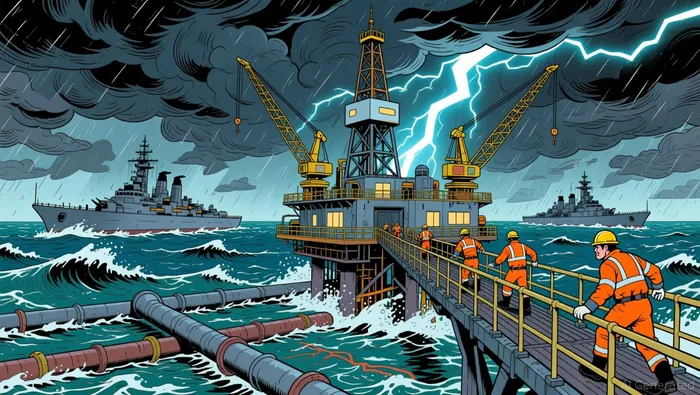
Strategies for Navigating Energy Market Volatility 1. Energy Sector Exposure: During supply disruptions, energy companies (e.g., oil producers) often see higher profits as prices rise. Investors might consider energy stocks or exchange-traded funds (ETFs) like the Energy Select Sector SPDRXLE-- (XLE). 2. Commodity Investments: Direct investments in oil, natural gas, or uranium futures can benefit from price spikes. 3. Diversification: Balancing energy investments with stable assets (e.g., utilities or bonds) can offset risks. 4. Alternative Energy: Geopolitical crises often accelerate demand for renewable energy solutions, offering long-term growth potential in solar or wind sectors.
Case Study: The 2022 Russia-Ukraine War When Russia invaded Ukraine in February 2022, it immediately cut oil and gas exports to Europe. Prices for Brent crude oil surged by 34% in one month. Energy companies like ExxonMobilXOM-- and ChevronCVX-- saw stock prices rise by over 50% in 2022 as profits grew. Meanwhile, investors who hedged with oil futures or energy ETFs benefited from the upward trend. Conversely, European countries reliant on Russian gas faced energy shortages, highlighting the importance of diversifying energy sources.
Risks and Mitigation Strategies While geopolitical shocks can create opportunities, they also carry risks. Sudden price drops or prolonged conflicts may erode gains. To manage these risks: 1. Avoid Overexposure: Limit energy investments to a small portion of your portfolio. 2. Stay Informed: Monitor global news and central bank policies, which can influence energy prices. 3. Use Stop-Loss Orders: Protect against sharp declines by setting automated sell points. 4. Assess Long-Term Trends: Short-term gains from geopolitical events may reverse if conflicts resolve or if renewable energy adoption accelerates.
Conclusion Geopolitical shocks in energy markets are inevitable, but their impact can be navigated with the right strategies. By understanding how supply chain disruptions drive price volatility, investors can identify opportunities in energy stocks, commodities, or renewables. However, balancing these investments with risk management techniques is crucial. As history shows, prepared investors who adapt to changing global dynamics can turn uncertainty into advantage.

Stay ahead of the market.
Get curated U.S. market news, insights and key dates delivered to your inbox.
AInvest
PRO
AInvest
PRO



Comments
No comments yet