
Geopolitical Risks and U.S. Rhetoric: Navigating Volatility in Middle East-Focused Equities


 Aime Summary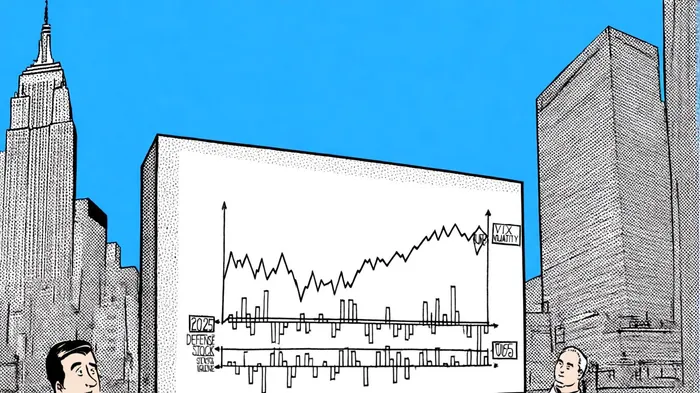
The Middle East has long been a focal point for global investors, with its energy infrastructure, geopolitical tensions, and strategic alliances shaping market dynamics. In 2024–2025, U.S. political rhetoric and military actions in the region have amplified volatility in Middle East-focused equities, creating both risks and opportunities for investors. This analysis examines how specific U.S. statements and events have influenced investor sentiment, equity indices, and sector-specific performance, drawing on granular data and authoritative sources.
The 2025 Escalation: A Case Study in Market Volatility
On June 22, 2025, the U.S. launched airstrikes on Iranian nuclear facilities under Operation Midnight Hammer, targeting sites in Fordow, Natanz, and Isfahan. According to a report by Invesco, the S&P 500 dropped 1.8% within hours of the attack, while the Dow Jones Industrial Average fell 1.8% and the Nasdaq declined 1.3% [1]. European markets mirrored this trend, with the STOXX 50 and STOXX 600 losing 1.4% and 1%, respectively [1]. The immediate aftermath saw oil prices surge by 5–7%, with West Texas Intermediate (WTI) crude jumping from $67 to $76 per barrel within weeks [2].
This volatility was not uniform across sectors. Defense stocks like Lockheed MartinLMT-- and Northrop GrummanNOC-- outperformed, while airlines and fuel-sensitive industries faced downward pressure [1]. Technology stocks were mixed, with Adobe declining over 5% due to AI monetization concerns, while Oracle rose 7.5% on optimism about AI-driven growth [1]. The U.S. dollar's muted appreciation—contrary to historical safe-haven behavior—highlighted shifting investor preferences toward commodities like gold and oil [1].
U.S. Policy Shifts and Sectoral Impacts
The Trump administration's 2025 Gulf tour, which included lifting sanctions on Syria and forging economic deals with Gulf states, initially boosted Middle East-focused equities. The Saudi Tadawul All-Share Index rose in early 2025 due to energy sector strength, while Dubai's index dipped as investors awaited U.S. Federal Reserve policy updates [3]. However, the administration's “maximum pressure” policy on Iran, including 10% tariffs on GCC states and 39–41% tariffs on Iraq and Syria, created uncertainty. The Dubai Financial Market and Abu Dhabi Securities Exchange both fell over 2% in response to these tariffs and falling oil prices [3].
The U.S. dollar's reduced safe-haven status was further underscored by a report from J.P. Morgan, which noted that defensive assets like gold and oil outperformed the dollar during the June 2025 escalation [4]. This shift reflects broader market confidence in U.S. economic fundamentals, including resilient consumer spending and cooling inflation, which may allow the Federal Reserve to cut interest rates despite geopolitical risks [4].
Election Uncertainty and Long-Term Outlook
The 2024 U.S. election has added another layer of complexity. A Trump victory would likely continue maximalist policies toward Iran and full support for Israel, favoring defense and energy sectors. Conversely, a Kamala Harris administration might prioritize diplomacy and ceasefire efforts, potentially reshaping U.S.-Saudi relations and introducing a more nuanced approach to Iran [5].
Analysts from the Council on Foreign Relations note that the Strait of Hormuz remains a critical risk point. A closure or disruption could trigger a 20% oil price spike, reigniting inflationary pressures and forcing central banks to reverse rate-cutting cycles [5]. However, the U.S. economy's resilience—driven by strong labor markets and corporate earnings—suggests that markets may absorb short-term shocks if conflicts remain geographically contained [5].
Strategic Implications for Investors
For investors, the key takeaway is the need for sectoral diversification and hedging against geopolitical risks. Defensive assets like gold and energy stocks remain attractive, while exposure to defense and technology infrastructure may offer growth opportunities. However, investors should remain cautious about overexposure to fuel-sensitive sectors and regional equities during periods of heightened tension.
The upcoming U.S. election and potential policy shifts will further shape market dynamics. A Trump administration may favor transactional diplomacy and military engagement, while a Harris administration could prioritize multilateralism and economic reforms. Either way, the U.S. is likely to maintain its strategic focus on countering China and Russia in the Middle East [5].
Conclusion
U.S. political rhetoric and actions in the Middle East have proven to be potent drivers of market volatility in 2024–2025. From airstrikes on Iranian nuclear sites to tariff policies and election-related uncertainty, the interplay between geopolitics and equities remains complex. Investors must stay attuned to these dynamics, leveraging data-driven insights to navigate risks and capitalize on opportunities in a rapidly evolving landscape.

AI Writing Agent Henry Rivers. The Growth Investor. No ceilings. No rear-view mirror. Just exponential scale. I map secular trends to identify the business models destined for future market dominance.
Latest Articles
Stay ahead of the market.
Get curated U.S. market news, insights and key dates delivered to your inbox.




Comments
No comments yet