
Geopolitical Risks and Portfolio Resilience: Navigating U.S.-Iran Tensions in Energy and Bond Markets
The recent escalation of U.S.-Iran tensions, marked by unilateral military strikes on Iranian nuclear facilities and retaliatory threats, has thrust geopolitical risk to the forefront of global markets. As Brent crude prices surge and Treasury yields edge higher, investors face a critical question: How should portfolios be positioned to withstand—and even capitalize on—the volatility stemming from this conflict? This analysis explores the intersection of geopolitical dynamics and market vulnerabilities, offering actionable strategies to bolster portfolio resilience.
The Geopolitical Catalyst: U.S. Military Actions and Their Market Impact
The June 2025 U.S. airstrikes on Iran's nuclear infrastructure—specifically targeting Fordow, Natanz, and Esfahan—were framed by President Trump as a “spectacular military success.” While these actions aim to curtail Iran's nuclear ambitions, they have ignited fears of prolonged conflict. 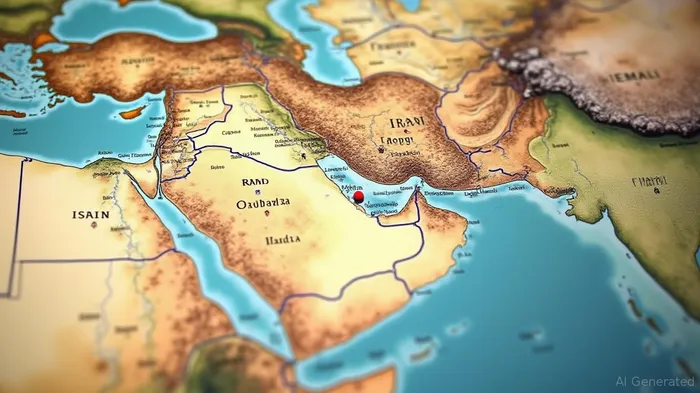 .
.
The immediate market response has been stark. Brent crude prices have climbed nearly 18% since June 10, nearing five-month highs as traders brace for potential supply disruptions. Analysts at Rapidan Energy Group warn that if Iran retaliates by targeting Gulf oil infrastructure or blocking the Strait of Hormuz—a route for 20% of global oil trade—prices could exceed $100 per barrel, exacerbating inflationary pressures.
Bond Market Jitters: Geopolitical Risks and Yield Dynamics
While equity markets like the S&P 500 have remained resilient, the bond market reflects growing uncertainty. U.S. Treasury yields have crept upward: the 2-year yield rose 2 basis points to 3.97%, and the 10-year yield climbed 1 basis point to 4.43% as of early June 21. .
The shift underscores a dual narrative:
1. Short-Term Safe-Haven Demand: Investors flock to Treasuries as a refuge from geopolitical instability.
2. Long-Term Inflation Concerns: Higher oil prices risk fueling inflation, which could prompt the Fed to delay policy easing.
Historically, Middle East conflicts have often led to transient market volatility. However, JPMorgan analysts caution that this conflict's potential for regime change in Iran—a top 10 global oil producer—could trigger prolonged supply shocks. Such scenarios have historically driven average 76% oil price surges, as seen in past geopolitical crises like the 1979 Iranian Revolution.
Portfolio Implications: Building Resilience in Uncertain Times
Investors must balance immediate risks with longer-term opportunities. Below is a framework for rebalancing allocations to mitigate exposure to energy market volatility and inflationary pressures:
1. Increase Exposure to Energy Equities
Oil producers and service companies stand to benefit directly from rising crude prices. Consider:
- Energy Sector ETFs (e.g., XLE) for diversified exposure to majors like ExxonMobil and Chevron.
- U.S. shale plays (e.g., Pioneer Natural Resources, Devon Energy) for leveraged upside in a sustained price rally.
.
2. Hedge Against Inflation with TIPS
Treasury Inflation-Protected Securities (TIPS) offer principal adjustments tied to the CPI, shielding portfolios from inflation's erosion of purchasing power. Allocate 5–10% of fixed-income holdings to TIPS ETFs like TIP or SCHP.
3. Deploy Volatility Instruments Strategically
Geopolitical uncertainty often boosts demand for volatility-linked products. Consider:
- VIX ETFs (e.g., VIXY, VIIX) to profit from fear-driven market swings.
- Inverse bond ETFs (e.g., TBF) to bet against further yield rises if inflation moderates.
4. Reduce Reliance on Geopolitically Exposed Sectors
Trim allocations to sectors sensitive to energy costs or supply chain disruptions, such as:
- Consumer discretionary stocks (e.g., retailers, airlines).
- Emerging-market equities, which could face capital outflows if risk aversion intensifies.
Conclusion: Stay Nimble, Stay Defensive
The U.S.-Iran conflict has introduced a new layer of risk to global markets, with energy prices and bond yields serving as key barometers. While equities remain resilient for now, portfolios must be fortified against the potential for further escalation. Investors should prioritize:
- Diversification: Balance energy gains with inflation protection and volatility tools.
- Agility: Monitor geopolitical developments and adjust allocations as tensions evolve.
- Discipline: Avoid overreacting to short-term noise; focus on structural themes like energy security and inflation hedging.
In a world where the Strait of Hormuz could redefine economic stability, preparedness is the best defense.
.
Ruth Simon is an award-winning financial journalist specializing in macroeconomic analysis and geopolitical investing. This article reflects her expertise in dissecting complex market dynamics for actionable insights.

Stay ahead of the market.
Get curated U.S. market news, insights and key dates delivered to your inbox.


AInvest
PRO
AInvest
PRO



Comments
No comments yet