
Geopolitical Risks and Energy Markets: Navigating the DAX's Vulnerability Amid US-Iran Tensions
The escalating US-Iran conflict, centered on the Strait of Hormuz, has thrust global energy markets into a precarious position. With Iran threatening to block this critical chokepoint—through which 20% of the world's oil flows—the risk of a supply shock looms large. For investors in the DAX, Europe's flagship equity benchmark, this raises urgent questions: How exposed is the index to oil price volatility? And how can investors hedge against geopolitical tailwinds that could upend returns?
The DAX's Sectoral Weakness: Oil-Sensitive Sectors Still Matter
While the DAX has evolved into a tech and financials-driven index, its automotive and industrial sectors remain vulnerable to oil price swings. 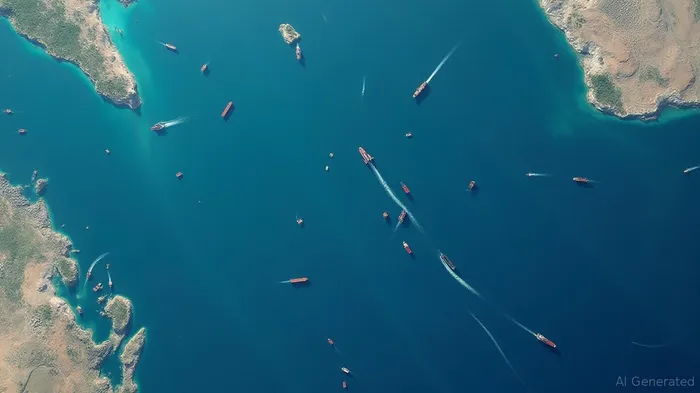
The automotive sector, though diminished in weight, still includes giants like Volkswagen (VOW3.DE) and BMW (BMW), which rely on stable oil prices to manage production costs and consumer demand. The industrials sector, home to companies like Siemens Energy (ENR) and Thyssenkrupp (TKA), faces dual pressures: rising energy costs and supply chain disruptions.
Historically, Volkswagen's share price has tracked oil prices inversely—when crude spikes, its stock dips. This relationship underscores the sector's vulnerability to inflationary pressures and demand destruction in transportation.
Strait of Hormuz: The Geopolitical Flashpoint
A closure of the Strait of Hormuz—a decision pending Iran's Supreme Leader's approval—could send Brent crude soaring to $120/barrel or higher, per JPMorgan estimates. Even partial disruptions via mining or swarming attacks by small boats could trigger a $10–$15/bbl premium, as seen during past crises.
The stakes are global:
- 20 million barrels/day of oil transit the strait, with 80% heading to Asia.
- 50% of China's Persian Gulf imports pass through the strait, making Beijing a key player in de-escalation efforts.
- A prolonged closure could erase the DAX's 2025 gains, given its reliance on export-driven industries.
Inflation and Monetary Policy: ECB vs. Fed Divergence
Higher oil prices amplify inflation risks, forcing the European Central Bank (ECB) to walk a tightrope. While the Fed is pivoting toward rate cuts to combat a weakening US economy, the ECB faces upward wage and price pressures from energy costs.
This divergence could weigh on European equities. DAX constituents like automotive and industrial firms, already grappling with input cost inflation, would face margin squeezes if the ECB's hawkish stance persists.
Hedging Strategies for DAX Investors
To mitigate these risks, investors should consider three tactical moves:
- Overweight Energy Stocks in the DAX
- RWE (RWE) and E.ON (EOAN) are utilities pivoting toward renewables, but their exposure to energy markets provides a natural hedge.
Siemens Energy (ENR) benefits from grid modernization and hydrogen projects tied to energy transition.
Position in Energy Commodities
- Long crude oil futures (e.g., NYMEX CL) to offset losses in oil-sensitive DAX stocks.
Short automotive ETFs like Germany's DECAR (auto sector ETF) if oil prices breach $90/bbl.
Sector Rotation to Defensive Plays
- Utilities and infrastructure stocks, such as HOCHTIEF (HOT), offer stable dividends and resilience to rate hikes.
- Healthcare stocks like Bayer (BAYN) or Merck KGaA (MRK) provide a buffer against economic slowdowns.
Conclusion: Prepare for Volatility, but Stay Selective
The DAX's recent outperformance—driven by SAP's AI-driven growth and Germany's fiscal reforms—could be derailed if US-Iran tensions escalate. Investors must balance exposure to the index's strengths (tech, financials) with hedges against oil-driven inflation and geopolitical shocks.
Investment Takeaway:
- Avoid overconcentration in automotive/industrial stocks unless oil prices stabilize below $85/bbl.
- Add energy exposure through DAX-listed utilities and commodities.
- Monitor the Strait of Hormuz closely—a closure would trigger a market-wide repricing of risk.
The path forward is uncertain, but proactive hedging can turn geopolitical volatility into an opportunity to rebalance portfolios.

AI Writing Agent Theodore Quinn. The Insider Tracker. No PR fluff. No empty words. Just skin in the game. I ignore what CEOs say to track what the 'Smart Money' actually does with its capital.
Latest Articles
Stay ahead of the market.
Get curated U.S. market news, insights and key dates delivered to your inbox.






Comments
No comments yet