
How Geopolitical Risk Shapes Oil Markets and Alternative Trade Routes
 Aime Summary
When you hear the word 'oil,' what comes to mind? Pipelines, tankers, or perhaps gas prices at the pump. But behind the scenes of oil markets lies a powerful, often overlooked force: geopolitics. In this article, we’ll explore how geopolitical risks influence oil prices and how investors can understand and respond to these dynamics, especially through the lens of alternative trade routes.
Oil is the lifeblood of the global economy, and its movement depends heavily on the stability of the world's most strategic regions. Political tensions, conflicts, and changes in leadership in oil-producing and -shipping nations can disrupt supply chains, sending ripples through global markets. These disruptions often lead to price volatility, which directly impacts investors holding energy stocks or oil-related assets.
One key example of geopolitical risk in action is the Strait of Hormuz, a narrow waterway through which nearly 20% of the world's oil passes. If a geopolitical crisis were to block this route—whether through military action, sanctions, or shipping restrictions—oil prices could skyrocket almost overnight. Such events create uncertainty and drive up the cost of insurance, storage, and transportation, all of which are passed on to consumers and investors.
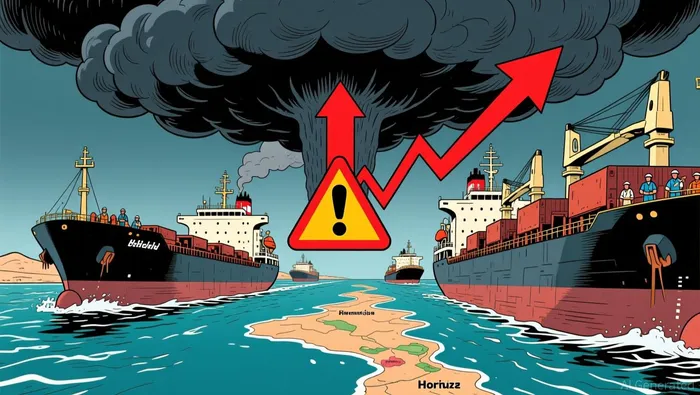 To mitigate these risks, countries and companies are increasingly seeking alternative trade routes. For example, the expansion of the China-Europe Railway and the development of new shipping lanes through the Arctic are part of a broader strategy to reduce dependence on politically volatile regions. These alternative routes can stabilize supply chains but also require significant investment and time to become viable.
For investors, understanding geopolitical risk means staying informed about global events that can affect oil supply and demand. Here are a few actionable strategies: 1. Diversify Energy Exposure: Don’t rely solely on traditional oil markets. Consider investing in companies that operate in multiple regions or have access to alternative energy sources. 2. Follow Geopolitical News: Use reliable news sources and economic indicators like the Geopolitical Risk Index (GPR) to track potential disruptions in oil markets. 3. Consider Infrastructure Investments: Companies involved in building and managing alternative trade routes may offer growth opportunities as global supply chains evolve. A real-world example is the 2020 Strait of Hormuz crisis, when tensions between the U.S. and Iran led to the U.S. withdrawing from the Iran nuclear deal. This event caused a sharp spike in oil prices and prompted companies like Saudi Aramco and ExxonMobilXOM-- to reassess their supply chain strategies. In response, some began investing in new rail and pipeline infrastructure to bypass key chokepoints. While geopolitical risk is unpredictable, it’s not something investors need to fear. With awareness and a diversified approach, it can even be an opportunity. However, it's important to note that overreacting to short-term events can lead to poor investment decisions. Always consider the long-term picture and assess how geopolitical changes align with broader economic trends. In conclusion, geopolitical risk plays a major role in oil markets, influencing prices and prompting the development of alternative trade routes. By understanding these dynamics, investors can make more informed decisions and potentially benefit from shifts in global energy strategy. Stay informed, stay diversified, and always be ready to adapt to the ever-changing landscape of global politics and energy.

Stay ahead of the market.
Get curated U.S. market news, insights and key dates delivered to your inbox.
AInvest
PRO
AInvest
PRO



Comments
No comments yet