
Geopolitical Risk Premium in Energy Markets: Navigating Gulf Tensions and Crude Oil Volatility
The Persian Gulf has long been the epicenter of global energy security, but June 2025 has seen tensions escalate to a boiling point. U.S.-backed Israeli strikes on Iranian nuclear facilities, ongoing Gaza hostilities, and Houthi attacks on Israeli targets have reignited fears of a regional conflict. Amid this turmoil, crude oil prices have surged 18% since mid-June, driven not only by physical supply risks but also by a growing geopolitical risk premium embedded in energy markets. For investors, this volatility presents both challenges and opportunities.
The Geopolitical Risk Premium Explained
The "geopolitical risk premium" refers to the additional cost investors demand to hold assets exposed to political instability. In energy markets, this manifests as elevated crude prices even when physical supply disruptions are minimal. For instance, the Strait of Hormuz, through which 20% of global oil flows, remains a chokepoint vulnerable to sabotage or blockades. While actual disruptions have been limited, the mere possibility of a shutdown—whether from Iranian retaliation, Houthi drones, or U.S.-Iranian miscalculation—fuels speculative buying.
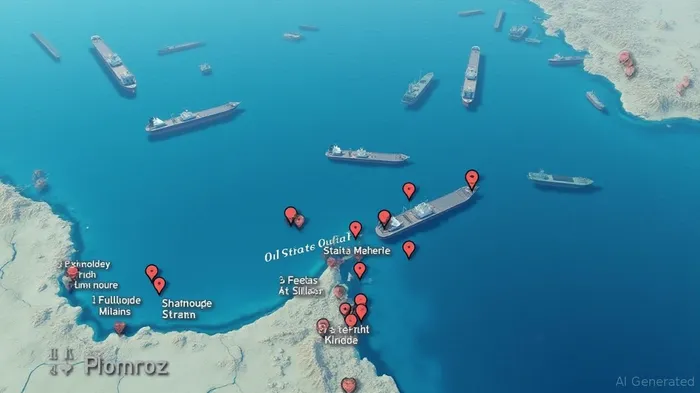
This risk premium is quantifiable. Historically, geopolitical flare-ups in the Gulf have added $5–$10/bbl to crude prices above fundamentals like OPEC+ supply decisions or global demand trends. The current spike to $95/bbl (as of June 2025) reflects this dynamic, with 30–40% of the premium attributed to geopolitical uncertainty.
Why Gulf Equity Markets Are Defying Gravity
While oil volatility might suggest investor pessimism, Gulf stock markets have remained resilient. Indices like Saudi Arabia's TASI and Dubai's DFMPFM-- have avoided prolonged sell-offs, buoyed by three factors:
1. Fiscal Buffers: Gulf states' USD-pegged currencies and oil-backed sovereign wealth funds provide stability.
2. Market Pricing: Investors have already factored in geopolitical risks, treating them as a cyclical rather than existential threat.
3. Diversification: Non-oil sectors such as tourism (Saudi Arabia's 2024 visitor count hit 116 million) and renewables (Masdar's solar projects) reduce reliance on crude.
Investment Strategies for Geopolitical Risk-Tolerant Investors
1. Overweight Energy Stocks with Operational Resilience
Companies with exposure to Gulf production or energy security initiatives are prime candidates. Consider:
- Saudi Aramco: The world's largest oil producer benefits from OPEC+ discipline and its role in the "energy security coalition."
- Chevron/EOG Resources: U.S. majors with Gulf exploration ties and hedging strategies against price volatility.
2. Defensive Sectors as Ballast
Investors should balance energy exposure with low-volatility sectors insulated from geopolitical shocks:
- Financials: Institutions like Samba Financial Group (Saudi) or First Abu Dhabi Bank benefit from rising credit demand and GCC fiscal stability.
- Renewables: Masdar (Abu Dhabi) and NEOM's hydrogen projects offer steady returns tied to Gulf diversification goals.
3. ETFs for Liquidity and Diversification
- MSCI GCC Countries Combined Index Futures: Tracks Gulf equities with low correlation to global markets.
Backtest the performance of the MSCI GCC Countries Index when buying on the announcement dates of OPEC+ supply decisions and holding for 60 trading days, from 2019 to 2025. - Oil Services ETFs (XOP): Tracks firms like Schlumberger and Baker Hughes, which profit from elevated oil prices without direct commodity exposure.
Risks and Mitigation
While the Gulf's structural advantages are clear, risks remain:
- De-escalation: A negotiated freeze in Gaza or U.S.-Iran talks could erase the risk premium overnight.
- Inflation: Prolonged high oil prices may trigger global demand destruction or central bank rate hikes.
- Regulatory Shifts: ESG-driven divestment from fossil fuels could pressure energy stocks despite geopolitical tailwinds.
Conclusion: A Play for the Nerves, but a Play Worth Making
The Gulf's blend of energy stability, fiscal prudence, and diversification has turned geopolitical volatility into an opportunity. Investors should embrace a barbell strategy:
- Long Energy: Use call options on Brent crude or energy ETFs to capitalize on short-term spikes.
- Hedged Positions: Pair energy exposure with defensive equities or gold ETFs (e.g., GLD) to offset inflation risks.
The key is to avoid complacency. While Gulf markets have historically rebounded from crises, the scale of today's tensions—spanning nuclear facilities, Hamas-Israel hostilities, and Houthi-Iran linkages—requires vigilance. Monitor daily Strait of Hormuz tanker traffic and OPEC+ supply decisions to time entries and exits.
In the end, the geopolitical risk premium isn't just a cost—it's a signal. For those willing to navigate it, the Gulf remains a frontier of asymmetric returns.

Stay ahead of the market.
Get curated U.S. market news, insights and key dates delivered to your inbox.


AInvest
PRO
AInvest
PRO



Comments
No comments yet