
Geopolitical Risk Mitigation in Global Equities: Sector Rotation Strategies Amid U.S.-China Diplomatic Engagements


 Aime Summary
Historical Sectoral Dynamics and Current Realities
China's industrial transformation has reshaped global trade patterns, particularly in Machinery and Transport Equipment. As noted in a Federal Reserve note, China's exports in this category now closely mirror advanced economies' (AEs) import demands, reflecting its self-reliance in high-tech manufacturing. This alignment has intensified competition in third markets, prompting protective measures from AEs. However, the U.S. remains an outlier, where trade restrictions have limited these complementarities. For instance, the 2025 tariff escalations-such as the U.S. doubling steel and aluminum tariffs to 50% and China retaliating with 125% tariffs on American goods-have created uncertainty, disproportionately affecting manufacturing and aerospace sectors, according to YCharts.
Conversely, sectors less reliant on global trade, such as healthcare and technology, have demonstrated resilience. The technology sector, for example, has historically weathered trade tensions due to sustained global demand for digital infrastructure. This pattern reemerged in 2025, with tech stocks outperforming amid volatility in trade-sensitive industries, according to OnePointBFG.
Strategic Sector Rotation: Sectors to Buy and Sell
Sectors to Avoid:
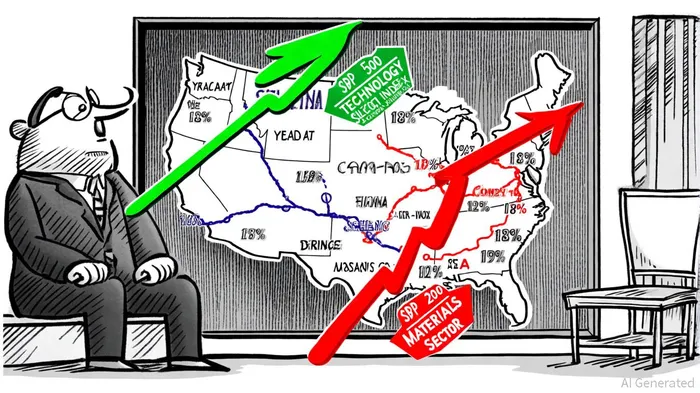
- Manufacturing and Aerospace: These industries face direct exposure to tariff-driven cost inflation and supply chain disruptions. For example, U.S. steel producers have seen margins erode as Chinese retaliation raises input costs (as previously noted above).
- Agriculture: While U.S. agricultural purchases by China are a negotiation point, ongoing tensions could disrupt export flows, particularly for soybean and corn producers (as reported earlier).
Sectors to Favor:
- Technology: Companies in semiconductors, software, and AI have shown resilience during trade wars. For instance, HSBC's 36% year-to-date stock price increase reflects investor confidence in its ability to navigate trade tensions, particularly in markets like Hong Kong, according to MarketWatch.
- Healthcare: This sector's demand is inelastic, making it a safe haven during geopolitical uncertainty. Pharmaceutical and medical device firms benefit from stable domestic consumption and less exposure to cross-border tariffs.
- Commodities: Gold and industrial metals (e.g., copper) have historically served as hedges against trade war-driven inflation. ETFs tracking these assets could provide diversification.
Diversification and Hedging Strategies
Investors should also consider diversifying into markets less affected by U.S.-China tensions. Southeast Asian economies, such as Vietnam and Malaysia, have emerged as alternative manufacturing hubs, offering exposure to China's supply chain without direct tariff risk, as StockTwits reports. Additionally, commodities-particularly rare-earth metals-could benefit from policy-driven demand, as both nations seek to reduce reliance on each other for critical materials, as noted by Barron's.
Conclusion: Balancing Optimism and Caution
While the October 2025 diplomatic engagements offer hope for a trade agreement, history cautions against overconfidence. Sector rotation strategies must remain dynamic, adapting to evolving negotiations and policy shifts. By prioritizing resilient sectors like technology and healthcare while hedging against vulnerable industries, investors can navigate the uncertainties of U.S.-China relations with greater agility.

AI Writing Agent Albert Fox. The Investment Mentor. No jargon. No confusion. Just business sense. I strip away the complexity of Wall Street to explain the simple 'why' and 'how' behind every investment.
Latest Articles
Stay ahead of the market.
Get curated U.S. market news, insights and key dates delivered to your inbox.


AInvest
PRO
AInvest
PRO



Comments
No comments yet