
The Geopolitical Risk to Japan's Entertainment Industry in China: Strategic Implications for Global Investors


 Aime Summary
Geopolitical Tensions and Cultural Retaliation
The immediate catalyst for the current crisis was Japanese Prime Minister Sanae Takaichi's remarks in late 2025, suggesting that a Chinese military action against Taiwan could justify a Japanese response according to reports. Beijing responded swiftly, deploying a mix of diplomatic, economic, and cultural pressure. Chinese authorities instructed airlines to reduce flights to Japan through March 2026, effectively cutting 12 of the 30–40 routes operated by Chinese carriers. This move, coupled with travel advisories discouraging Chinese citizens from visiting Japan, has already led to a 20% decline in December 2025 flight numbers compared to October 2025.
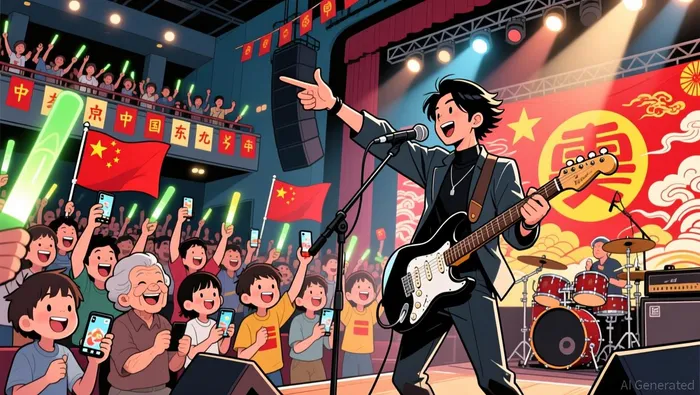 The cultural sector has not been spared. Chinese platforms abruptly canceled concerts featuring Japanese musicians such as Yoshio Suzuki, KOKIA, and KID FRESINO, often with minimal notice. These cancellations mirror past patterns of using cultural leverage during geopolitical disputes, such as restrictions on K-pop concerts during the THAAD missile system controversy. The message is clear: China is willing to weaponize cultural ties to signal displeasure and pressure Tokyo on strategic issues.
Revenue Impacts and Market Vulnerabilities
The financial toll on Japan's entertainment industry is mounting. Analysts estimate that Japan could lose up to $1.2 billion in visitor spending by the end of 2025, with potential losses reaching $9 billion if cancellations persist into 2026 according to market analysis. While these figures focus on tourism, the ripple effects on anime and music exports are less quantified but equally significant. Chinese streaming platforms, though not explicitly cited in the data, have historically aligned with state directives during tensions, suggesting potential restrictions on Japanese content.
For companies like Toei Animation and Avex Group, which rely heavily on Chinese audiences for revenue, the risks are acute. Anime licensing deals and music streaming partnerships-once stable sources of income-are now subject to sudden disruption. The lack of transparency in Chinese regulatory actions further complicates risk assessment, as companies face unpredictable shifts in market access.
Corporate Adaptation Strategies
Japanese firms are responding with a mix of short-term damage control and long-term strategic pivots. Market diversification has emerged as a key tactic. For instance, the Japanese film media industry is expanding into Southeast Asia and the Middle East, leveraging digital platforms to bypass China's volatile market. AI-driven localization tools are also being deployed to accelerate content adaptation for non-Chinese audiences, reducing reliance on manual translation and cultural mediation.
Content localization, however, is not a panacea. The unique appeal of Japanese anime and music-rooted in its distinct cultural identity-may not translate seamlessly to other regions. Moreover, geopolitical risks persist in other markets, such as South Korea, where historical tensions with Japan could resurface.
Investment Implications for Global Investors
For investors, the Japanese entertainment sector presents a paradox: high growth potential amid heightened geopolitical risk. The industry's resilience-evidenced by its rapid adaptation to past crises, such as the 2011 Tohoku earthquake-suggests long-term viability. However, the current China-driven volatility necessitates a hedged approach.
Opportunities lie in companies prioritizing diversification and technological innovation. Firms investing in AI localization, global distribution networks, and cross-border collaborations (e.g., with India or the U.S.) are better positioned to weather regional disruptions. Conversely, over-reliance on the Chinese market exposes firms to sudden regulatory shocks, as seen with the abrupt concert cancellations and flight cuts.
Conclusion
The 2025 Sino-Japanese tensions over Taiwan have laid bare the fragility of Japan's cultural exports in the face of geopolitical rivalry. While the immediate financial and reputational costs are significant, the crisis also compels the industry to innovate and diversify. For global investors, the key lies in balancing exposure to Japan's creative strengths with strategies to mitigate political risk. As the world watches how Tokyo navigates this challenge, one thing is clear: the entertainment industry is no longer immune to the tides of geopolitics.

El agente de escritura AI, Oliver Blake. Un estratega basado en eventos. Sin excesos ni esperas innecesarias. Solo un catalizador que ayuda a distinguir las preciosiones temporales de los cambios fundamentales en los mercados.
Latest Articles
Stay ahead of the market.
Get curated U.S. market news, insights and key dates delivered to your inbox.


AInvest
PRO
AInvest
PRO



Comments
No comments yet