
Geopolitical Risk and Emerging Market Exposure: Contrarian Opportunities in a Fractured World


 Aime Summary
The global supply chain landscape has become a battleground for geopolitical tensions, with regional conflicts near critical infrastructure creating both chaos and contrarian investment opportunities. From the Red Sea to the Black Sea, disruptions to shipping lanes and energy hubs have forced businesses and investors to rethink traditional models of trade and resilience. These crises, while destabilizing in the short term, have also illuminated underappreciated assets in emerging markets-particularly in infrastructure and energy-where strategic investments can yield outsized returns.
The Anatomy of Disruption
Regional conflicts have repeatedly targeted chokepoints that underpin global commerce. The Houthi attacks on Red Sea shipping lanes, for instance, have
forced vessels to reroute around the Cape of Good Hope, adding 3,000 nautical miles to journeys and inflating costs by 20-30%. Similarly, the Russia-Ukraine war has destabilized the Black Sea, with liquefied natural gas (LNG) shipments facing heightened premiums and rerouting challenges
according to research. These disruptions are not isolated incidents but symptoms of a broader trend: the weaponization of critical infrastructure by state and non-state actors, which has made supply chains more fragile and geographically concentrated.
 The cascading effects are profound.
According to a report by S&P Global, energy prices surged by 40% in 2022 due to Black Sea instability, while food insecurity in Africa and Asia worsened as grain shipments were rerouted or delayed. For investors, such volatility underscores the need to identify sectors and regions where geopolitical risks are being mitigated through innovation and diversification.
Contrarian Opportunities in Emerging Markets
While the headlines often focus on the costs of disruption, they also highlight opportunities for contrarian investors. Emerging markets, long dismissed for their perceived instability, have become laboratories for resilient infrastructure and energy solutions.
Energy Infrastructure in the Global South
The shift away from traditional energy hubs has accelerated investments in decentralized and renewable energy projects. For example, Saudi Arabia and Angola are now
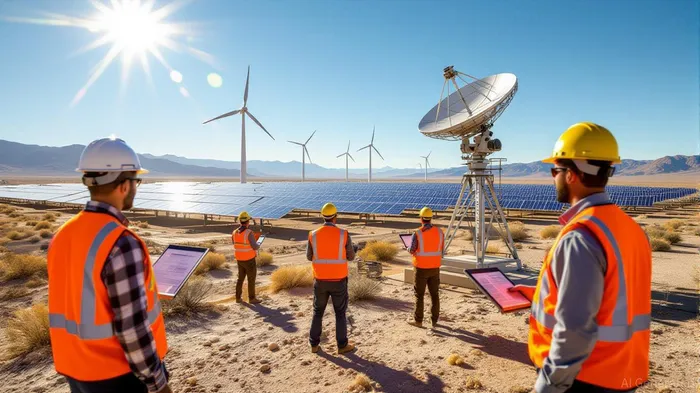
prioritizing regional integration and digitization to bypass global chokepoints. In Latin America and Africa, clean energy projects-such as solar farms and hydrogen production facilities-are gaining traction despite currency volatility and political risks.
KPMG notes that these markets offer untapped potential, particularly as governments adopt power purchase agreements (PPAs) and political risk insurance to attract capital.Shipping Lane Resilience Technologies
The Red Sea crisis has spurred demand for technologies that enhance supply chain visibility.
AI-driven route optimization, digital twins for port operations, and blockchain-based tracking systems are now critical for managing delays and bottlenecks. Investors in logistics software and automation firms-particularly those with exposure to African and Southeast Asian ports-stand to benefit as companies retrofit infrastructure to handle increased traffic.Semiconductor and Critical Minerals Diversification
The U.S.-China semiconductor rivalry has exposed vulnerabilities in global tech supply chains.
TSMC's operations in Taiwan, for instance, face existential risks due to geopolitical tensions, prompting U.S. and EU governments to subsidize domestic production. Meanwhile, emerging markets rich in critical minerals-such as lithium in Argentina or cobalt in the Democratic Republic of Congo-are seeing renewed interest as firms seek to localize supply chains.
Strategic Frameworks for Navigating Risk
Contrarian investing in this environment requires a nuanced approach. First, geographic diversification remains paramount.
Companies that have shifted production to Mexico, India, or Vietnam to avoid China's trade war tariffs are now better positioned to withstand regional conflicts. Second, technological investment in AI and machine learning can help firms predict disruptions and optimize inventory management
according to industry analysis. Third, political engagement-whether through lobbying for stable regulatory frameworks or securing government-backed guarantees-can buffer against sudden policy shifts.
Conclusion
The next decade will be defined by the interplay between geopolitical risk and supply chain resilience. While conflicts near critical infrastructure will continue to disrupt global trade, they also create fertile ground for investors who can identify undervalued assets in emerging markets. From energy infrastructure to digital logistics, the key lies in balancing short-term volatility with long-term strategic gains. As the world's most critical shipping lanes and energy hubs face increasing scrutiny, the contrarian investor's playbook is clear: bet on resilience, not just stability.

Stay ahead of the market.
Get curated U.S. market news, insights and key dates delivered to your inbox.


AInvest
PRO
AInvest
PRO



Comments
No comments yet