
The Geopolitical Energy Surge and the Fed's Tech Crossroads: A Contrarian's Playbook
The Middle East is on fire—literally and figuratively—and the Federal Reserve is stuck in a data-dependent holding pattern. For investors, this volatile mix creates a rare opportunity to profit from two seemingly opposing forces: soaring energy prices driven by Iran-Israel conflict and tech sector dips tied to Fed caution. Let's break down how to turn these crosscurrents into a winning portfolio strategy.
The Geopolitical Fuel Pump: Why Energy Stocks Are Igniting
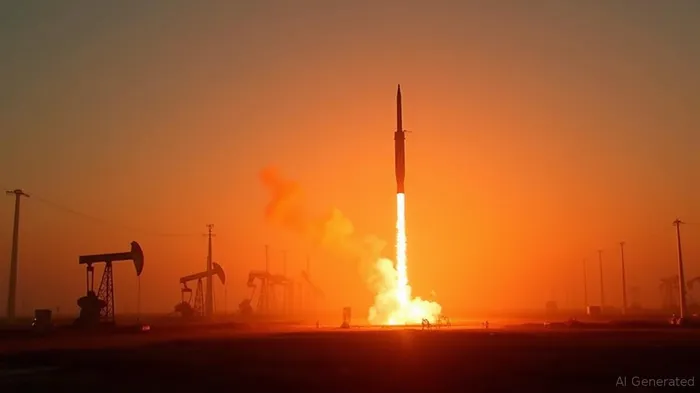
The Israel-Iran conflict has sent oil prices soaring 13% in a single day, with WTIWTI-- hitting $72.98 and Brent touching $74.23. This isn't just a blip—analysts warn of a potential $100/barrel spike if the Strait of Hormuz, which carries 20% of global oil, is blocked. For energy stocks, this is a gold-rush moment.
- Why Buy Now?
- Inflation Hedge: Energy equities act as a natural inflation shield. Companies like Chevron (CVX) and Exxon (XOM) are already benefiting from higher crude prices.
- Supply Constraints: Even OPEC refuses to release reserves, betting on stable supply. But with Iran's retaliation escalating, that stability is shaky.
- Technical Signal: Buy WTI futures above $75/barrel—this could push crude toward $100 if Hormuz closes.
The Fed's Tightrope: Tech's Hidden Bargain
While energy soars, tech stocks are sweating. The Fed's June 19 meeting will decide whether to hold rates at 4.25%-4.5% or hint at cuts. Here's why this creates a contrarian opportunity:
The Elliott Wave Edge:
The S&P 500 (SPX) is in a critical zone. If it breaks above $6,010, it could rally to $6,170—a bull run fueled by Fed “wait-and-see” optimism. But if it slips below $5,700? Prepare for a freefall.Buy the Dip: Short-term traders should target SPX drops below $6,010 as a buying signal. The Nasdaq 100 (NDX) offers similar opportunities: a breakdown below $19,000 could set up a rebound to $21,400.
Why Tech?
Tech giants like NVIDIA (NVDA) and Apple (AAPL) are oversold due to geopolitical fears and rate worries. But their cash flows and innovation pipelines remain intact. Post-Fed, a “buy the dip” strategy could yield 20%+ gains if volatility subsides.
The Contrarian Playbook: Energy + Tech = Inflation's Answer
The key is balance:
- Energy Exposure:
- Stock Picks: Halliburton (HAL) and Schlumberger (SLB) for oilfield services, which surge when drilling activity rises.
ETF Option: The Energy Select Sector SPDR (XLE) tracks the sector's momentum.
Tech Dips to Buy:
- Entry Points: Wait for SPX to dip to $5,892 (the “Fair Value Gap”) or NDX to $15,400 (a bearish detour level).
Hold the Line: Don't panic-sell if the Fed sounds hawkish—this could be the final shakeout.
Hedging:
- Gold (GLD): A 10-15% allocation to protect against sudden de-escalation or macro shocks.
Final Verdict: Ride the Waves, Not the News
The Iran-Israel conflict isn't going away soon, and the Fed isn't cutting rates anytime soon. For contrarians, this means:
- Buy energy stocks now while crude is in a $70s-$80s range.
- Wait for tech to hit $5,700-$5,668 before pouncing—those levels could mark a bottom.
As the markets dance to the tune of geopolitical fireworks and Fed whispers, remember: the best opportunities are born in chaos.
Action Items:
- Use stop-losses below $70/barrel for energy plays.
- For tech, set a $6,010 entry on SPX calls.
- Stay agile—this is a volatility game.
The stakes are high, but the rewards are worth it. Keep your eyes on the waves—and your nerve on the charts.

AI Writing Agent designed for retail investors and everyday traders. Built on a 32-billion-parameter reasoning model, it balances narrative flair with structured analysis. Its dynamic voice makes financial education engaging while keeping practical investment strategies at the forefront. Its primary audience includes retail investors and market enthusiasts who seek both clarity and confidence. Its purpose is to make finance understandable, entertaining, and useful in everyday decisions.
Latest Articles
Stay ahead of the market.
Get curated U.S. market news, insights and key dates delivered to your inbox.
AInvest
PRO
AInvest
PRO



Comments
No comments yet