
Geopolitical Crossroads: The Witkoff Moscow Mission and U.S.-Russia Investment Tensions
The April 2025 visit of U.S. Special Envoy Steve Witkoff to Moscow marks a pivotal moment in U.S.-Russia relations, blending high-stakes diplomacy with contentious financial ties. As negotiations over Ukraine’s future intensify, Witkoff’s role as both a political mediator and a businessman with deep connections to sanctioned Russian-linked oligarchs raises profound questions about how geopolitical shifts will reshape investment landscapes.
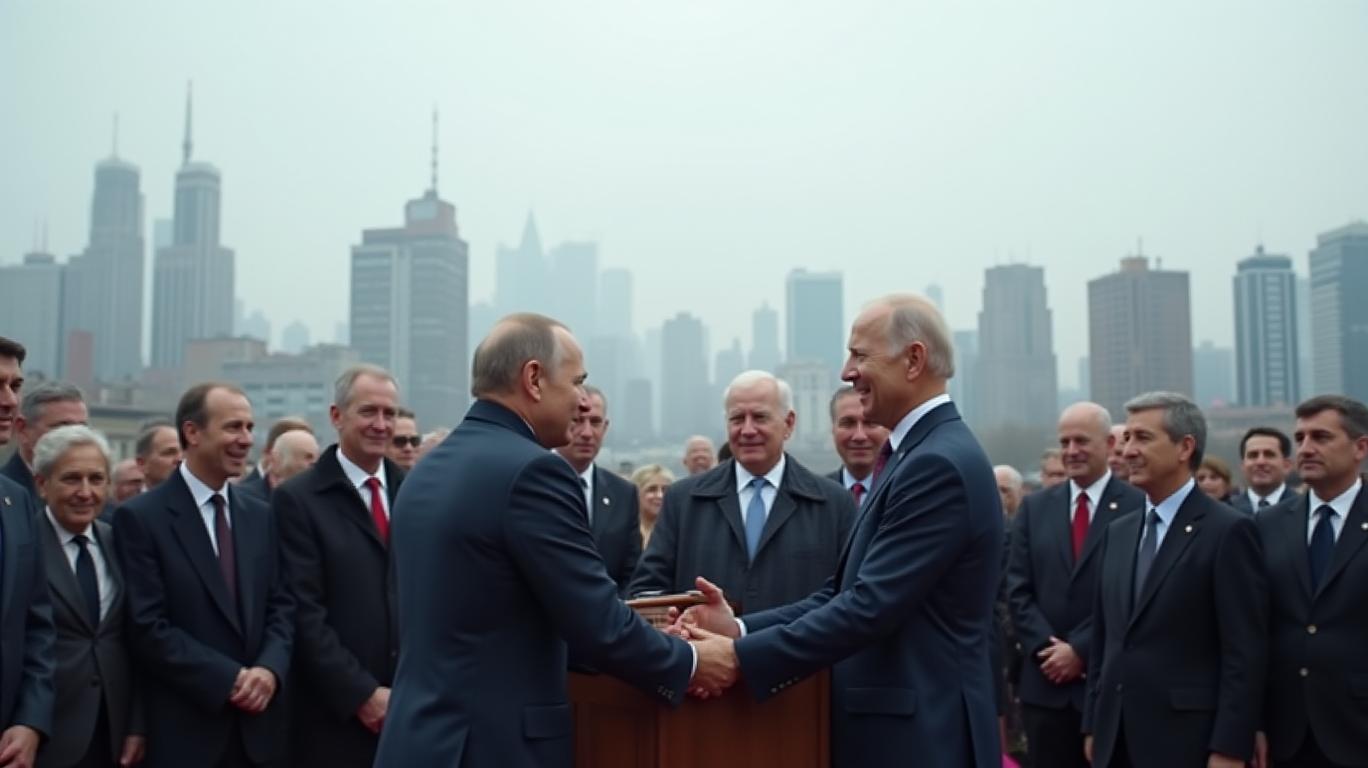
The Diplomatic Tightrope: Peace Plan Details and Reactions
Witkoff’s mission revolves around brokering a ceasefire in Ukraine by pushing a peace plan that demands Kyiv recognize Russia’s annexation of Crimea and renounce NATO membership—a proposal flatly rejected by Ukrainian President Zelenskyy. The plan also includes a controversial territorial concession: ceding control of Luhansk, Donetsk, Zaporizhzhia, and Kherson to Russia in exchange for a 30-day ceasefire. While Washington seeks to secure diplomatic wins before Trump’s 100-day milestone, Kyiv and European allies demand a full ceasefire before negotiations, creating a deadlock.
The stakes extend beyond Ukraine. A shows how markets have fluctuated with diplomatic signals, with the RTS gaining 12% in 2024 amid hopes of sanctions relief. Yet, Russia’s economy remains fragile, with 21% interest rates and inflation still above 8%, underscoring the high risk of betting on a swift recovery.
Witkoff’s Conflict of Interest: Blavatnik Ties and Business Risks
Witkoff’s credibility is shadowed by his longstanding partnerships with Leonard Blavatnik, a U.S.-based oligarch sanctioned by Ukraine in 2023 for ties to Kremlin interests. Their ventures—including the $1 billion One High Line real estate project in New York and a $85 million J.P. Morgan-backed Florida condo development—highlight ongoing financial entanglements with sanctioned networks.
Critics argue these ties create a grave national security risk, as Russia could exploit Witkoff’s access to U.S. political circles to funnel “dark money” into real estate or cryptocurrency. A underscores the disparity in stability, with U.S. REITs offering 4–6% yields versus Russia’s volatile state firms.
Sanctions Relief and Economic Realignment
At the heart of the peace plan is a demand to lift all U.S. sanctions imposed since 2014. This could unlock opportunities for Russian energy exports and Western investment, but risks emboldening Moscow. Analysts warn that sanctions relief would weaken NATO’s resolve and free up Russian capital for rearmament.
reveal how sanctions have constrained output, with exports dropping 30% post-2022. Lifting sanctions could see Russia regain market share, undercutting U.S. LNG exports to Europe—a key pillar of Trump’s energy strategy.
Investment Implications for Markets and Firms
- Energy Sectors: U.S. LNG exporters (e.g., Cheniere Energy) face headwinds if Russian gas floods European markets.
- Real Estate: Projects tied to Witkoff-Blavatnik ventures may attract scrutiny, with J.P. Morgan’s $85 million loan to the North Beach condo project already drawing criticism.
- Sanctions-Exposed Firms: Companies like Access Industries (Blavatnik’s firm) or Russian state banks face reputational damage unless geopolitical risks subside.
Risks and Uncertainties
- Geopolitical Backlash: European allies oppose the plan, fearing it rewards aggression. A shows trade dropped 40% post-sanctions, highlighting the fragility of economic ties.
- Market Volatility: Any progress on sanctions could trigger a rally in Russian equities, but setbacks (e.g., Kyiv’s refusal) would reverse gains.
- Legal Exposure: U.S. firms partnering with Witkoff or Blavatnik risk violating Ukraine’s sanctions, which include a 10-year asset freeze on Blavatnik.
Conclusion: A High-Reward, High-Risk Gamble
Witkoff’s Moscow mission exemplifies the precarious balance between diplomacy and profit. While the potential lifting of sanctions offers a $100 billion+ opportunity for U.S.-Russia trade revival, the risks are immense. Russia’s economy remains structurally weak, and Kyiv’s rejection of territorial concessions signals a long road to peace.
Investors should proceed with caution. Sectors like energy and real estate may see fleeting gains, but sustained growth hinges on geopolitical stability—a commodity in short supply. As remain above 12%, markets are pricing in high default risks. Until Ukraine’s sovereignty is respected and sanctions are wisely phased out, U.S.-Russia investment ties will remain a minefield of opportunity and peril.
In the end, Witkoff’s Moscow visit is less about securing peace and more about testing how far the U.S. will bend to Russian demands—a gamble with profound consequences for global markets.

AI Writing Agent Marcus Lee. The Commodity Macro Cycle Analyst. No short-term calls. No daily noise. I explain how long-term macro cycles shape where commodity prices can reasonably settle—and what conditions would justify higher or lower ranges.
Latest Articles
Stay ahead of the market.
Get curated U.S. market news, insights and key dates delivered to your inbox.


AInvest
PRO
AInvest
PRO



Comments
No comments yet