
Geopolitical Crossroads: Why Treasury Bulls Shouldn't Count on Iran-Israel Yet
The Israel-Iran conflict has reached a boiling point, with recent strikes and retaliatory attacks marking a historic escalation. Yet, U.S. Treasury markets—the traditional haven for investors fleeing geopolitical chaos—have been oddly complacent. While yields dipped briefly on news of Israeli airstrikes on June 13, they rebounded sharply as inflation fears and Fed policy expectations dominated the narrative. For Treasury bulls hoping for a full-blown flight to safety, the disconnect between rising tensions and muted bond demand raises critical questions: Why isn't this crisis triggering the usual safe-haven surge? And what would it take to reinvigorate Treasury bullishness?
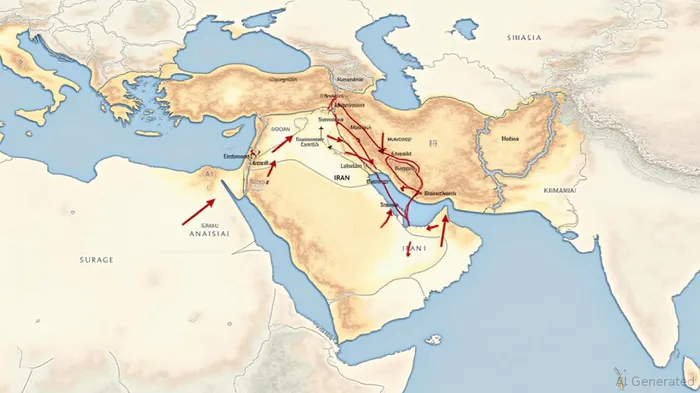
The Unusual Safe-Haven Divergence
The June 13 Israeli strikes on Iranian nuclear sites and leadership targets initially sent the 10-year Treasury yield down to 4.334%, as investors flocked to safe assets. But by the afternoon, yields reversed course, climbing to 4.424%—a 6.7 basis-point jump—amid surging oil prices and inflation concerns. This pattern reflects a market more focused on economic fundamentals than geopolitical risks.
The chart shows a brief dip on June 13 followed by a sharp rebound, underscoring the struggle between fear of conflict and fear of inflation.
Why the Market Isn't Buying the Geopolitical Panic
- Market Complacency: Investors have grown accustomed to Middle East volatility. Unlike the 1990 Gulf War or 2020 oil price crash, this conflict hasn't disrupted oil supplies yet. The S&P 500's 1% decline on June 13 was modest compared to past crises, suggesting traders view this as a contained risk.
- Strong U.S. Economy: Unlike past recessions, the U.S. economy remains resilient. Even with high inflation, robust job growth and consumer sentiment (University of Michigan's index rose to 63.5 in June) limit panic.
- Fed's Inflation Hawks: The Federal Reserve's upcoming June 17–18 meeting looms large. With core inflation still above 4%, traders are pricing in a 4.25%–4.50% federal funds rate hold through year-end. This focus on policy over politics keeps yields elevated.
Competing Risks Distract from Geopolitics
While Iran-Israel tensions dominate headlines, markets are split between multiple narratives:
- Oil Price Volatility: Brent crude spiked to $77/barrel but retreated to $72 as traders bet on ample global supply.
- Global Growth Concerns: China's slowing economy and European energy crunches have investors worried about a synchronized slowdown.
- Fed Policy Uncertainty: Lower-than-expected CPI and PPI readings earlier in June had sparked hope of a rate cut by year-end. Israel's sustained military actions and Iran's drone attacks have now dampened that optimism.
The Tipping Point for Treasury Bulls
Persistent geopolitical instability could still reignite safe-haven demand—if the conflict escalates beyond current bounds. Key triggers to watch:
1. Strait of Hormuz Blockage: A full Iranian naval blockade here (through which 20% of global oil flows) would send oil prices to $80–$100/barrel, reigniting inflation fears and forcing the Fed to pause hikes.
2. Nuclear Talks Collapse: If Iran's retaliatory strikes derail diplomacy, investors may finally flee to Treasuries as a hedge against prolonged crisis.
3. Global Supply Chain Disruptions: Wider involvement of Iran-backed groups like Hezbollah or Houthi could destabilize regional trade routes, amplifying economic uncertainty.
Investment Strategy: Monitoring the Metrics
For Treasury investors, patience is key. Avoid overreacting to headlines—wait for concrete signs of escalation or inflation spillover. Key watchpoints:
- Conflict Intensity: Track the frequency of Iranian drone attacks, Israeli strikes, and casualties. A sustained two-week escalation could signal a turning point.
- Oil Price Thresholds: A sustained breach of $80/barrel would likely push 10-year yields below 4.2%, as inflation fears resurface.
- Fed Policy Signals: Monitor June's FOMC minutes and July CPI data for clues on whether the Fed will prioritize growth over inflation.
This chart would show the inverse relationship between market-based inflation metrics (e.g., breakeven rates) and Treasury yields, highlighting how rising inflation fears could eventually push yields lower.
Final Analysis
The Israel-Iran conflict is a geopolitical game-changer, but markets won't treat it as such until it disrupts the economic narrative. For now, Treasury bulls must stay on the sidelines—waiting for a catalyst that forces investors to choose between inflation fears and crisis hedging. Until then, the Fed's inflation hawkishness and market complacency will keep yields elevated. But when the tipping point comes, Treasury bonds could surge—offering a rare opportunity to lock in safety amid chaos.
Investment Advice:
- Hold Treasuries as a core portfolio hedge, but avoid overloading until oil prices hit $80 or inflation expectations spike.
- Short volatility: Consider inverse VIX ETFs (e.g., XIV) if markets remain calm.
- Monitor the Fed: A dovish surprise in July could create a buying window for Treasuries.
The next move in this geopolitical saga could redefine Treasury markets—investors must be ready to act when the lines of conflict cross into economic damage.

Stay ahead of the market.
Get curated U.S. market news, insights and key dates delivered to your inbox.


AInvest
PRO
AInvest
PRO



Comments
No comments yet