
Geopolitical Crossroads: How Israel's Syria Escalation Could Shake Energy Markets
 Aime Summary
The Middle East has long been the epicenter of global energy geopolitics, and recent Israeli military actions in Syria risk amplifying instability in a region already reeling from sanctions, proxy wars, and shifting alliances. As drone strikes and retaliatory threats dominate headlines, investors must parse how this dynamic could disrupt oil and gas supply chains, reshape energy prices, and create asymmetric opportunities in sectors ranging from defense contracting to renewable energy infrastructure.
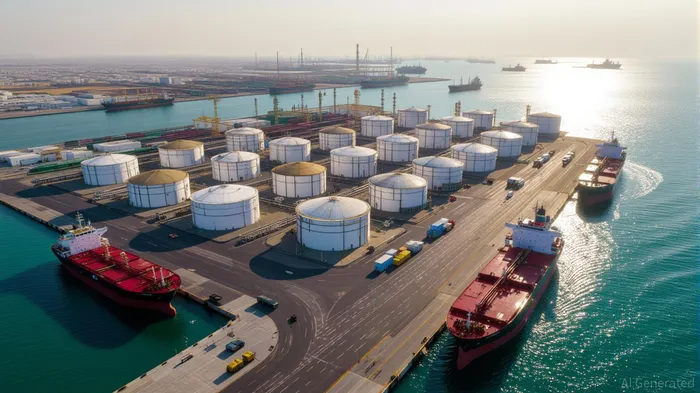
The Flashpoint: Syria, Iran, and Energy Infrastructure at Risk
Israel's July 2025 airstrikes on Syrian government military assets—including the Ministry of Defense and presidential facilities—were framed as a defense of the Druze minority. But analysts interpret these actions as part of a broader strategy to dismantle Iranian-backed infrastructure in southern Syria. The region's proximity to Jordan's oil fields and the Red Sea shipping routes underscores its strategic value.
Historically, Middle Eastern instability has sent shockwaves through oil markets. A repeat could occur if fighting spills into energy-rich areas or disrupts transit routes. For instance, Houthi attacks on Saudi and UAE oil facilities in 2023 caused temporary spikes in Brent crude prices. While Syria itself is not a major oil producer, cross-border violence could destabilize neighboring Jordan or Lebanon, both of which host critical pipelines and terminals.
Sector-Specific Risks and Opportunities
1. Energy Security Contractors: A Growth Catalyst
Heightened regional tensions favor firms specializing in energy infrastructure protection. Companies like Halliburton (HAL) and Bechtel Group, which provide cybersecurity for oil terminals and pipeline systems, could see surging demand. Additionally, private military contractors such as EAG Defense might secure contracts to safeguard energy assets in high-risk zones.
2. Red Sea Shipping and Insurance Costs
Over 10% of global oil shipments transit the Red Sea annually. If Houthi attacks or broader conflict disrupts this route, insurers like Chubb Limited (CB) and XL Catlin could raise premiums for maritime coverage, benefiting firms with robust risk-assessment capabilities.
3. Geopolitical Hedge: Gold and Defensive Sectors
Investors seeking insulation from oil price volatility might turn to gold ETFs (e.g., GLD) or utilities stocks (e.g., NextEra Energy (NEE)), which often outperform during geopolitical crises.
The Diversification Play: Shifting Energy Supply Chains
The U.S. and Gulf states are accelerating efforts to reduce reliance on conflict-prone energy corridors. This could boost investments in:
- LNG infrastructure: U.S. firms like Cheniere Energy (LNG) are positioned to capitalize on LNG exports to Asia and Europe.
- Renewables in the GCC: The UAE's Masdar and Saudi Acwa Power are expanding solar and wind projects, supported by $500B in regional green energy pledges.
- Cybersecurity for Energy Grids: Firms like Palo Alto Networks (PANW) and CrowdStrike (CRWD) may see demand for grid protection systems.
Key Risks to Monitor
- Supply Chain Disruptions: A full-scale Iran-Israel conflict could block the Strait of Hormuz, a chokepoint for 20% of global oil trade.
- Hezbollah's Resilience: Despite its weakened state, Hezbollah retains asymmetric capabilities. Retaliatory strikes on Israeli infrastructure could trigger retaliatory oil market moves.
- U.S. Policy Shifts: Sanctions on Iran's energy sector (e.g., targeting its oil exports) could backfire, pushing Tehran to sabotage regional production.
Investment Thesis: Position for Volatility, Bet on Resilience
The current landscape favors a barbell strategy:
- Defensive plays: Allocate to energy security firms (HAL, PANW), gold (GLD), and utilities (NEE).
- Offensive bets: Invest in LNG exporters (LNG) and Gulf renewables (Masdar, Acwa Power) as diversification beneficiaries.
Avoid overexposure to pure-play Middle Eastern energy stocks (e.g., Saudi Aramco (2222.SE)) unless hedged against geopolitical tail risks.
Conclusion
Israel's military actions in Syria are not just a tactical maneuver—they're a geopolitical stress test for energy markets. While the immediate risks to oil supply remain manageable, prolonged instability could redefine investment landscapes. For investors, the key is to blend caution with opportunism, backing firms that thrive in volatility and benefit from the region's inexorable shift toward energy resilience.
Stay vigilant, and position for the next chapter of Middle East energy geopolitics.

Stay ahead of the market.
Get curated U.S. market news, insights and key dates delivered to your inbox.
AInvest
PRO
AInvest
PRO



Comments
No comments yet