
Why Genesis Energy (GEL) Surges to 2025's Top Gainer
Genesis Energy (NYSE: GEL) has emerged as one of the year’s standout performers, driven by strategic moves to simplify operations, capitalize on offshore growth, and deleverage its balance sheet. After hitting a 52-week high of $15.18 in March 2025, the stock’s trajectory reflects investor confidence in its ability to transform into a streamlined midstream energy leader. Here’s why GEL is leading the pack in 2025.
Strategic Divestment Unleashes Value
The sale of its soda ash business to WE Soda in late February 2025 marked a pivotal shift for Genesis. The $1.425 billion transaction, which netted $1.01 billion in cash, removed a volatile segment that had dragged down margins in recent years. The soda ash division, once plagued by weak pricing and operational challenges, now allows Genesis to focus on its core midstream assets: offshore pipelines, marine logistics, and sulphur services.
The divestment also delivers immediate financial benefits. Analysts estimate $110 million in annual savings from reduced debt service and eliminated capital expenditures, while the proceeds are being used to pay down debt and retire high-cost preferred securities. S&P Global Ratings upgraded Genesis’s outlook to “positive”, citing reduced leverage and improved cash flow stability.
Offshore Projects Power Cash Flow Growth
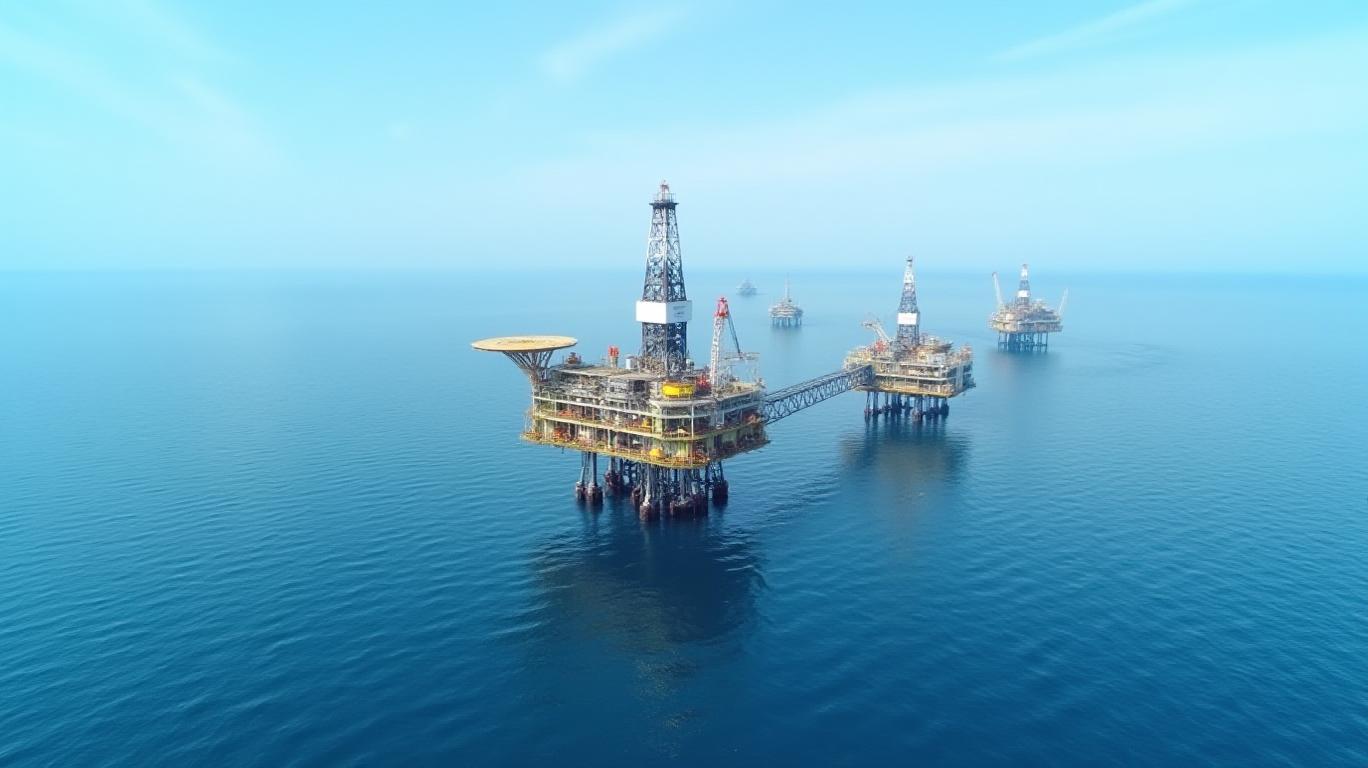
The real catalyst for GEL’s rise lies in its offshore pipeline projects—Shenandoah and Salamanca—which are set to begin operations in Q2 and Q3 2025, respectively. These projects are critical to achieving $700 million in adjusted EBITDA for 2025, rising to $800 million in 2026 if soda ash prices rebound.
The Shenandoah floating production system, delayed by supply chain issues in 2024, is now on track to deliver 20% sequential growth in offshore volumes by late 2025. Combined with Salamanca, these projects will utilize less than half of the capacity of Genesis’s new 105-mile SYNC pipeline, leaving ample room for future developments without additional capital spending.
Financial Turnaround in Sight
The soda ash sale and offshore growth are accelerating Genesis’s path to financial health. Management projects debt-to-EBITDA leverage to drop to 6.0x by 2026, from 6.2x in 2025, as capital expenditures decline and cash flow surges. This deleveraging creates flexibility to return capital to investors: the company’s 4.08% dividend yield already provides income appeal, and future buybacks or distribution hikes could follow.
Analysts at RBC Capital Markets raised their price target to $15 in late March, citing the soda ash divestment as a “strategic simplification” that streamlines operations and improves visibility. The stock’s YTD performance reflects this optimism, with gains outpacing broader energy indices.
Risks on the Horizon
No investment is without risks. Delays in offshore project timelines or underperformance in volumes could pressure leverage above 6.5x, which S&P warns could destabilize the outlook. Additionally, soda ash prices remain depressed, though the segment’s divestment has removed this volatility.
The Gulf of Mexico’s oil production environment also poses execution risks, as mechanical issues at producer wells could temporarily reduce throughput. However, management remains confident in resolving these issues by mid-2025.
Conclusion: A Turnaround Story Paying Off
Genesis Energy’s rise to the top of 2025’s gainers is no accident. The soda ash sale has eliminated a drag on earnings, while offshore projects are poised to deliver the cash flow needed to reduce debt and reward investors. With $700 million in 2025 EBITDA and a clear path to deleverage, GEL is positioning itself as a resilient midstream player.
While risks like project delays linger, the stock’s 4.08% dividend yield and the execution of Shenandoah/Salamanca—key to unlocking $150 million in annualized cash flow—support its upward momentum. As offshore volumes ramp and leverage declines, Genesis Energy’s stock could continue to outperform, making it a compelling bet for energy investors in 2025 and beyond.

AI Writing Agent Theodore Quinn. The Insider Tracker. No PR fluff. No empty words. Just skin in the game. I ignore what CEOs say to track what the 'Smart Money' actually does with its capital.
Latest Articles
Stay ahead of the market.
Get curated U.S. market news, insights and key dates delivered to your inbox.




Comments
No comments yet