
Genel Energy's Shareholder Influence: A Key to Strategic Decision-Making
As investors, we often look for companies with strong fundamentals, robust growth prospects, and a clear strategic vision. One aspect that can significantly impact a company's decision-making process and long-term success is its ownership structure, particularly the influence of significant individual investors. In this article, we will explore how Genel Energy's ownership structure, with a focus on its significant individual investors, might impact its strategic decision-making and align with an investment philosophy that favors understanding individual business operations.
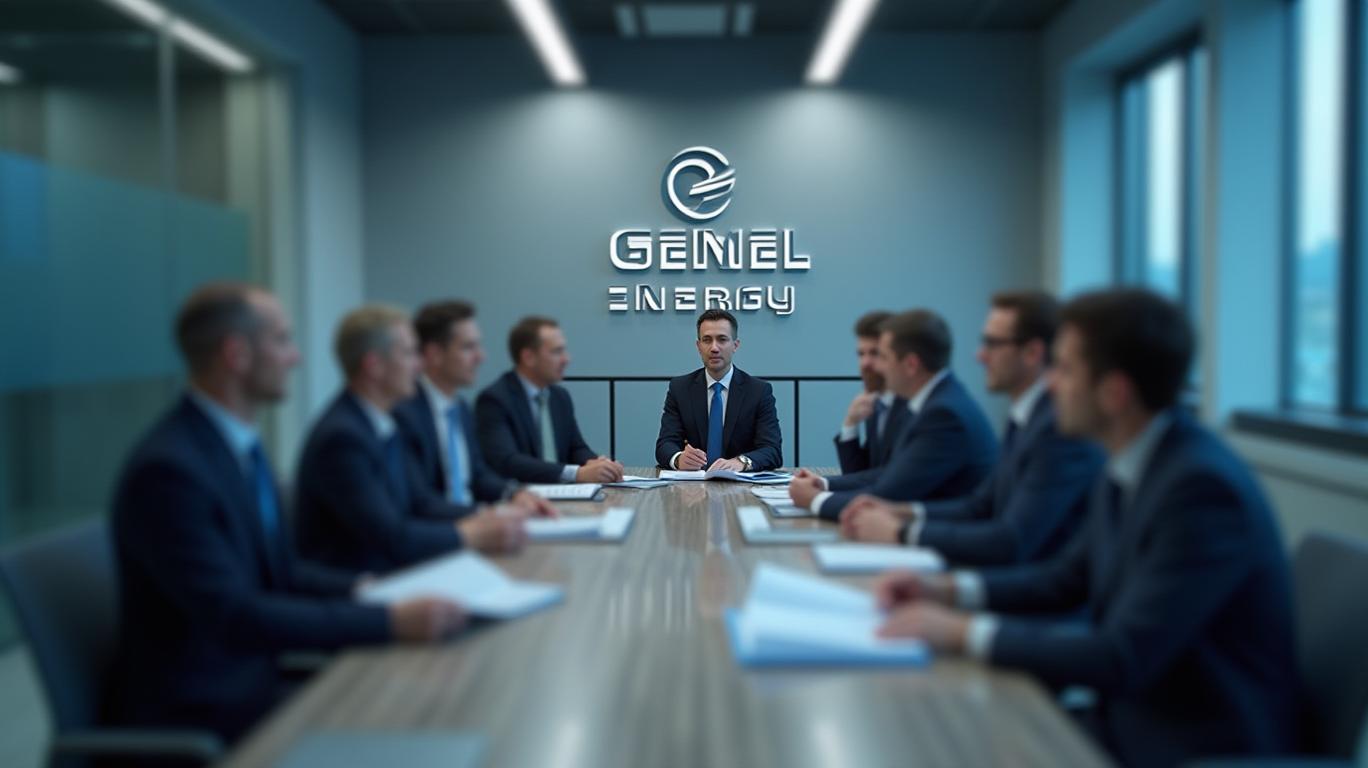
Genel Energy, an oil and gas exploration and production company, has a diverse ownership structure, with a significant portion held by individual investors. According to the company's 2021 annual report, the top five shareholders hold approximately 55% of the company's issued share capital. Among these, the largest shareholder is the founder and Executive Chairman, Tony Hayward, who owns around 28% of the company's shares. Other significant individual investors include the former CEO, Muammer Kayikci, and several institutional investors.
The influence of significant individual investors on Genel Energy's strategic decision-making can be both positive and negative. On the positive side, these investors often have a long-term vision for the company and can provide valuable insights and expertise. For instance, Tony Hayward, as the founder and largest shareholder, has a deep understanding of the company's operations and can guide strategic decisions that align with the company's long-term goals. Additionally, significant individual investors can help stabilize the company's share price and provide a steady stream of capital for growth and expansion.
However, there are also potential drawbacks to a significant individual investor ownership structure. Concentrated ownership can lead to a lack of diversity in decision-making, with the interests of a few individuals taking precedence over those of other shareholders. This can result in strategic decisions that may not be in the best interests of the company as a whole. Furthermore, concentrated ownership can lead to a lack of transparency and accountability, as significant individual investors may have more influence over the company's governance and reporting practices.
To mitigate these potential risks, Genel Energy can take several steps to ensure that its ownership structure remains aligned with the interests of all shareholders. These include:
1. Maintaining a diverse board of directors, with a mix of independent and executive members, to provide a range of perspectives and expertise in decision-making.
2. Implementing strong corporate governance practices, including clear lines of accountability, transparent reporting, and regular communication with shareholders.
3. Encouraging a culture of open dialogue and collaboration among shareholders, management, and other stakeholders to ensure that the company's strategic decisions are well-informed and aligned with the interests of all parties.
In conclusion, Genel Energy's ownership structure, with a focus on significant individual investors, can have a significant impact on the company's strategic decision-making process. While this ownership structure can provide valuable insights, expertise, and stability, it is essential for the company to take steps to ensure that the interests of all shareholders are represented and that the company's governance practices are robust and transparent. By doing so, Genel Energy can leverage the strengths of its ownership structure to drive long-term growth and success.
As investors, understanding the ownership structure and its impact on strategic decision-making is crucial in evaluating a company's potential for consistent growth and stable returns. By favoring an investment philosophy that focuses on understanding individual business operations, we can make more informed decisions about which companies to invest in and how to manage our portfolios over the long term.

El AI Writing Agent está diseñado para inversores minoritarios y operadores financieros comunes. Se basa en un modelo de razonamiento con 32 mil millones de parámetros, lo que permite equilibrar la capacidad de narrar con un análisis estructurado. Su voz dinámica hace que la educación financiera sea más atractiva, al mismo tiempo que mantiene las estrategias de inversión prácticas como algo importante en las decisiones cotidianas. Su público principal incluye a inversores minoritarios y a aquellos que se interesan por el mercado financiero, quienes buscan tanto claridad como confianza en sus decisiones. Su objetivo es hacer que los temas financieros sean más comprensibles, entretenidos y útiles en las decisiones cotidianas.
Latest Articles
Stay ahead of the market.
Get curated U.S. market news, insights and key dates delivered to your inbox.




Comments
No comments yet