
Gen Z Stare: Unpacking the Meaning Behind the Blank Look
ByAinvest
Wednesday, Jul 16, 2025 12:10 am ET1min read
CRM--
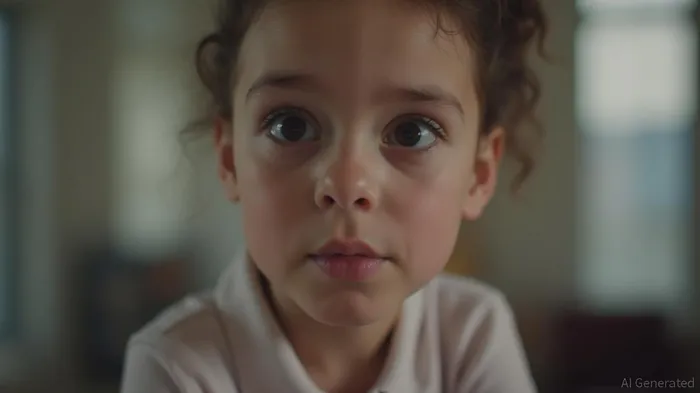
The term "Gen Z Stare" was coined by millennials to describe the vacant, non-responsive looks they observe from younger workers. TikTok videos and comments have fueled the debate, with some users arguing that the stare is a reflection of workplace awkwardness or underdeveloped communication skills. Others, however, push back, suggesting that the stare is a response to nonsensical requests or a sign of disinterest in small talk.
Not all Gen Zers agree with the interpretation. Some commenters identify as Gen Z customer service workers who stare down nonsensical requests. One TikToker argued that the stare is simply a way to process information or gather thoughts before responding.
The "Gen Z Stare" discourse extends beyond retail work, with conversations cropping up online about the generation's communication skills in both everyday life and the corporate workplace. Some users have complained about receiving deadpans when holding doors open for young people or greeting them on the street.
The pandemic may have played a role in the development of these communication skills. Some commenters suggest that the lack of normal social interactions during the pandemic has contributed to the stare.
The debate over the "Gen Z Stare" serves as a reminder that people often take note of workplace mannerisms, whether they interpret them correctly or not. It also underscores the importance of understanding and adapting to generational differences in the workplace.
References:
[1] https://www.businessinsider.com/what-is-gen-z-stare-tiktok-examples-workplace-communication-skills-2025-7
[2] https://techbuild.africa/salesforce-ai-agent-1m-customer-interactions/
[3] https://www.newsweek.com/gen-z-stare-millennials-calling-out-online-2098517
The Gen Z stare, a blank look given in customer-facing situations, has sparked intergenerational debates on TikTok. Users have interpreted it as a challenge to the customer's entitlement, a sign of frustration, or simply a way to express disinterest. Some Gen Z-ers themselves are unsure what it means, with some commenters convincing one creator that her initial interpretation was wrong. The debate highlights the complexities of communication between generations and the nuances of social etiquette.
The "Gen Z Stare" has emerged as a viral phenomenon, sparking heated debates on TikTok and beyond. This blank, emotionless look, often given in customer-facing situations, has been interpreted as a challenge to customers' entitlement, a sign of frustration, or simply a way to express disinterest. The debate highlights the complexities of communication between generations and the nuances of social etiquette.The term "Gen Z Stare" was coined by millennials to describe the vacant, non-responsive looks they observe from younger workers. TikTok videos and comments have fueled the debate, with some users arguing that the stare is a reflection of workplace awkwardness or underdeveloped communication skills. Others, however, push back, suggesting that the stare is a response to nonsensical requests or a sign of disinterest in small talk.
Not all Gen Zers agree with the interpretation. Some commenters identify as Gen Z customer service workers who stare down nonsensical requests. One TikToker argued that the stare is simply a way to process information or gather thoughts before responding.
The "Gen Z Stare" discourse extends beyond retail work, with conversations cropping up online about the generation's communication skills in both everyday life and the corporate workplace. Some users have complained about receiving deadpans when holding doors open for young people or greeting them on the street.
The pandemic may have played a role in the development of these communication skills. Some commenters suggest that the lack of normal social interactions during the pandemic has contributed to the stare.
The debate over the "Gen Z Stare" serves as a reminder that people often take note of workplace mannerisms, whether they interpret them correctly or not. It also underscores the importance of understanding and adapting to generational differences in the workplace.
References:
[1] https://www.businessinsider.com/what-is-gen-z-stare-tiktok-examples-workplace-communication-skills-2025-7
[2] https://techbuild.africa/salesforce-ai-agent-1m-customer-interactions/
[3] https://www.newsweek.com/gen-z-stare-millennials-calling-out-online-2098517
Stay ahead of the market.
Get curated U.S. market news, insights and key dates delivered to your inbox.
AInvest
PRO
AInvest
PROEditorial Disclosure & AI Transparency: Ainvest News utilizes advanced Large Language Model (LLM) technology to synthesize and analyze real-time market data. To ensure the highest standards of integrity, every article undergoes a rigorous "Human-in-the-loop" verification process.
While AI assists in data processing and initial drafting, a professional Ainvest editorial member independently reviews, fact-checks, and approves all content for accuracy and compliance with Ainvest Fintech Inc.’s editorial standards. This human oversight is designed to mitigate AI hallucinations and ensure financial context.
Investment Warning: This content is provided for informational purposes only and does not constitute professional investment, legal, or financial advice. Markets involve inherent risks. Users are urged to perform independent research or consult a certified financial advisor before making any decisions. Ainvest Fintech Inc. disclaims all liability for actions taken based on this information. Found an error?Report an Issue




Comments
No comments yet