
Gen Z Stare Reflects Workplace Communication Shift, Costs Companies
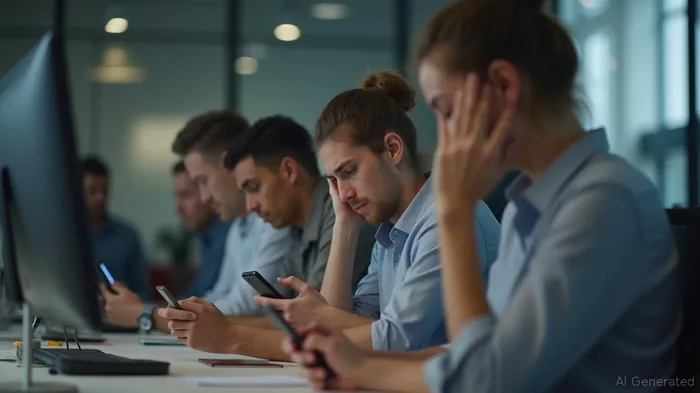
The "Gen Z stare" has emerged as a significant trend on social media platforms like TikTok, where it is characterized by a vacant, unresponsive gaze often replacing traditional greetings or small talk in service roles. This trend has sparked debates about workplace culture, generational divides, and the future of soft skills. Older generations have taken to social media to share stories of being met with this stare by young workers, interpreting it as a sign of disengagement or a lack of soft skills. In contrast, Gen Zers argue that the stare is a reaction to awkward or nonsensical customer interactions, or simply a preference for authenticity over forced pleasantries.
Managers and older colleagues report that the Gen Z stare reflects a broader challenge with face-to-face communication and soft skills, which are critical in customer-facing roles. This has led to misunderstandings, perceived rudeness, and, in some cases, customer dissatisfaction. Companies are investing more in soft skills training for Gen Z employees, increasing onboarding costs and time-to-productivity. Some managers report higher stress and even consider leaving their roles due to the challenges of managing Gen Z workers. The Gen Z stare has become a symbol of generational friction, with half of managers saying younger workers cause tension among other age groups. This can impact team cohesion, collaboration, and overall workplace morale. Even many Gen Z managers say that their own generation is the most difficult to manage.
In retail and hospitality, the quality of interpersonal interactions can directly affect repeat business. If customers perceive Gen Z workers as disengaged or unapproachable, it can erode brand loyalty and reduce sales, especially in sectors where service is a key differentiator. On the flip side, Gen Z’s preference for authenticity and efficiency can resonate with younger consumers, who may value straightforward, no-frills service over traditional small talk. Brands that adapt to these new norms can strengthen their appeal to the next generation of spenders.
The Gen Z stare is just one facet of a larger generational shift. Gen Z now makes up nearly 30% of the workforce and wields over $1 trillion in spending power. Their digital-first habits, preference for authenticity, and skepticism of traditional workplace norms are forcing companies to rethink everything from training to customer engagement. While the stare may frustrate some, it also signals a move toward a more direct, less performative style of interaction—one that could ultimately reshape service industries and workplace culture for years to come.
At the same time, Gen Z reports elevated levels of anxiety about their future career prospects, both in the short, medium and long term. In the near future, they face a labor market where the “safety premium” of a college degree has nearly disappeared and where big tech firms have pulled massively back on hiring recent graduates as they turn to AI and automation. About 58% of recent graduates are still looking for full-time work, a major contrast from the 25% standard for millennials and Gen Xers. They are three times less likely to have work lined up after they graduate. The number of entry-level jobs is already shrinking.
In the medium and long term, they see a landscape where the workforce will be massively transformed, if not obsolete. It’s the most competitive environment in recent memory, and a habit of blank staring, whether it’s less performative or some variation of passive aggressive, is a major obstacle. The economic impact of the Gen Z stare extends far beyond a viral meme. It highlights the costs and opportunities of generational change: higher training and adaptation expenses, shifting consumer expectations, and the need for new management strategies. For businesses, understanding and bridging these gaps will be essential to harnessing the full potential of Gen Z in the workplace and the marketplace.

Stay ahead of the market.
Get curated U.S. market news, insights and key dates delivered to your inbox.


AInvest
PRO
AInvest
PRO



Comments
No comments yet