
Gen Z's Financial Revolution: How a New Generation is Reshaping Retirement and Savings Trends


 Aime Summary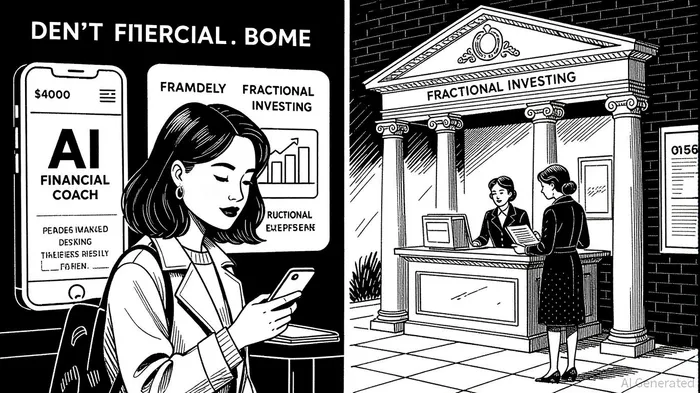
The financial landscape is undergoing a seismic shift, driven by a generation that has never known a world without smartphones, , or social media. Gen Z—those born between 1996 and 2012—is redefining retirement and savings behaviors with a blend of technological fluency, , and a hunger for . By 2025, . For asset managers and fintech innovators, the challenge is clear: adapt to Gen Z's preferences or risk obsolescence.
The Gen Z Financial Blueprint: Tech-Driven, Community-Focused, and Hyper-Personalized
Gen Z's approach to finance is rooted in three pillars: digital-first tools, social integration, and alternative investments. Unlike previous generations, they prioritize mobile apps over physical branches, AI-powered guidance over in-person advisors, and fractional investing over traditional index funds.
- Mobile-First and AI-Driven Platforms
Gen Z's financial tools are designed for speed and simplicity. Neobanks like Step Cleo , , and . Cleo's “Roast Mode,” which delivers humorous spending alerts, exemplifies how Gen Z values both functionality and emotional engagement. Traditional models, reliant on clunky websites and annual statements, struggle to compete.
Community and Social Accountability
Gen Z's financial behavior is deeply social. Apps like and integrate shared savings goals and peer accountability, fostering collective financial growth. Mastercard's service, which uses AI agents to manage purchases based on user preferences, further underscores the shift toward collaborative, . Traditional retirement plans, which lack social features, feel isolating to a generation that thrives on connection.Alternative Investments and Risk Appetite
While older generations favor low-risk, long-term index funds, Gen Z is drawn to , , and . By 2025, , . Platforms like and have capitalized on this trend, offering bite-sized investment options that align with Gen Z's desire for flexibility and experimentation.
The Traditional Model: Outdated, Inflexible, and Losing Ground
Legacy institutions are struggling to keep pace. Traditional 401(k)s, with their high fees, complex interfaces, and lack of real-time feedback, feel archaic to a generation accustomed to instant gratification. A 2025 study by . This gap highlights a critical opportunity: Gen Z wants to save, but traditional tools fail to meet their expectations.
Actionable Opportunities for Asset Managers and Fintechs
To capture Gen Z's loyalty, institutions must rethink their strategies. Here's how:
Embrace AI and Gamification
Asset managers should integrate AI-driven tools that offer real-time insights, personalized recommendations, and interactive learning modules. For example, CIBC's Mastercard credit card uses AI to analyze spending patterns and optimize rewards, a model that could be extended to retirement accounts. Gamification APIs, like those from , can turn savings into a habit by rewarding milestones.Build Community-Driven Features
Fintechs must prioritize social integration. Features like shared savings goals, peer-to-peer investment clubs, and in-app communities can foster engagement. Mastercard's Minna Technologies already allows users to manage subscriptions dynamically; applying this flexibility to retirement accounts could attract Gen Z's desire for control.Democratize Access to Alternative Assets
Gen Z's appetite for risk demands access to , , and . Platforms like and (which tracks sustainable spending) are early adopters. Traditional asset managers should partner with fintechs to offer low-cost, fractional access to these assets.Leverage Social Media for Financial Education
Gen Z consumes financial advice on TikTok, , and . Institutions must create bite-sized, educational content—think “How to Build a Roth IRA in 60 Seconds” or “Crypto 101 for New Investors.” Collaborations with “finfluencers” can bridge trust gaps between Gen Z and traditional brands.
The Investment Outlook: Where to Allocate Capital
For investors, the key is to back platforms that align with Gen Z's values. Step and have demonstrated exponential growth, while Mastercard and Robinhood are adapting to Gen Z's preferences. However, risks remain: regulatory scrutiny of crypto and BNPL services could disrupt momentum. A diversified portfolio might include:
- Fintechs with strong Gen Z engagement (e.g., Step, Cleo).
- Traditional banks pivoting to digital-first models (e.g., Chime, N26).
- (e.g., ).
Conclusion: The Future of Finance is Gen Z-Centric
Gen Z is not just a demographic—it's a force reshaping the financial industry. Their demand for speed, personalization, and community-driven solutions is forcing institutions to innovate or fade into irrelevance. For asset managers and fintechs, the path forward is clear: build tools that mirror Gen Z's digital habits, democratize access to alternative assets, and foster financial literacy through social media. Those that succeed will not only capture this generation's wealth but also redefine what it means to save, invest, and retire in the 21st century.
The revolution is here. The question is, are you ready to adapt?

Ofrecer información y análisis de primera mano acerca de las tendencias financieras emergentes y los movimientos de mercado.
Latest Articles
Stay ahead of the market.
Get curated U.S. market news, insights and key dates delivered to your inbox.
AInvest
PRO
AInvest
PRO



Comments
No comments yet