
Gen Z's Climate Revolution: How a Generation is Redefining Environmental Activism
The 2025 Earth Day marked a pivotal moment in the climate movement, driven not by governments or corporations but by Gen Z—a generation demanding systemic change through unprecedented levels of activism, policy advocacy, and digital mobilization.
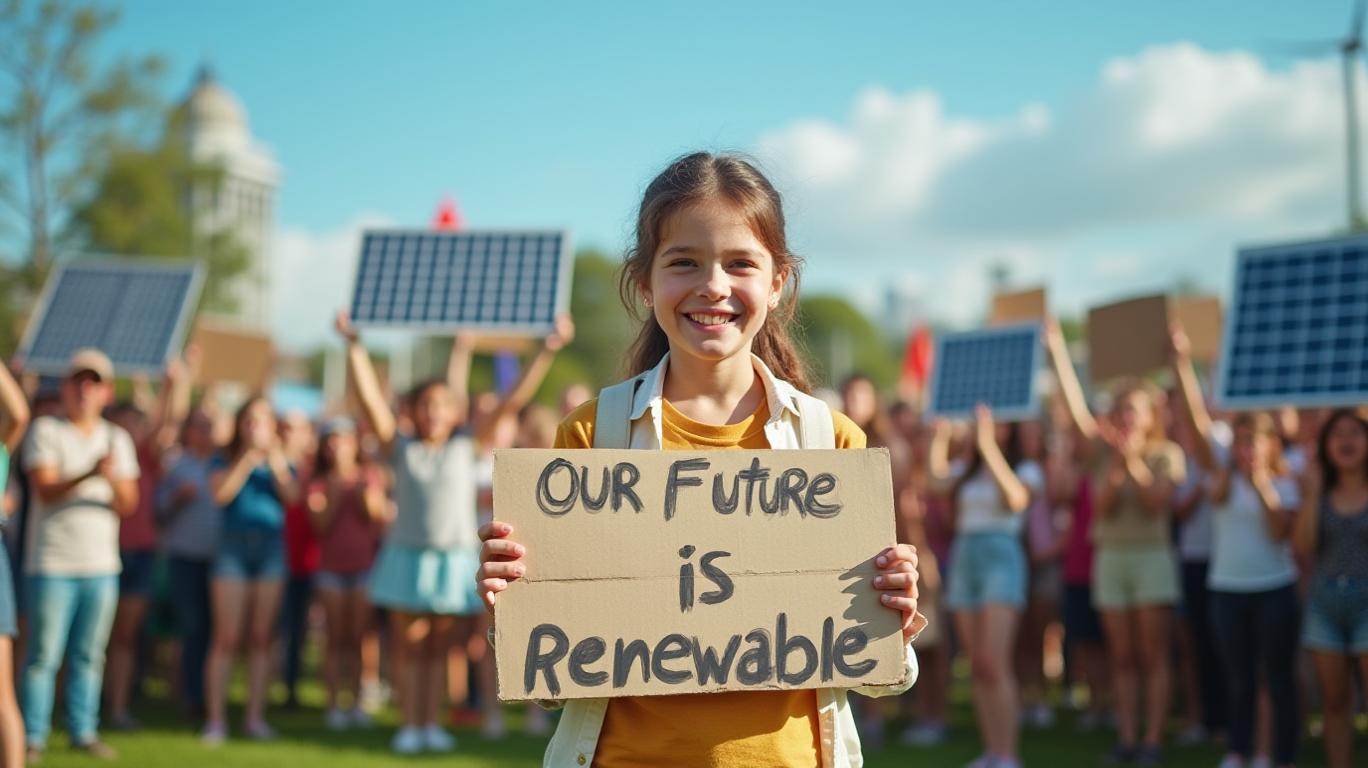
The Earth Day Catalyst
On April 22, 2025, Earth Day became a flashpoint for Gen Z’s climate agenda. With 56% of Gen Z respondents willing to shift to plant-based diets to reduce emissions (Physicians Committee for Responsible Medicine), their actions extended beyond symbolism. The day saw record turnout at global climate strikes, including a 32% increase in Gen Z participants compared to 2024 (Pew Research). Activists targeted industries like fossilFOSL-- fuels and fast fashion, leveraging social media to amplify their demands.
Policy Demands Meet Practical Barriers
Gen Z’s influence isn’t confined to streets—it’s reshaping policy. A 2025 Pew study revealed that 56% of Gen Zers support banning new gasoline vehicles by 2035, nearly double the opposition from older generations. Similarly, 43% back a full phaseout of fossil fuels, versus 25% of Baby Boomers. These preferences align with $2.3 trillion in renewable energy investments globally by 2030 (International Energy Agency), signaling a market shift toward green tech.
Yet barriers persist. While 93% of Gen Z view climate action as critical (Oliver Wyman Forum), only 20% minimize waste due to cost barriers. Sustainable products often carry premium pricing, and misinformation persists: 16% incorrectly believe tofu emits more CO₂ than beef (Physicians Committee survey). These gaps highlight the need for systemic solutions, not just individual choices.
The Digital Mobilization
Gen Z’s power lies in its digital-native activism. Social media platforms like TikTok and Instagram are hubs for climate discourse, with 69% of Gen Z users reporting anxiety after climate content—a stark contrast to 41% of Baby Boomers. This anxiety fuels action: 32% have contacted officials, donated, or volunteered in the past year (Pew).
Take "plalking"—a trend where users pick up litter while walking—now a global phenomenon with #Plalk tagged over 2 million times on Instagram. Similarly, "cold showers" and "zero-waste swaps" have gone viral, demonstrating Gen Z’s focus on scalable, everyday solutions.
Conclusion: The Generational Pivot
Gen Z’s climate activism is a clarion call for businesses and policymakers. While their demands for fossil fuel bans and green policies may strain traditional industries, they also present opportunities. Companies prioritizing sustainability—like Beyond Meat (BYND), up 40% in 2025—are capturing Gen Z’s loyalty. Meanwhile, governments ignoring this cohort risk backlash: 71% of all Americans now favor renewables over fossil fuels (Pew), a shift driven by Gen Z’s vocal advocacy.
The takeaway is clear: climate action is no longer optional. As Gen Z transitions into economic powerhouses, their values will reshape markets—from food to energy to fashion. The question isn’t whether to adapt, but how quickly.
The Earth Day 2025 surge underscores a generational truth: this is not a protest—it’s a revolution. And the world must listen.

Stay ahead of the market.
Get curated U.S. market news, insights and key dates delivered to your inbox.






Comments
No comments yet