
Gemini's XRP Mastercard and the Crypto Retail Revolution


 Aime Summary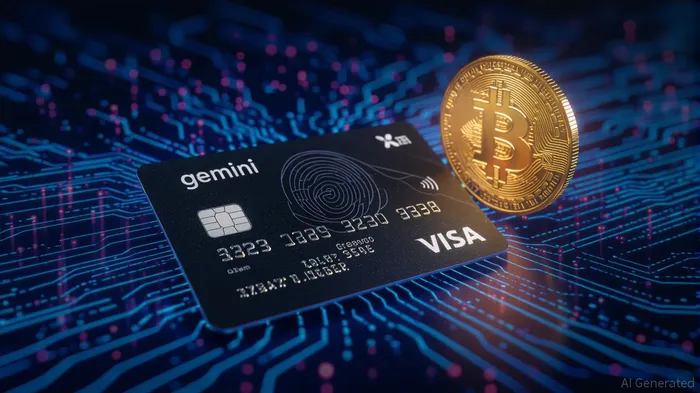
The U.S. crypto exchange sector is undergoing a seismic shift, driven by innovative product design and strategic alliances that are redefining user adoption. At the forefront of this revolution is Gemini's XRPXRP-- MastercardMA--, a limited-edition offering that marries the utility of XRP with the ubiquity of traditional payment systems. Launched in collaboration with Ripple and Mastercard, this card is not just a financial tool but a strategic lever for bridging the gap between fiat and crypto ecosystems. For investors, the implications are clear: Gemini's approach is reshaping the competitive landscape, challenging incumbents like CoinbaseCOIN--, and accelerating mainstream adoption.
Product Design: A Masterclass in User-Centric Innovation
Gemini's XRP Mastercard is a testament to the power of aligning incentives with user behavior. By offering tiered rewards in XRP—4% on gas, EV charging, and rideshares; 3% on dining; and 2% on groceries—it taps into the daily spending habits of millions. These rewards are delivered instantly to Gemini Exchange accounts, where users can hold, trade, or cash out without friction. The card's no-annual-fee model, zero foreign transaction costs, and elimination of exchange fees for crypto rewards further amplify its appeal.
The design itself is a strategic differentiator. Crafted from recycled materials and available in black, silver, and rose gold, the card appeals to eco-conscious consumers while leveraging the allure of physical collectibles. The absence of a visible card number, accessible only via the Gemini app, underscores a commitment to security—a critical concern in the crypto space.
Strategic Partnerships: Ripple's Ecosystem as a Catalyst
Gemini's collaboration with Ripple extends beyond the XRP Mastercard. The integration of Ripple USD (RLUSD), a U.S. Treasury-backed stablecoin, into Gemini's trading platform is a masterstroke. By allowing users to trade RLUSD against any asset on the platform, Gemini eliminates the need for multi-step conversions, reducing costs and complexity. RLUSD's $640 million market cap and top-six ranking among U.S. dollar stablecoins signal growing institutional trust in its collateral structure.
The $75 million investment from Ripple, coupled with a potential credit line, also positions Gemini to scale aggressively as it prepares for its anticipated IPO. This partnership is not merely financial; it's a strategic alignment with Ripple's global payment infrastructure, which includes institutional clients like abrdn and Société Générale–Forge. For investors, this means Gemini is leveraging Ripple's cross-border expertise to expand its utility beyond retail users.
Competitive Positioning: Disrupting Coinbase's Dominance
Coinbase, long the dominant player in U.S. crypto, faces a formidable challenger. While Coinbase's One Card offers 4% BitcoinBTC-- rewards and integrates with USDC-powered ShopifySHOP-- tools, Gemini's XRP Mastercard has captured retail attention with its high-impact incentives and no-fee structure. Sensor Tower data reveals Gemini's app surged from 117th to 16th in the finance category within weeks of the card's launch, while Coinbase's app dropped to 20th.
The XRP Army—a fervent community of Ripple supporters—has been instrumental in this shift. Historical data shows XRP rewards held for a year appreciated by 452.9%, turning $73,700 in rewards into $407,000 by 2025. This performance has attracted speculative retail investors, creating a flywheel effect: higher adoption drives XRP demand, which in turn boosts the card's perceived value.
Regulatory Agility and Institutional Credibility
Gemini's strategic relocation to Florida-based Moonbase, away from New York's restrictive BitLicense regime, has enhanced its regulatory agility. This move, combined with MiCA-compliant services in Malta and tokenized U.S. stocks, positions Gemini as a hybrid player with both retail and institutional appeal. In contrast, Coinbase's reliance on USDC—a stablecoin with a $227 billion market cap—exposes it to risks if the asset's dollar peg falters. Gemini's RLUSD, backed by U.S. treasuries, offers a more transparent collateral structure, attracting risk-averse users.
Investment Implications
For investors, Gemini's XRP Mastercard represents more than a product—it's a strategic pivot toward retail adoption and institutional credibility. The card's success hinges on three factors:
1. User Growth: With 90,000 downloads in 72 hours, the card has already proven its appeal. Sustained adoption will depend on maintaining high reward rates and expanding merchant partnerships.
2. XRP Utility: The token's role in cross-border payments and the XRP Ledger's scalability will determine its long-term value.
3. Regulatory Tailwinds: Gemini's Florida-based structure and MiCA compliance position it to navigate evolving U.S. and EU regulations more effectively than rivals.
However, risks remain. Crypto markets are volatile, and regulatory shifts could disrupt the sector. Investors should also monitor Gemini's financial health, given its $282.5 million net loss in the first half of 2025.
Conclusion: A New Era in Crypto Payments
Gemini's XRP Mastercard is a blueprint for the future of crypto retail. By combining user-centric design, strategic partnerships, and regulatory foresight, it's not just competing with Coinbase—it's redefining the rules of the game. For investors, the key takeaway is clear: the crypto retail revolution is here, and Gemini is leading the charge. Those who recognize the power of bridging fiat and crypto through innovative products may find themselves at the forefront of a transformative market shift.

Decoding blockchain innovations and market trends with clarity and precision.
Latest Articles
Stay ahead of the market.
Get curated U.S. market news, insights and key dates delivered to your inbox.
AInvest
PRO
AInvest
PRO



Comments
No comments yet