
GE Vernova: Powering the AI-Driven Energy Transition
The global energy sector is undergoing a fundamental shift, driven by surging demand for electricity to power artificial intelligence (AI) infrastructure, grid modernization, and renewable energy integration. At the forefront of this transformation is GE Vernova (NYSE: GEV), the energy division of General Electric, which has positioned itself as a leader in smart infrastructure and AI-enabled efficiency. With a UBS price target of $614—implying a 20% upside from recent levels—GEV is emerging as a compelling buy for investors betting on the energy transition. But is this stock a sustainable play, or a risky bet on overhyped trends?
Strategic Positioning in AI-Integrated Energy
GE Vernova's core strength lies in its Electrification segment, which includes grid solutions, power conversion, solar and storage systems, and software for smart infrastructure. This division has been a growth engine, with year-over-year revenue growth of 14% in Q1 2025, following 22% growth in Q3 2024 and 19% in Q2 2024. These gains reflect rising demand for grid modernization, as utilities worldwide grapple with aging infrastructure and the need to integrate renewables.
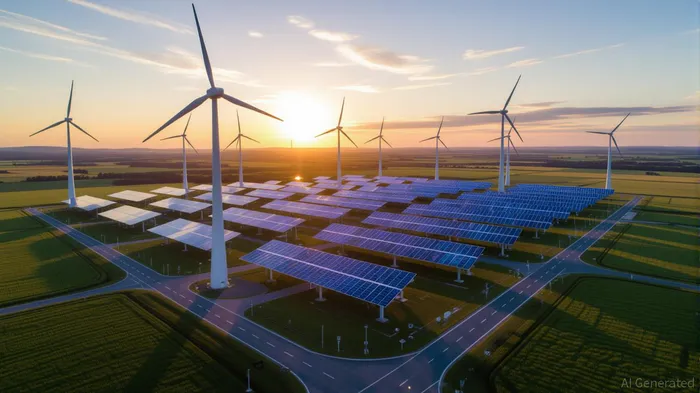
AI is central to this shift. GEV's software and hardware systems enable utilities to optimize energy distribution, predict equipment failures, and balance grids with intermittent renewable sources. For instance, its Grid Solutions platform uses machine learning to manage real-time electricity flows, reducing waste and enhancing reliability—a critical feature as data centers consuming massive power (like those supporting AI) proliferate.
UBS analysts highlight this AI-driven efficiency boom as a key growth catalyst. They project GEV's earnings could triple by 2030, fueled by a 4% annual rise in global electricity demand, accelerating in the latter half of the decade. This demand, UBSUBS-- argues, will be met by GEV's dominant 35% share of the global gas turbine market, a position it leverages to secure long-term contracts with utilities and industrial clients.
UBS's Bullish Case: Valuation and Catalysts
UBS's $614 price target is based on a 28x EV/EBITDA multiple, 70-80% higher than the broader industrials sector. While this premium may seem aggressive, the firm justifies it by citing GEV's margin expansion potential through pricing discipline, cost cuts, and a backlog of orders valued at $50 billion+. The stock's current valuation—P/E of 77x—is high, but UBS argues it's justified by the company's 70% projected compound earnings growth over five years, the highest in its coverage universe.
The upcoming July 23 earnings report is a near-term catalyst. Analysts expect EPS of $1.65 (up 132% YoY) and revenue of $8.77 billion (up 7%), which—if met—could push shares toward UBS's target. Longer-term, GEV's exploration of selling its Proficy software division (potentially fetching $1 billion) adds further upside, while its cash-rich balance sheet ($14 billion in liquidity) reduces refinancing risks.
Risks and Skepticism
Despite the bullish narrative, risks abound. The "Big Beautiful Bill", a U.S. law ending renewable energy subsidies earlier than expected, could dent GEV's wind business. However, its robust infrastructure segment—which accounts for 60% of revenue—is insulated from policy headwinds, providing a stabilizing force.
Market skepticism is another hurdle. While UBS's $614 target is the highest on Wall Street, the consensus price target is $456, and retail investors remain bearish. The stock's 56% YTD return has also raised valuation concerns, with some analysts arguing the rally has overshot fundamentals.
Investment Thesis: A Buy for Thematic Investors
GE Vernova is not a low-risk investment. Its success hinges on execution in a crowded energy infrastructure space—Siemens Energy and EatonETN-- Corp are formidable competitors—and regulatory risks. However, its AI-enabled solutions, gas turbine dominance, and high-margin Electrification segment create a moat in a sector primed for growth.
For investors willing to look beyond short-term volatility, GEVGEV-- offers exposure to two powerful trends: the AI-driven surge in electricity demand and the global push for grid modernization. UBS's $614 target, while aggressive, reflects a plausible scenario where GEV captures a meaningful share of a $1.5 trillion global energy infrastructure market.
Recommendation: Buy GEV for a thematic portfolio, with a focus on energy transition plays. While near-term risks exist, the company's strategic positioning and backlog suggest it's well-equipped to capitalize on long-term demand. Investors should monitor earnings on July 23 and geopolitical developments impacting energy policy.
In a world where every watt of energy counts, GE VernovaGEV-- is building the backbone of tomorrow's grid—one powered by AI and innovation.

Delivering real-time insights and analysis on emerging financial trends and market movements.
Latest Articles
Stay ahead of the market.
Get curated U.S. market news, insights and key dates delivered to your inbox.




Comments
No comments yet